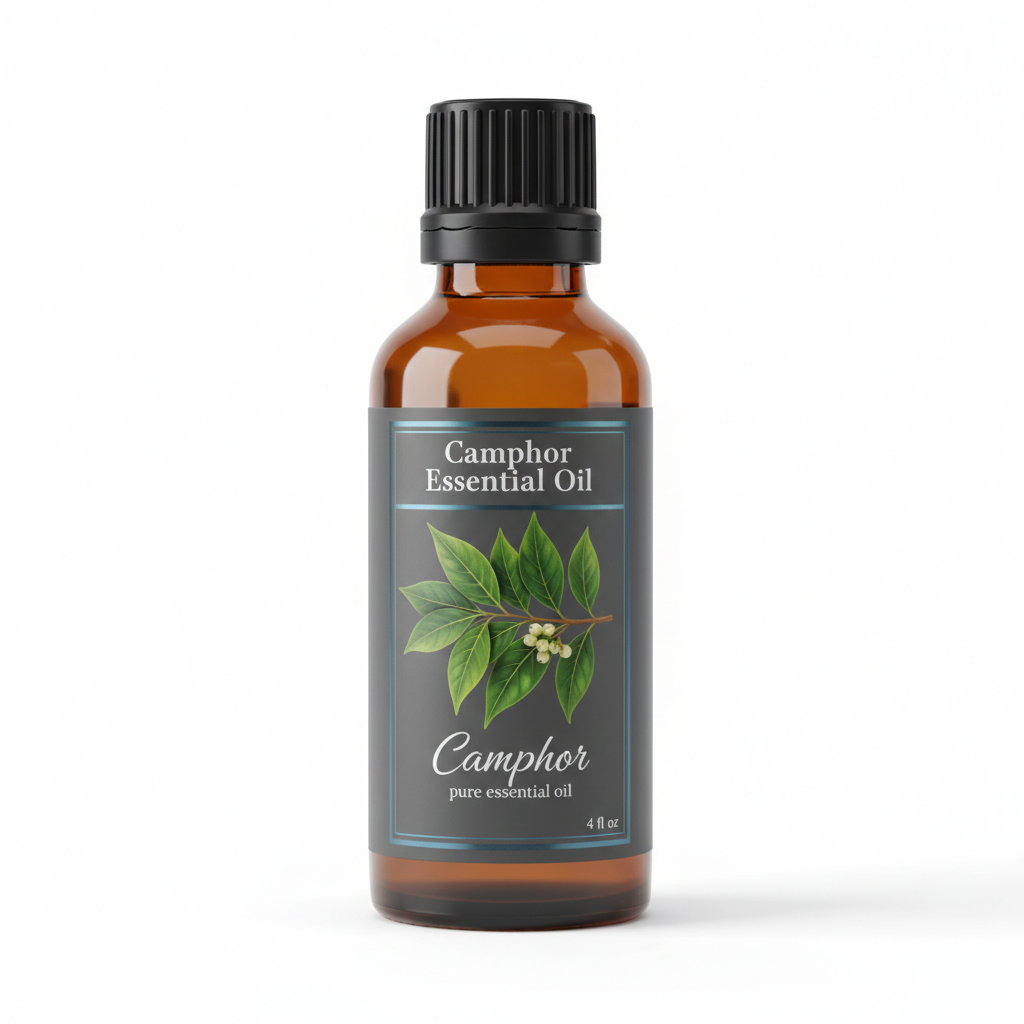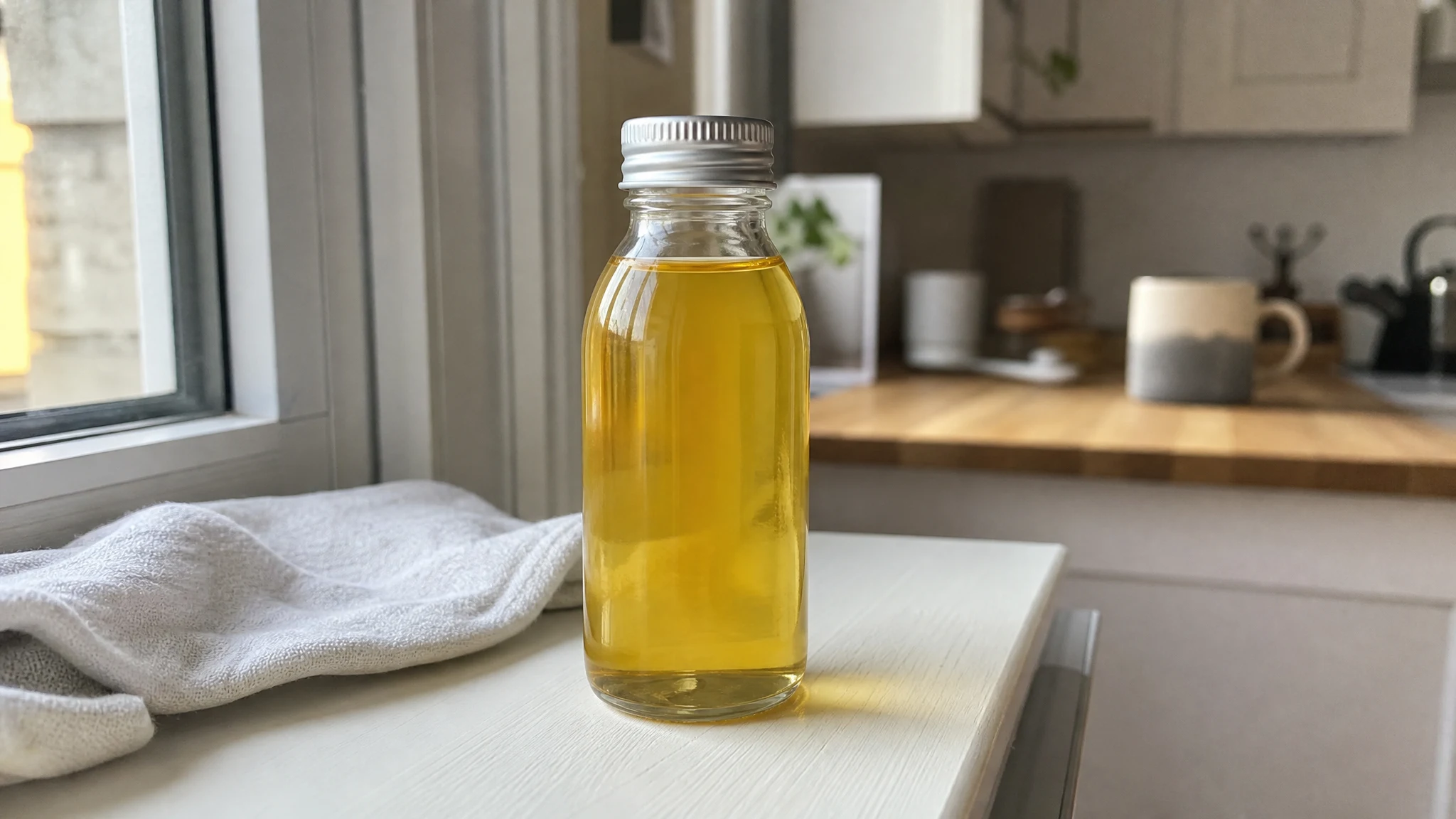
Is Your Old Camphor Oil Still Good? How to Tell
Camphor oil ages slowly, and the signs are subtle. Learn what oxidation changes, how crystals differ from spoilage, and when to retire a bottle.

Does Camphor Oil Stain? Getting It Out of Fabric
Camphor oil leaves a greasy mark like any oil. Here is how to blot, lift and wash it from cotton, when to call a cleaner, and how to avoid spills.
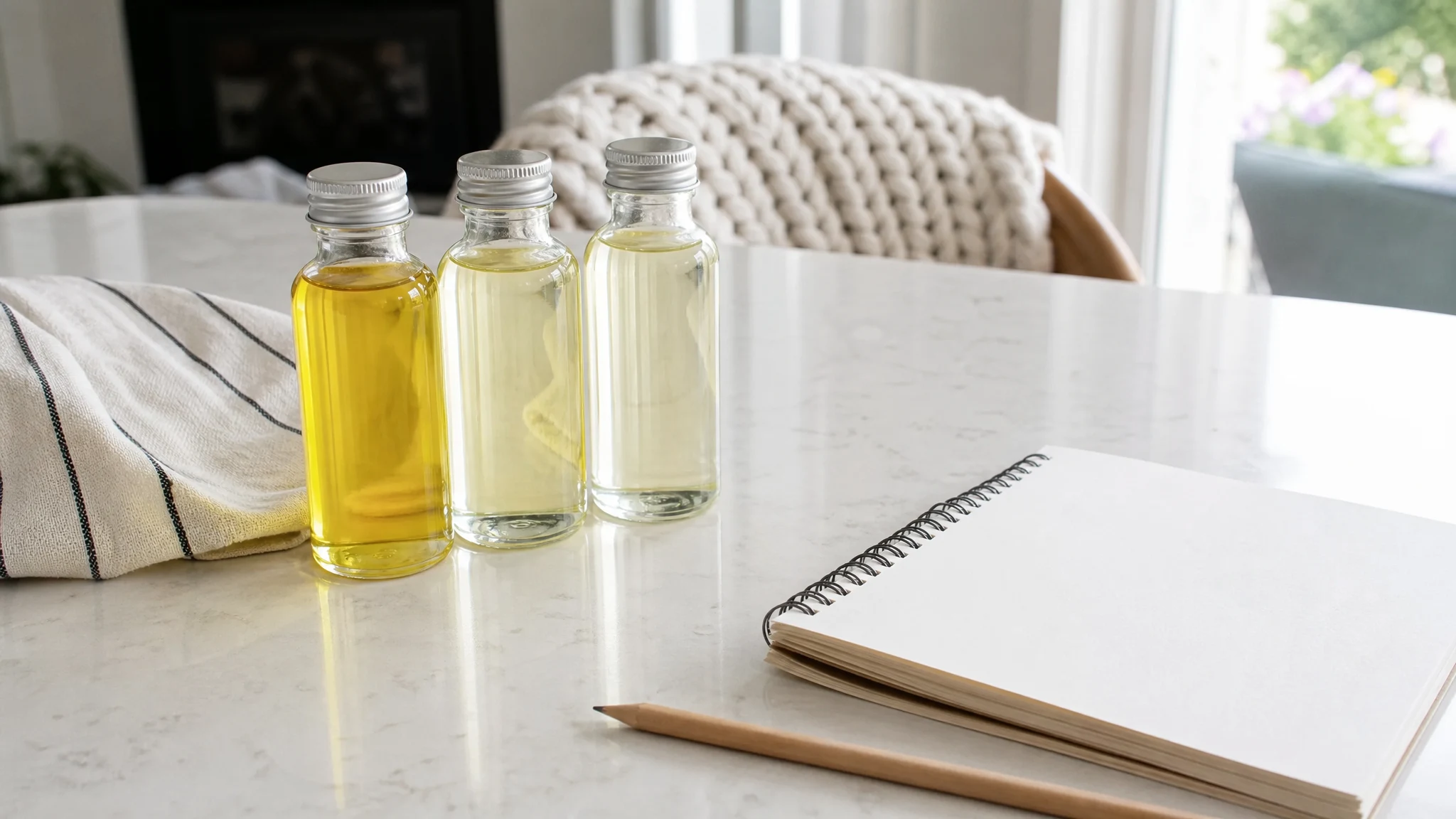
How to Blend Camphor Oil: Drops, Ratios and Mistakes
Camphor works in tiny amounts. Learn drops per milliliter, how 0.5% to 2% dilutions work out, how to blend by parts, and the mistakes to avoid.
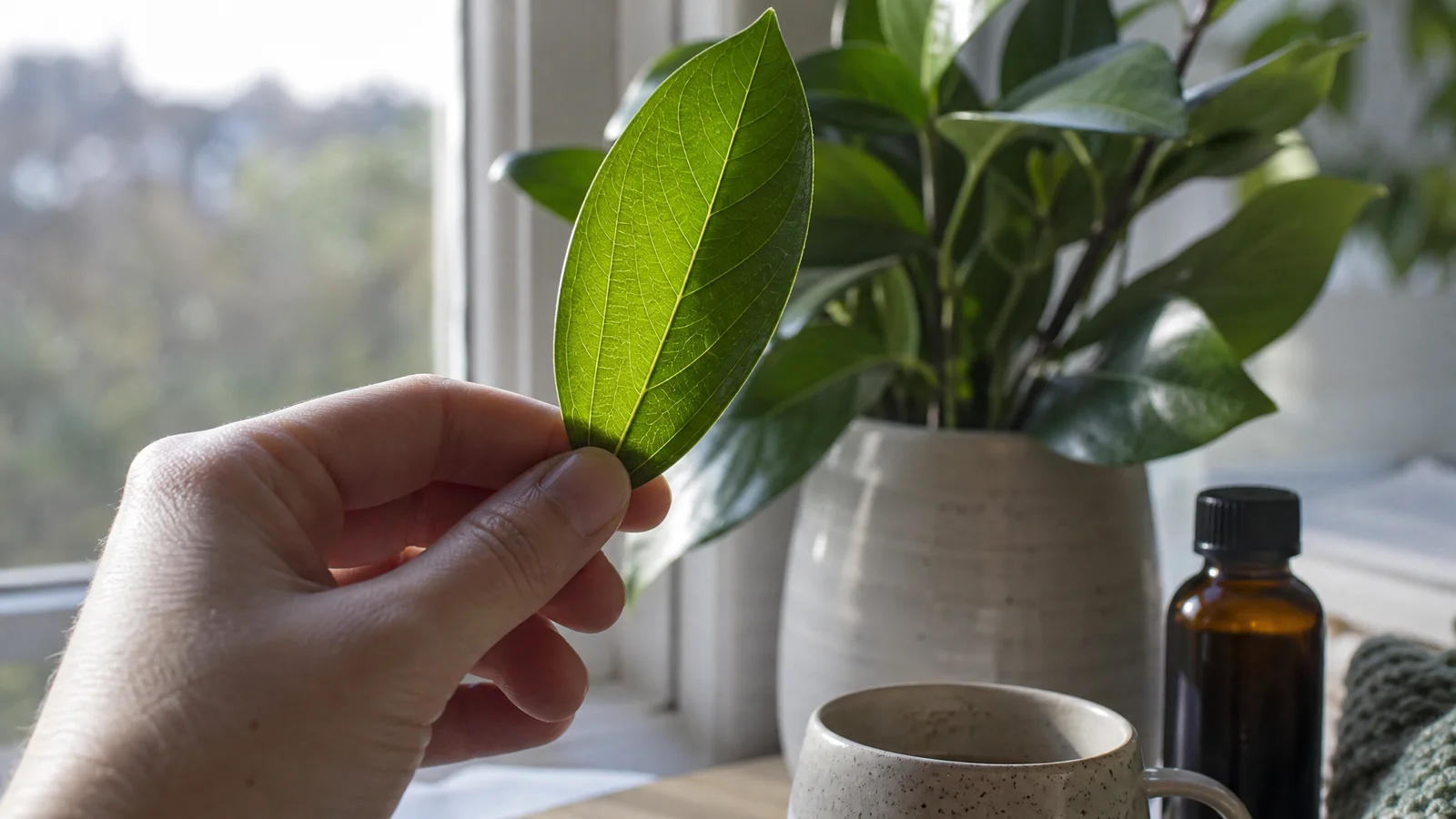
What's in White Camphor Oil? A Look at Its Chemistry
Camphor oil contains surprisingly little camphor. See what the white fraction is built from and why the name misleads.
Natural vs Synthetic Camphor: How Each Is Made
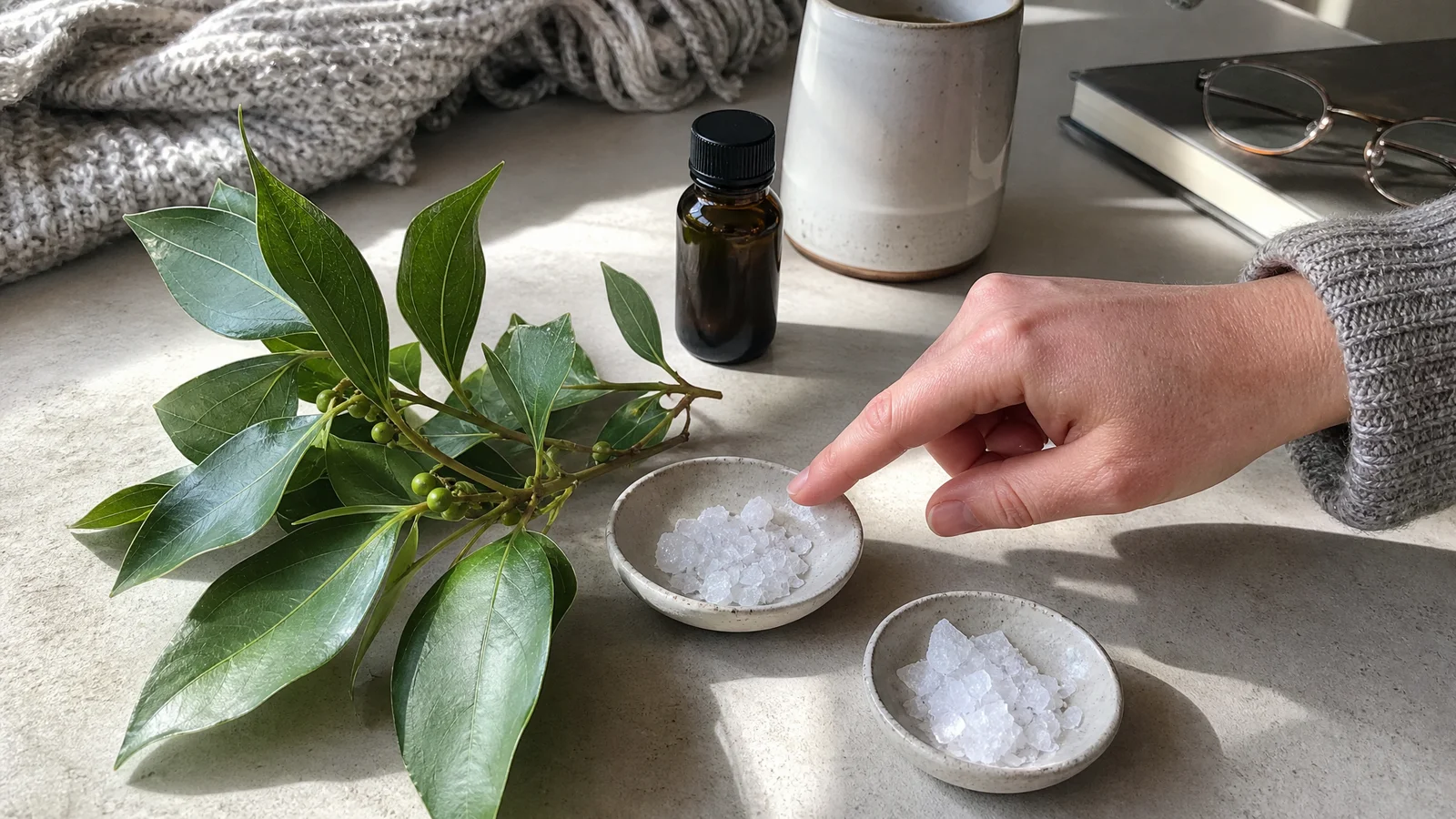
Synthetic camphor is built from pine turpentine, natural camphor comes from the camphor tree. See how each is made and how to tell them apart.
Is Camphor Oil Safe? What to Know Before You Use It
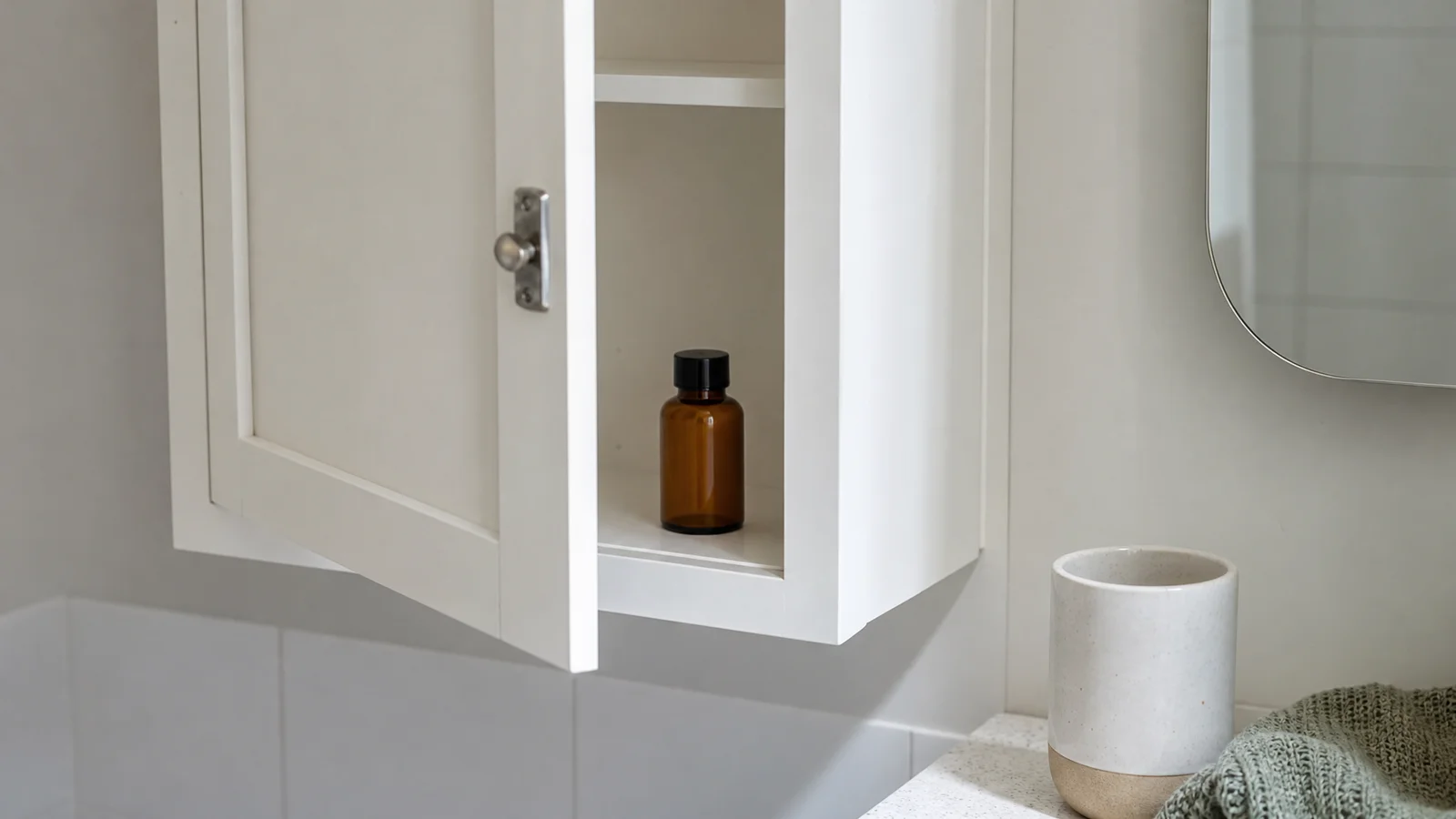
Camphor is potent, so it rewards respect. Here is a plain guide to who it suits, who should skip it, and how to store and handle the bottle.
Who Should Skip Camphor Oil? Risks by Route
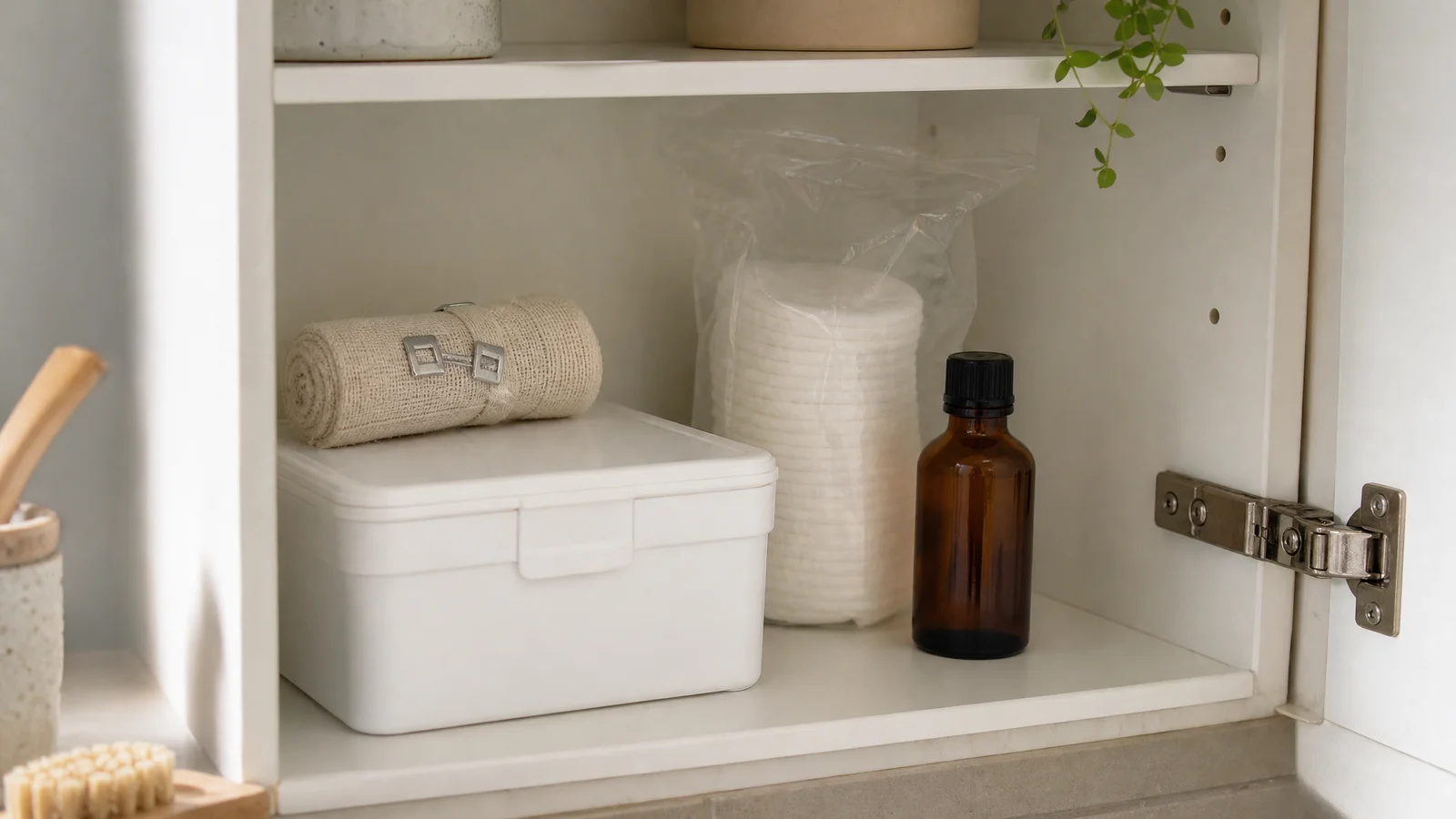
Camphor oil is not for everyone. Here is who should avoid it, and why what goes wrong depends on how it reaches your body.

Camphor Poisoning: Warning Signs and First Steps
If camphor has been swallowed, speed matters more than anything else. Here is who to call, what to say, and how fast signs can appear.

Camphor Oil and Children: Why Storage Matters Most
Camphor has a long, sobering record with small children. Here is why that is, and how to keep a bottle of it truly out of reach.

Is Camphor Oil Safe During Pregnancy or Nursing?
Pregnant or nursing? Here is what the poison monographs say about camphor, where the real danger lies, and who to ask.

Can You Ingest Camphor Oil? No, and Here Is Why
Camphor oil is never for swallowing, not in water, honey or food. Here is why the margin is so small, how quickly it acts, and what to do in an emergency.
How to Patch Test Camphor Oil: A Week-Long Method
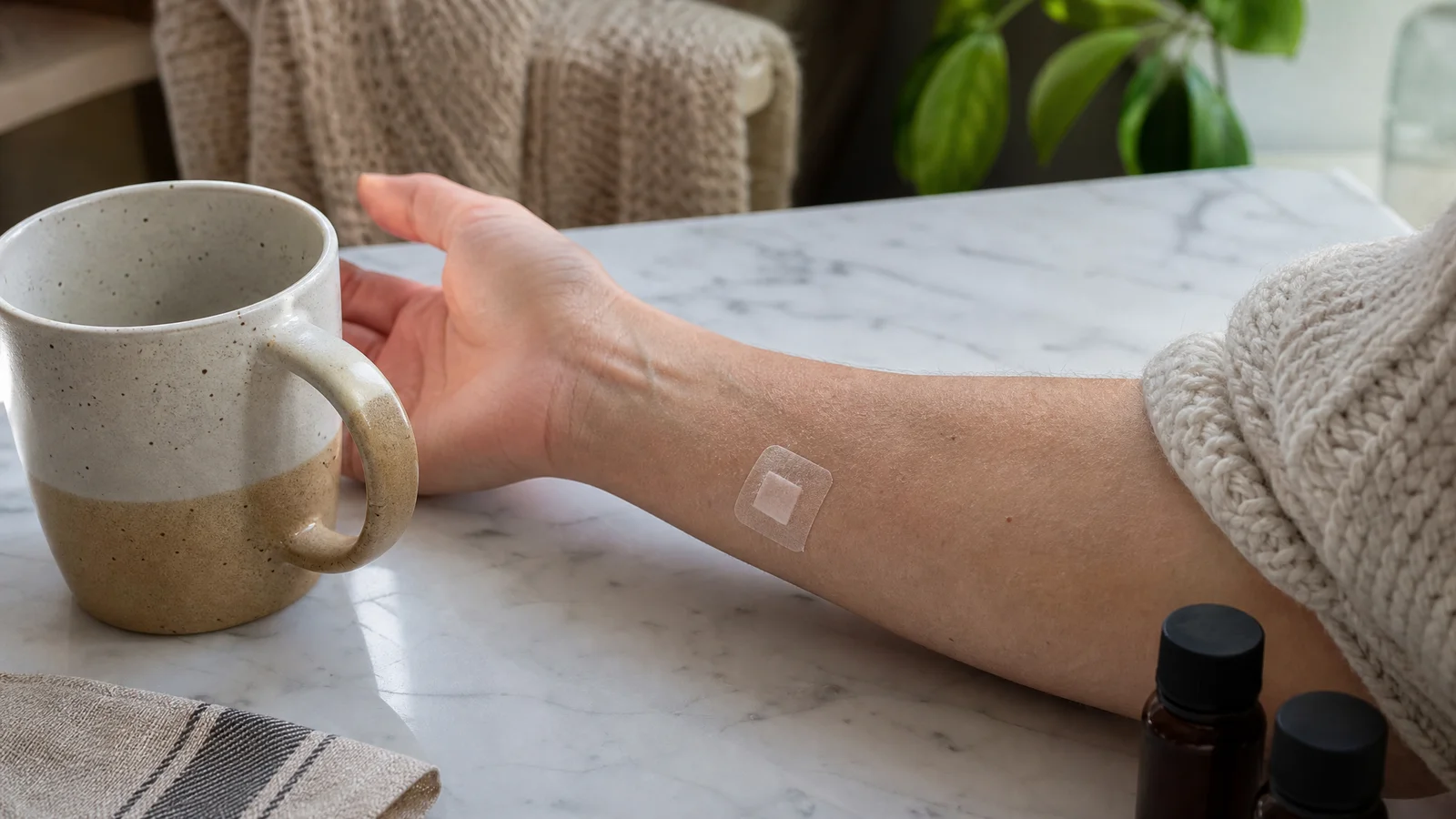
A quick dab on your arm is not much of a test. Here is how to patch test a diluted camphor oil over seven to ten days, and what to watch for along the way.

Is Camphor Oil Safe Around Dogs and Cats?
Veterinary sources are clear that camphor should never go on a dog or cat. Here is how pets meet it at home and how to prevent that.

FDA Camphor Rules: What the 11% Limit Really Means
The 11 percent figure and the 1982 camphorated oil rule are two different things. A plain look at what each covers, and why neither targets aromatic oils.

Ravintsara vs Ravensara vs Camphor Oil: Which Is Which?
Ravintsara is the camphor tree, ravensara is another tree entirely, and white camphor oil is a cut. A plain guide to what each label means.
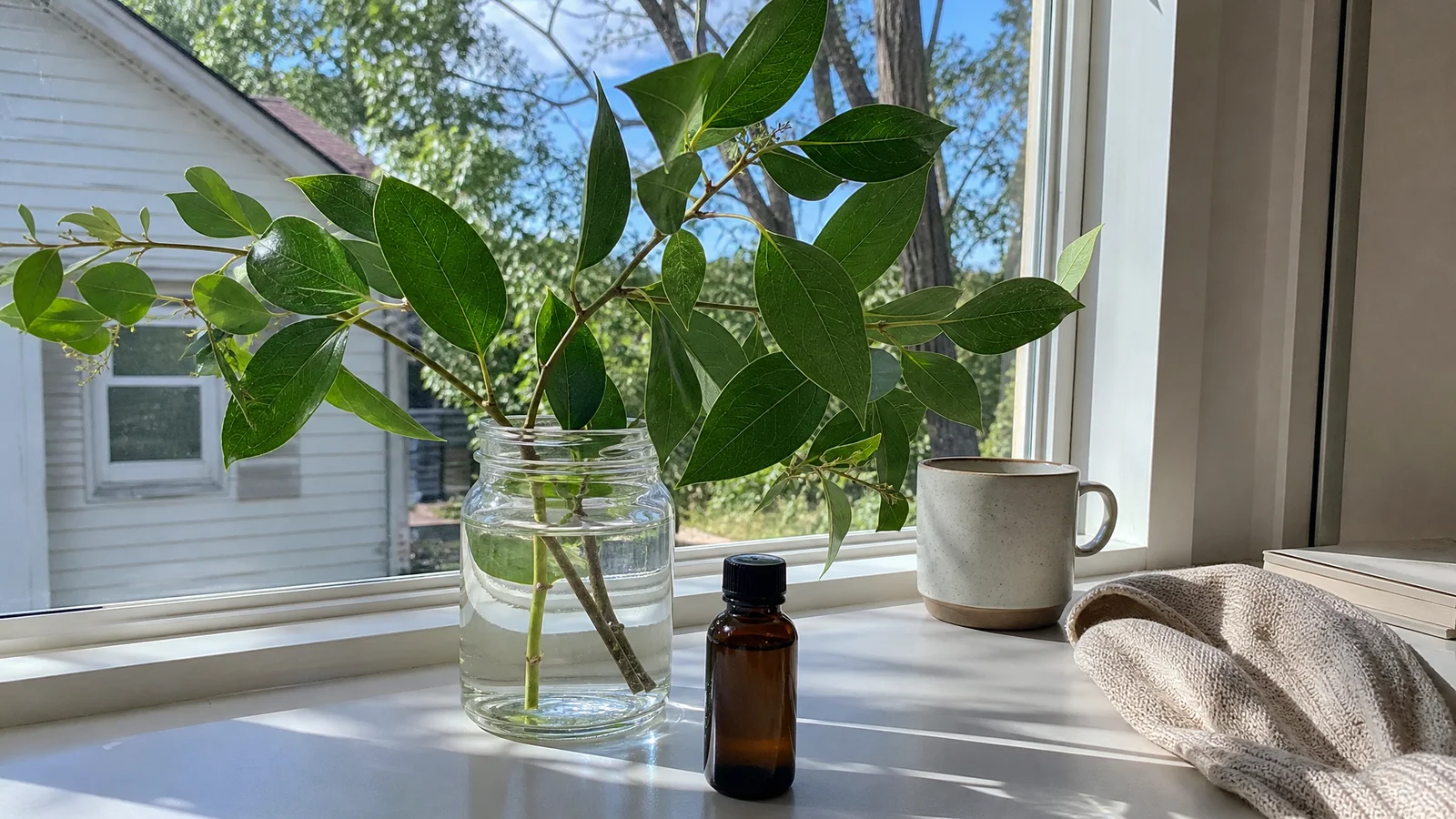
Ho Wood vs Camphor Oil: Same Tree, Different Scent
Same species, different bottles: ho wood leans floral and linalool-led, camphor oil leans cool and crystalline. See how to tell them apart.
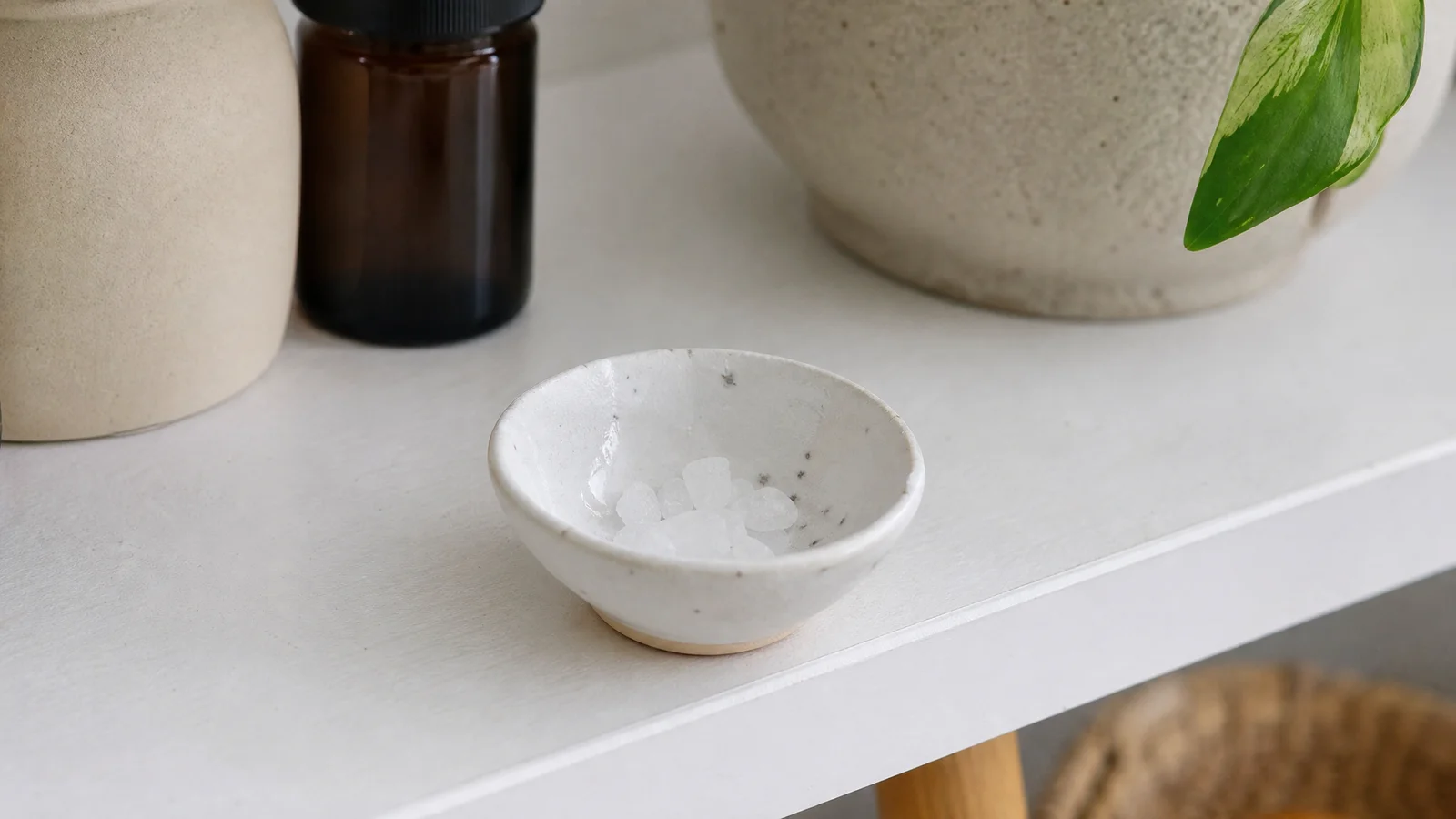
Edible Camphor vs Regular Camphor: Is There a Difference?
Edible, ceremonial and closet camphor are one compound under different names. Learn what a label really tells you and how to store each kind safely.
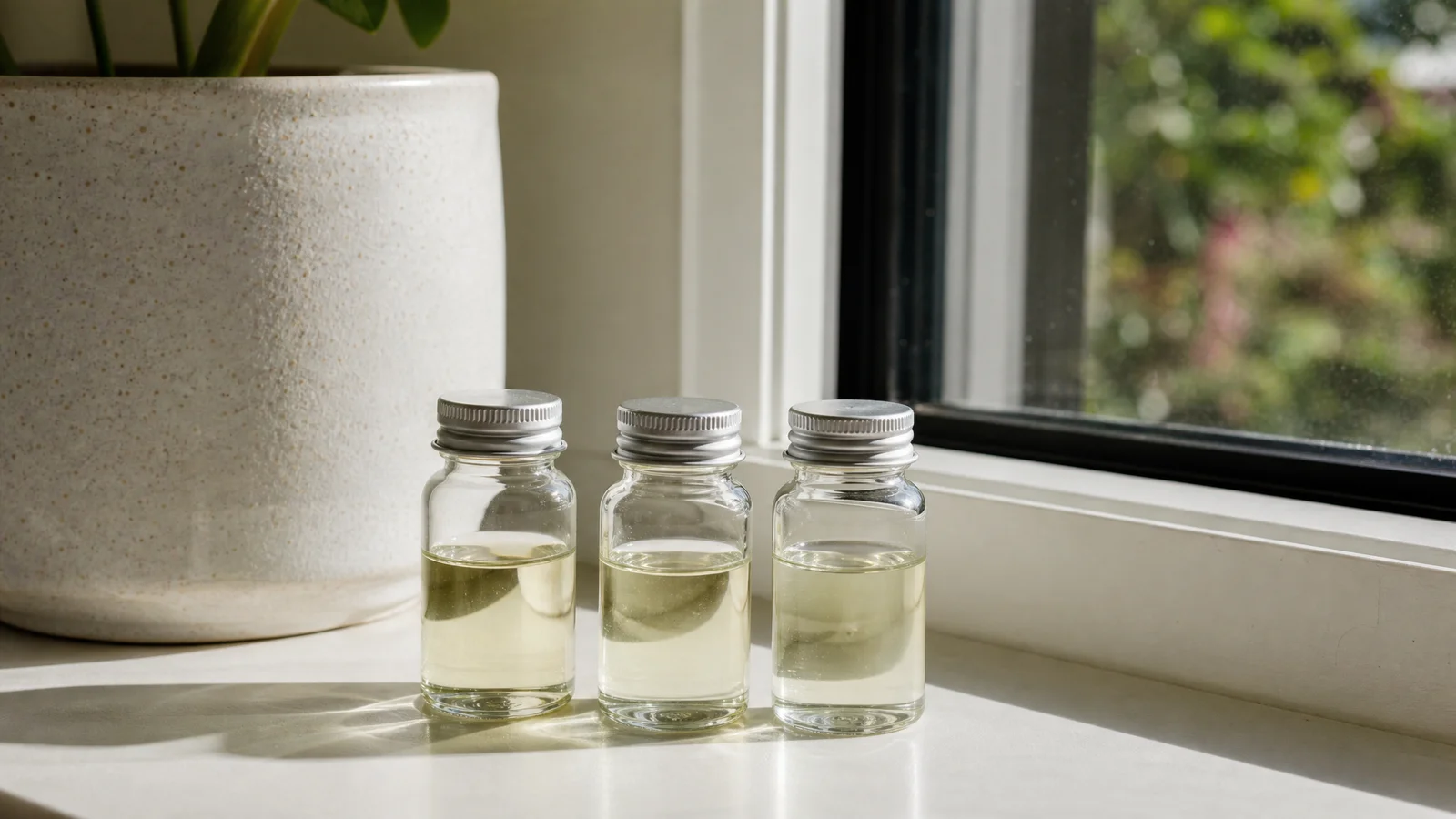
Camphor Oil GC/MS Report: How to Read the Peaks
Learn to read a camphor oil GC/MS report in a minute: what to check first, how to read the safrole line, and what a white camphor oil profile looks like.
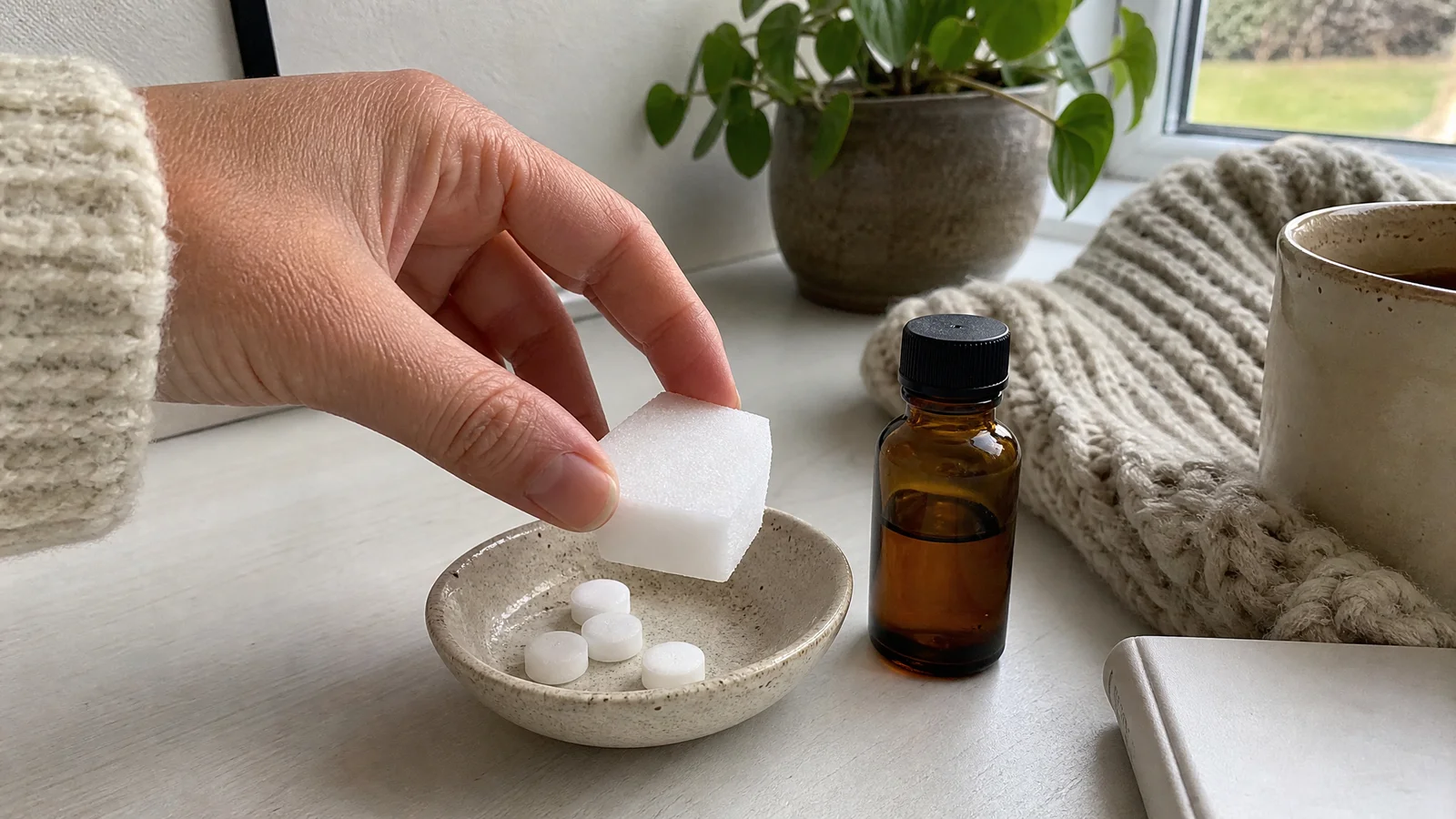
Camphor Oil vs Camphor Tablets: Which Fits the Job?
A solid block releases scent steadily, an oil lets you measure it out. How to choose between camphor tablets and camphor oil, and what both share.
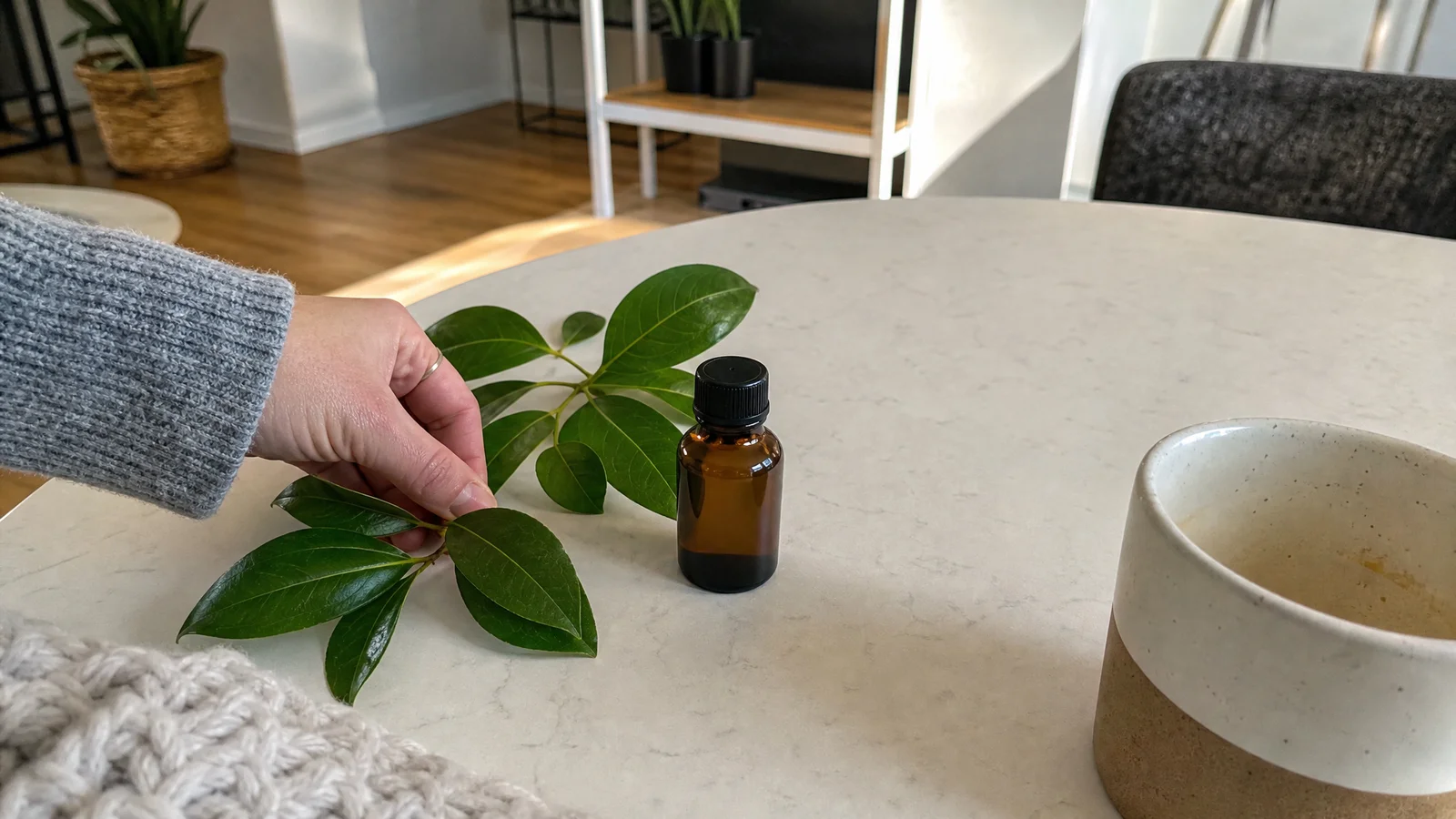
Camphor Oil Benefits: The Science of That Cool Feeling
Camphor's signature is a cool, crisp sensation. Here is what studies have found about how that feeling happens and how we use the oil as an aroma.

Why Camphor Rubs Tingle: The Cool Sensation Explained
That cool, tingling feeling from a camphor rub has a real explanation in your skin's sensory nerves. Here is what it is, and is not.

Camphor Rubs and Joints: The Cooling Distraction Explained
A camphor rub cools the skin to distract from aching joints. See what the Arthritis Foundation and the trials really show.
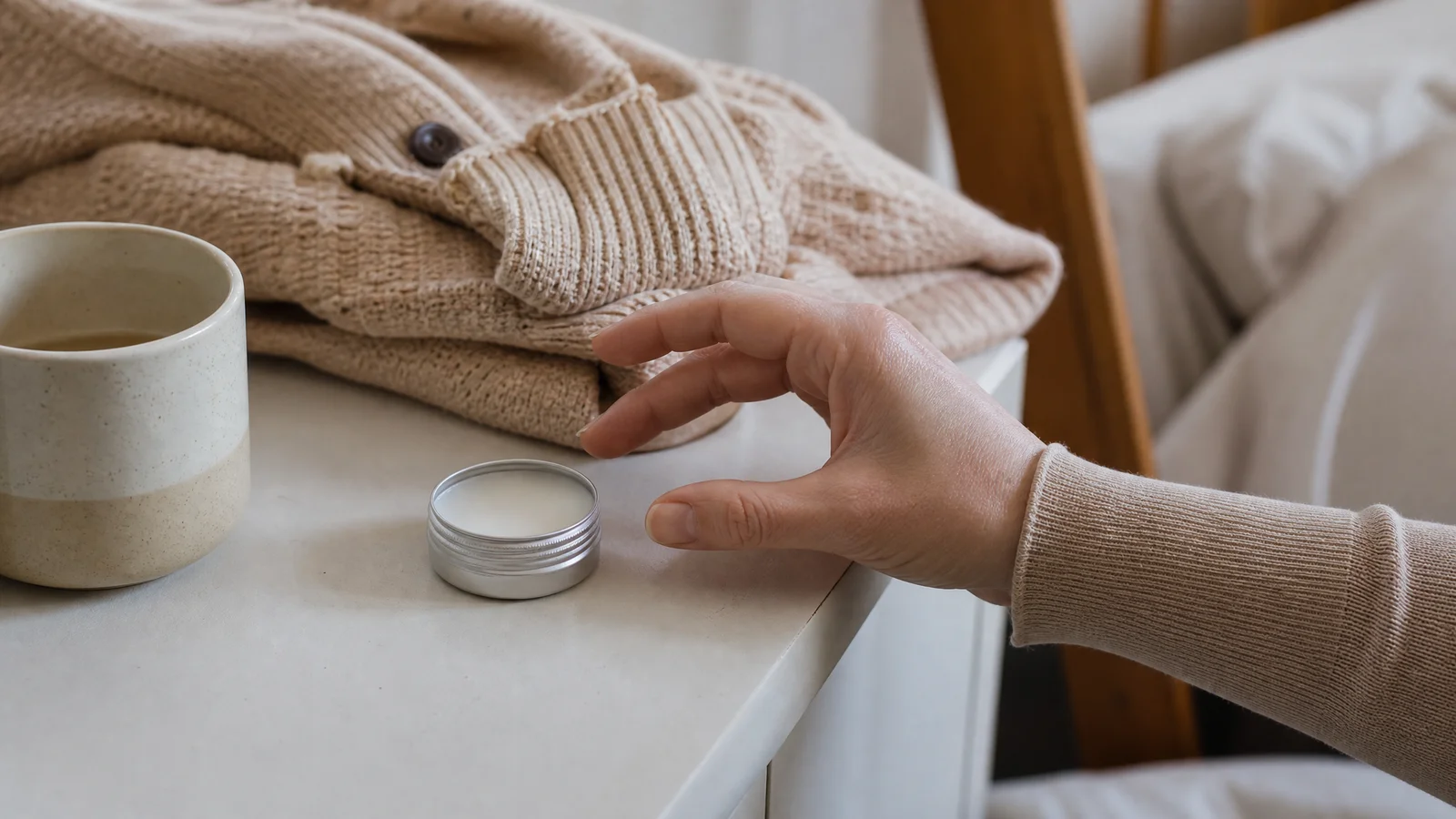
Why Camphor Rubs Feel Like Easier Breathing
That icy rush up the nose feels like clearer breathing. A classic volunteer study shows where the feeling really comes from.
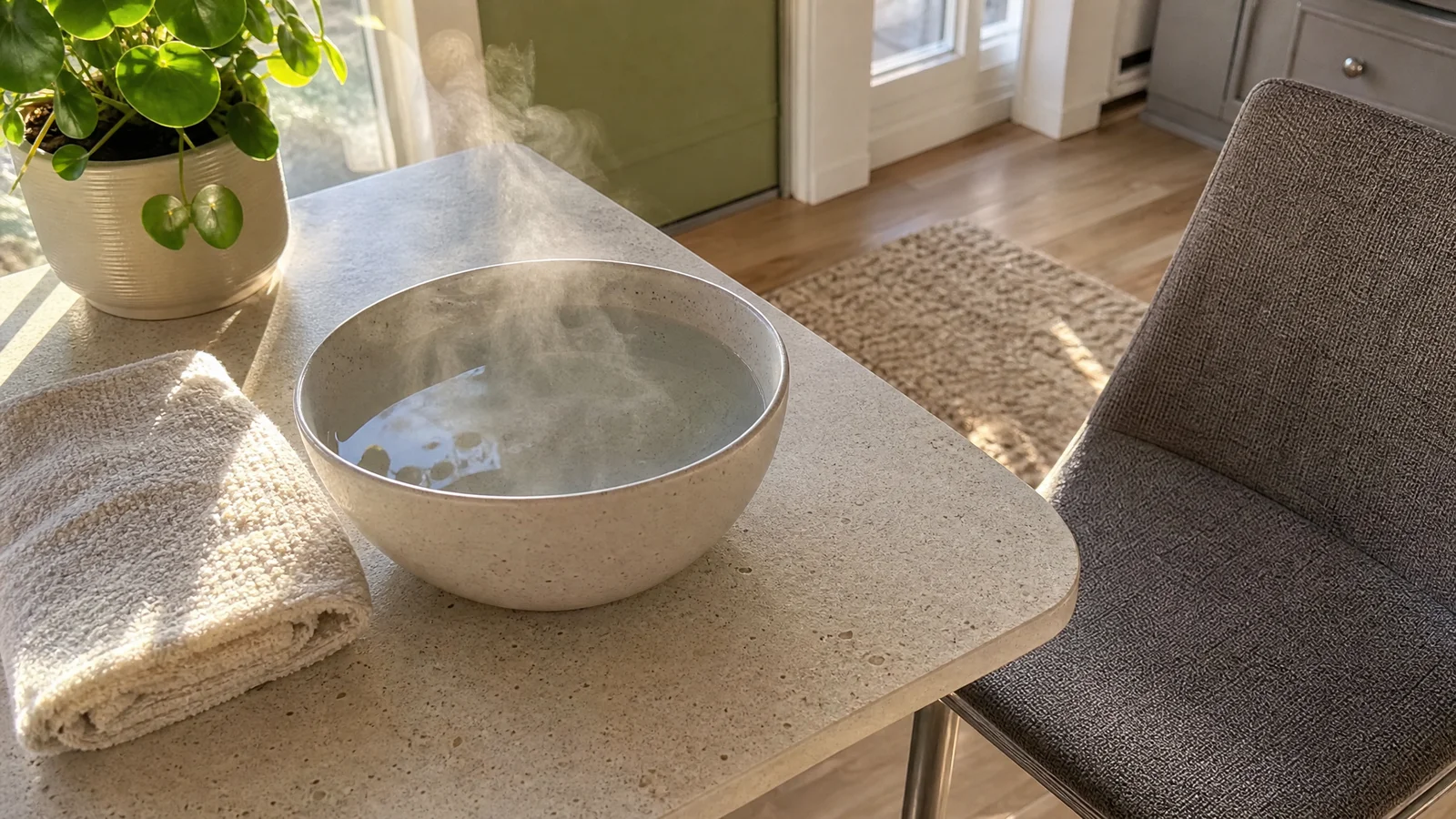
Camphor Steam Inhalation: Why We Say Skip the Bowl
Search camphor steam and you will find a method. We leave that out on purpose: burn records, FDA label rules and what a pharmacist can offer instead.
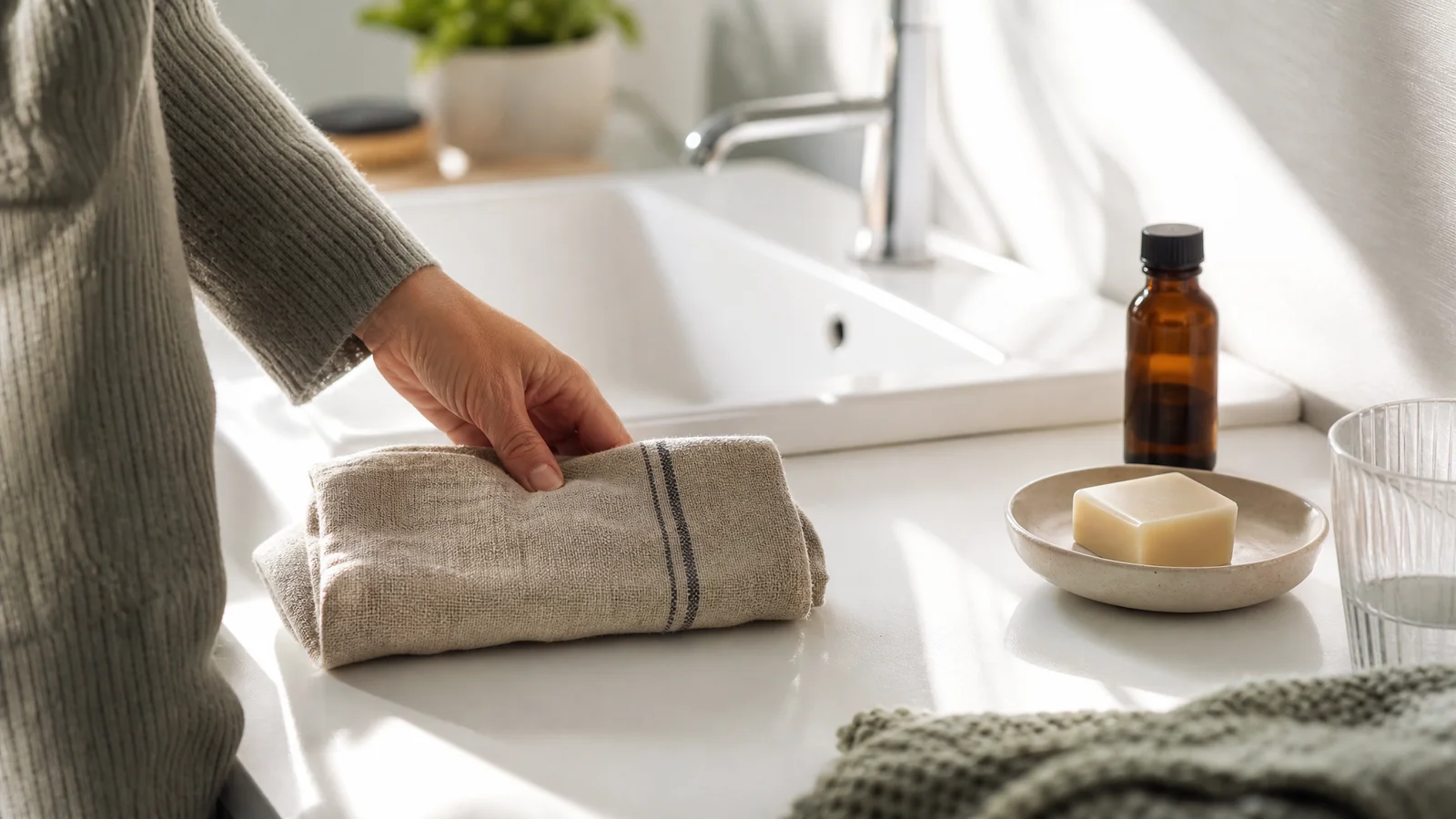
Using Camphor Oil on Skin: Dilution and Patch Tests
Camphor oil is potent stuff, and skin is not the easiest place to start. Dilution, patch testing, and who should skip it altogether.
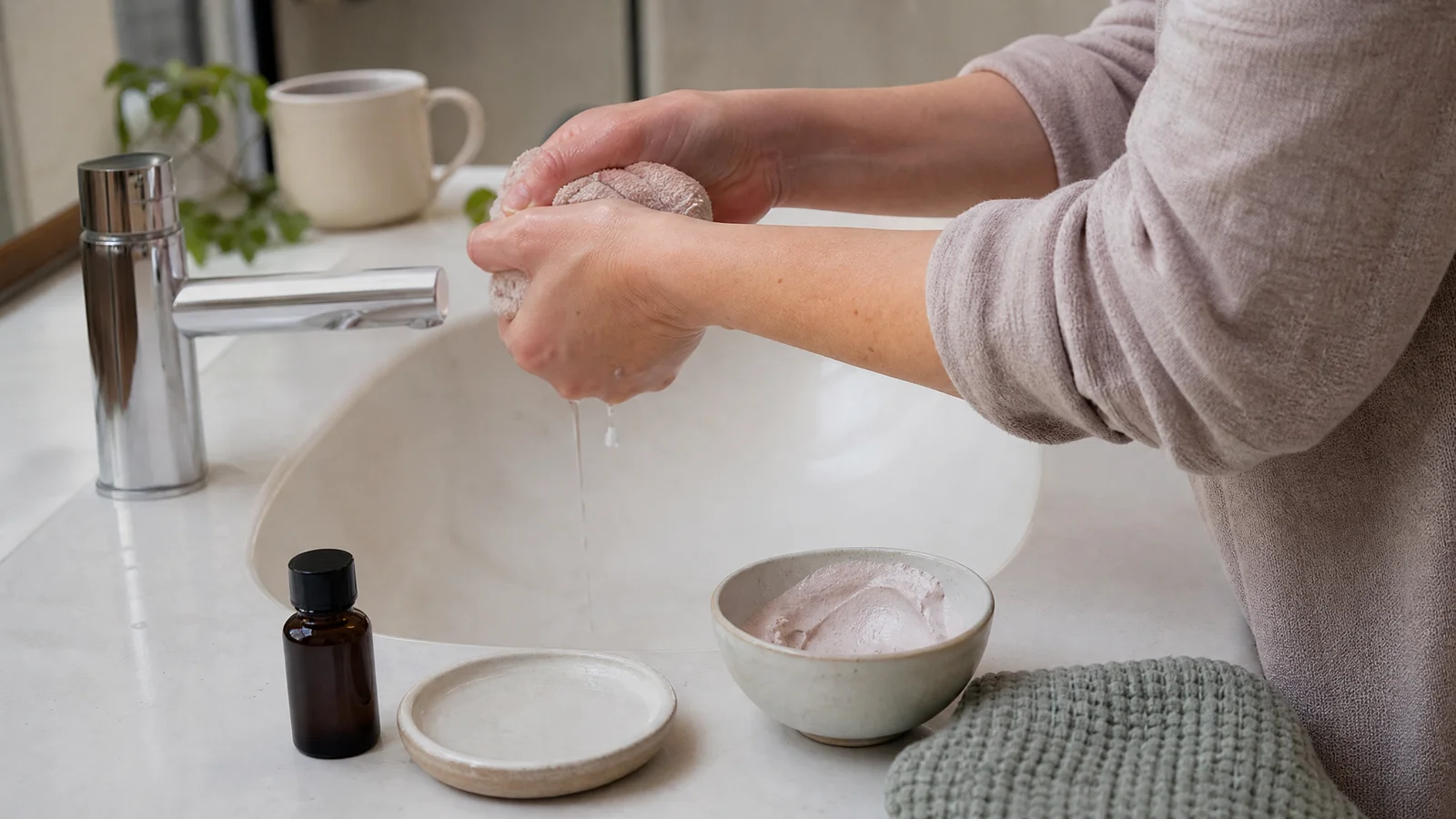
Camphor Oil for Acne? Why We'd Leave It Off Blemishes
Camphor smells clean and feels cool, so it gets suggested for breakouts. Here is what the evidence covers and why we skip it.
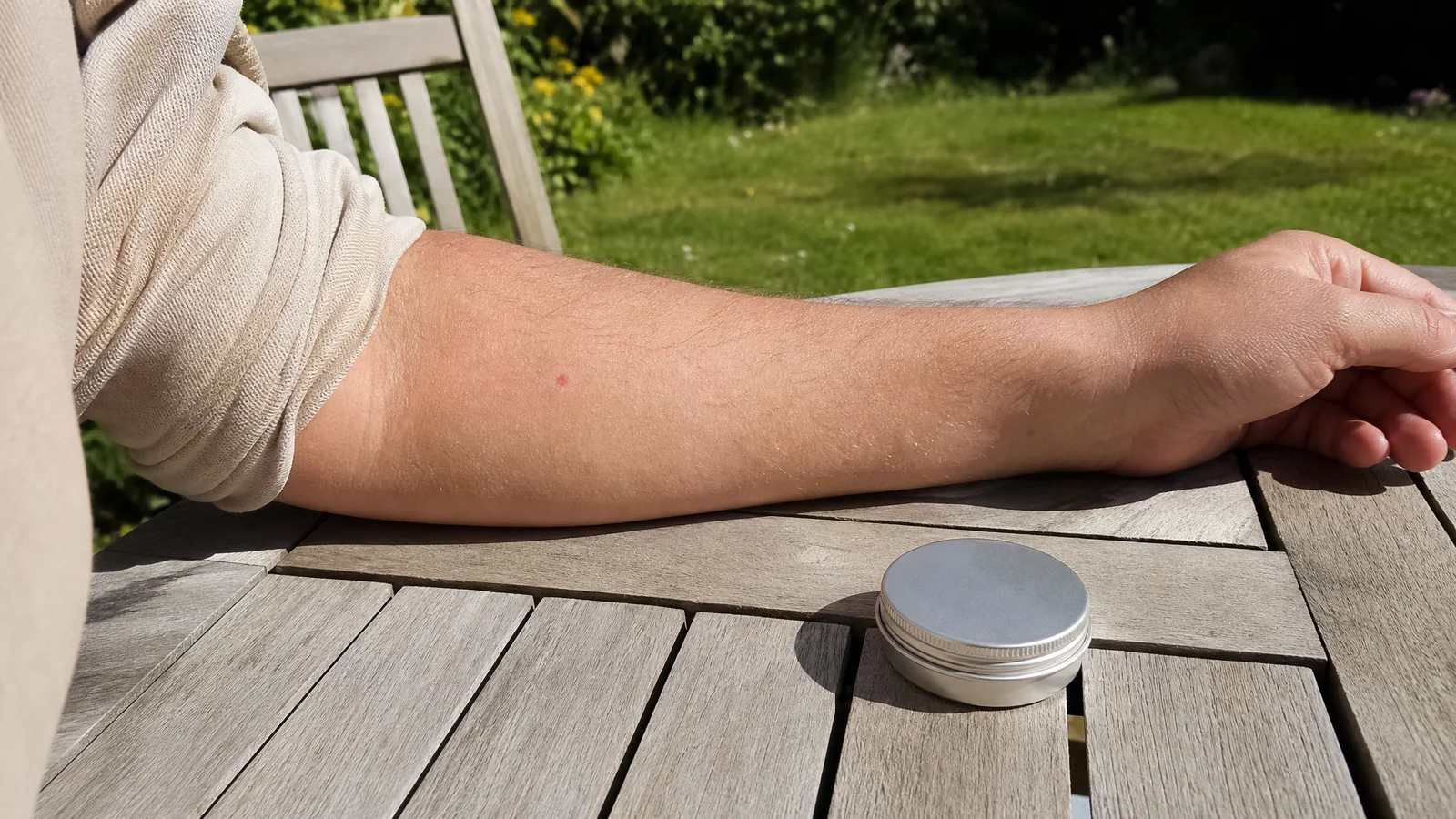
Camphor in Anti-Itch Creams: Why It Is on the Label
Camphor really does appear on anti-itch labels. Here is why, what the studies say, and why a bottle of oil is a different thing.
Camphor Oil for Head Lice? What to Do Instead
Lice make parents grab anything in the cupboard. Here is why camphor oil is not the answer and who to call first.
Vicks and Toenail Fungus: What the Study Really Found
One small 2011 study of Vicks VapoRub on toenails gets quoted everywhere. Here is what it measured, and what it cannot tell you about oil.

Peppermint Temple Rub Study: Where Camphor Fits In
Temple rubs have a famous study behind them, but it was about peppermint. See what it tested and where camphor fits in.

Camphor for Moths: What Really Protects Wool
What extension sources say protects wool from clothes moths, how mothballs differ from camphor, and where camphor oil fits as a closet scent.
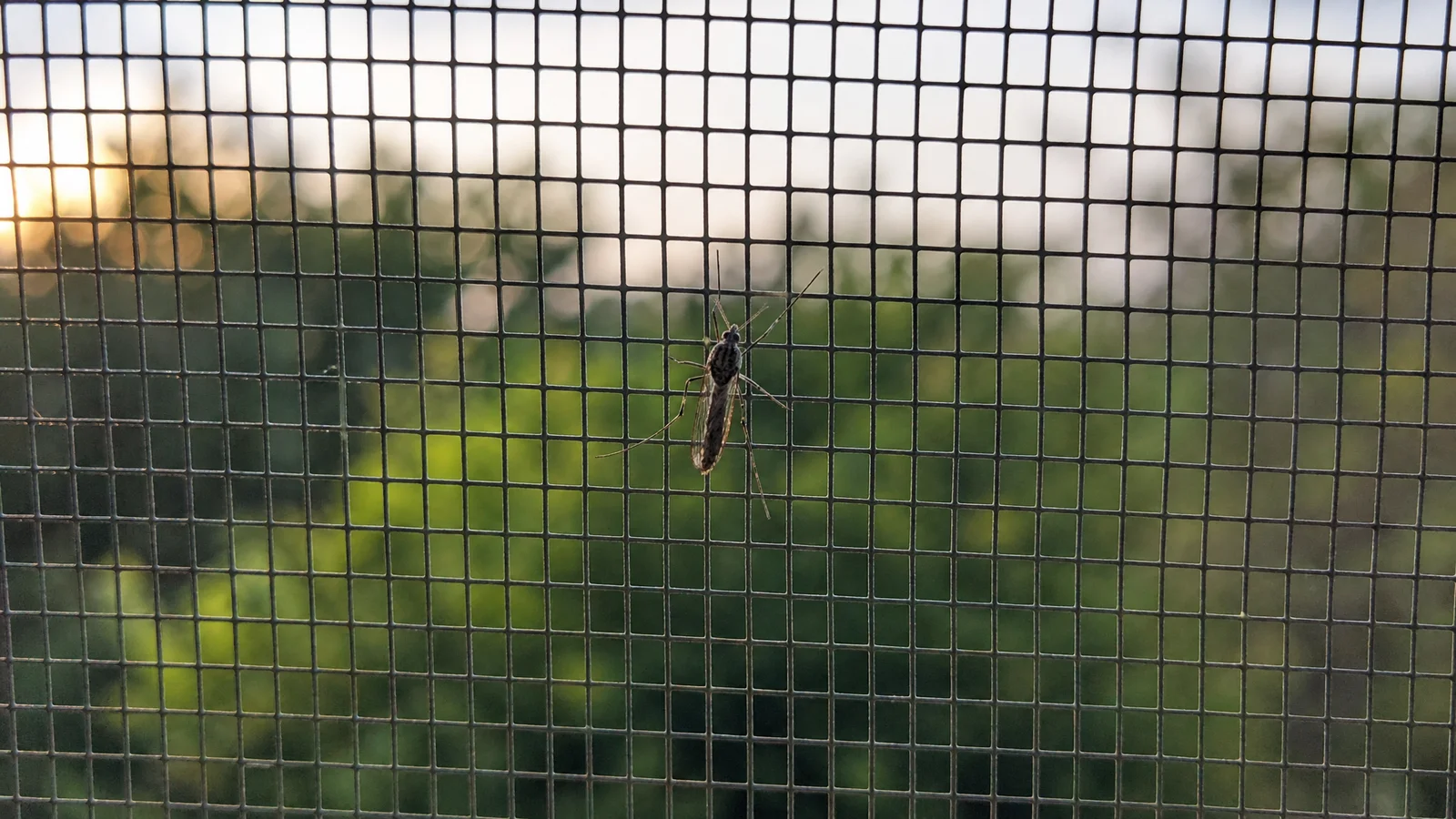
Is Camphor Oil a Mosquito Repellent? What to Know
A strong scent is not tested protection. See what EPA registration means and why we point to registered repellents for mosquitoes.
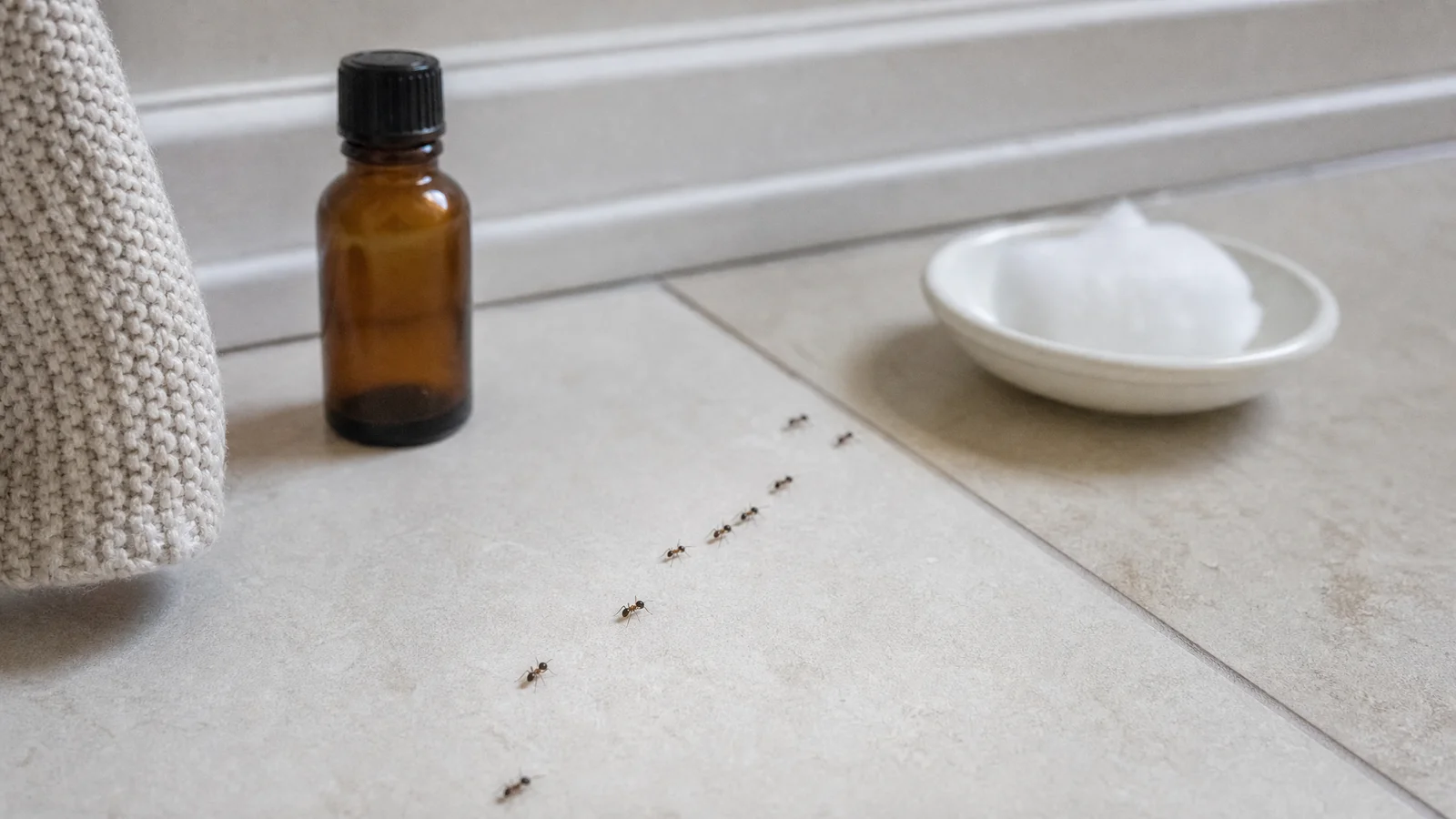
Camphor Oil for Ants and Roaches: What Pest Pros Say
Camphor smells strong, but extension guidance for ants and roaches rests on cleanup, sealing and baits. Here is what to do and why.
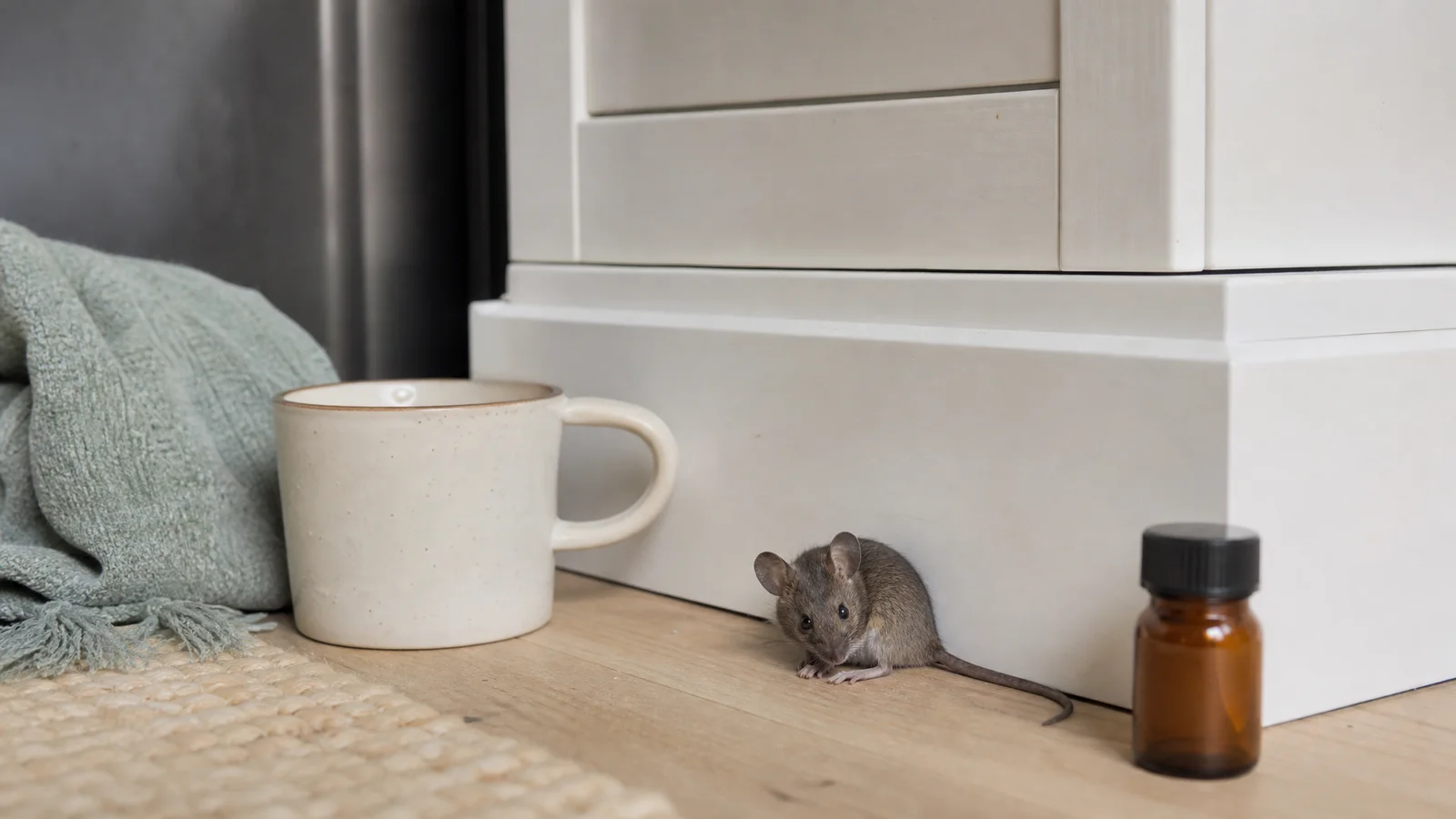
Does Camphor Repel Mice? What Works Instead
Camphor smells strong, so it seems it should keep mice out. University pest guidance recommends sealing and trapping instead. Here is the short version.
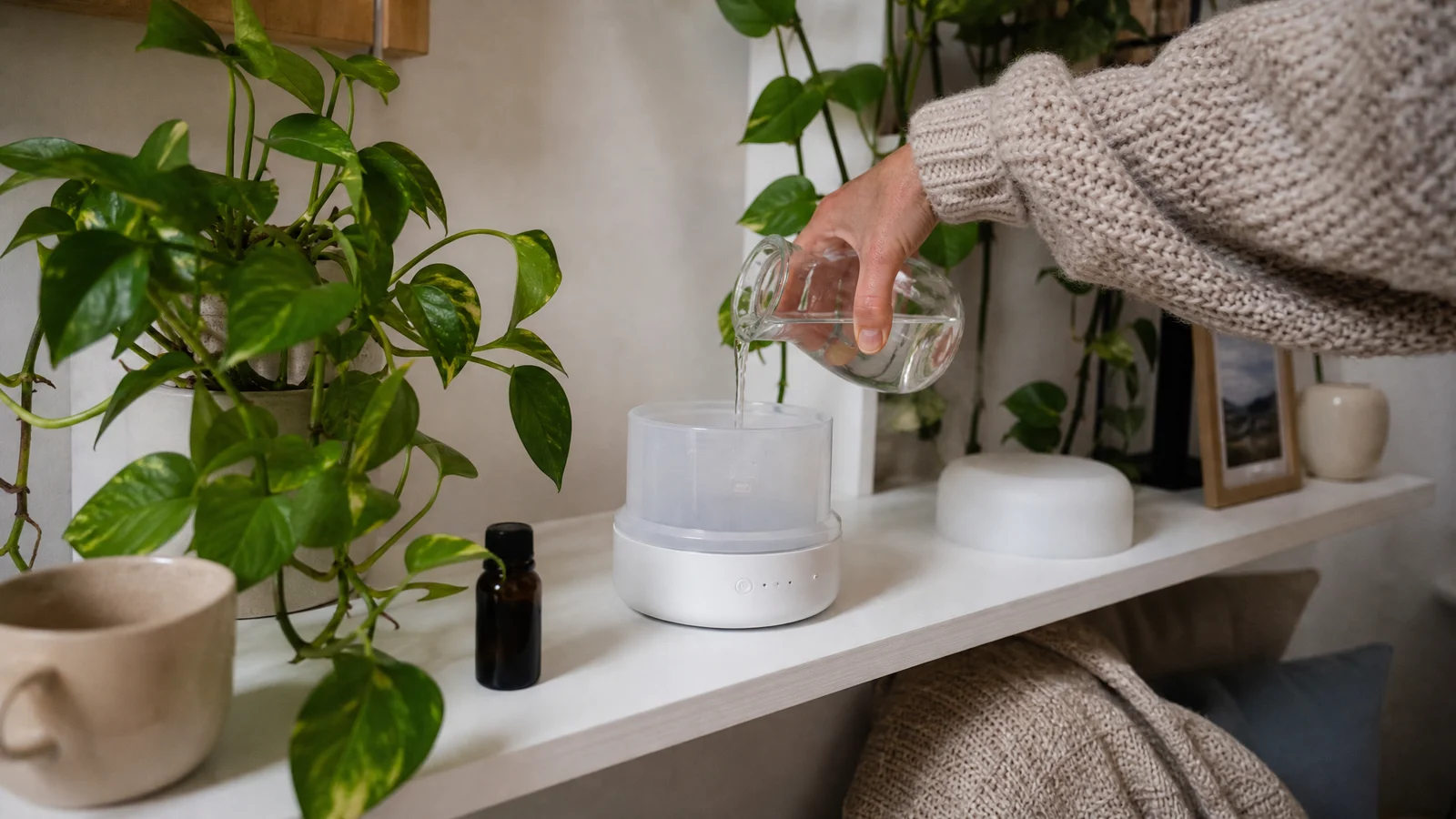
How to Diffuse Camphor Oil: A Cautious Guide
Camphor is a top note with a strong voice. Learn to diffuse it with a light hand: who should skip it, how few drops to use, and how to time a session.
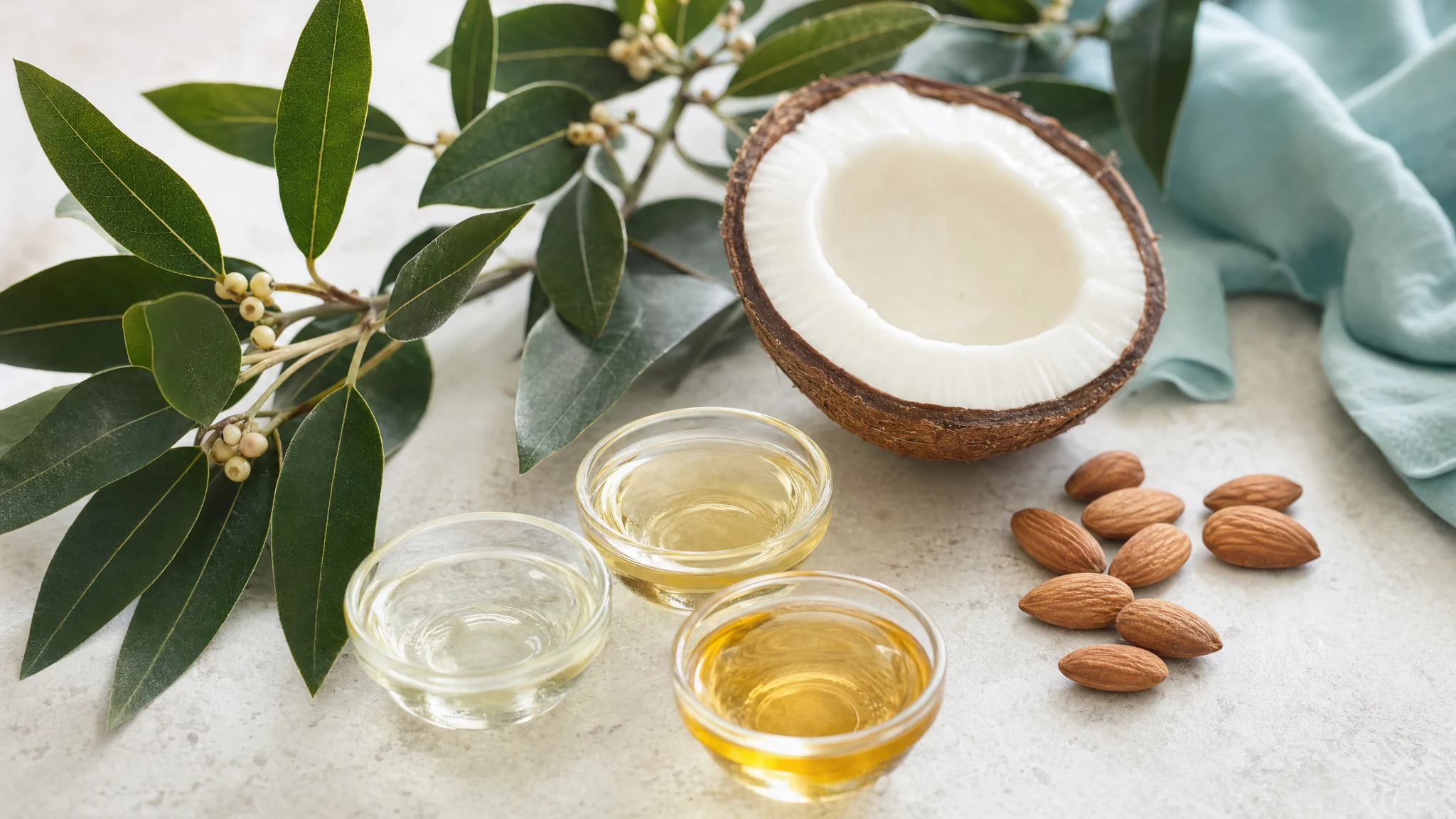
Best Carrier Oils for Camphor: Jojoba, Almond, Coconut
Jojoba for blends that sit, almond for quick batches, coconut for balms. How to pick a carrier for camphor oil by storage time, with a drop table.
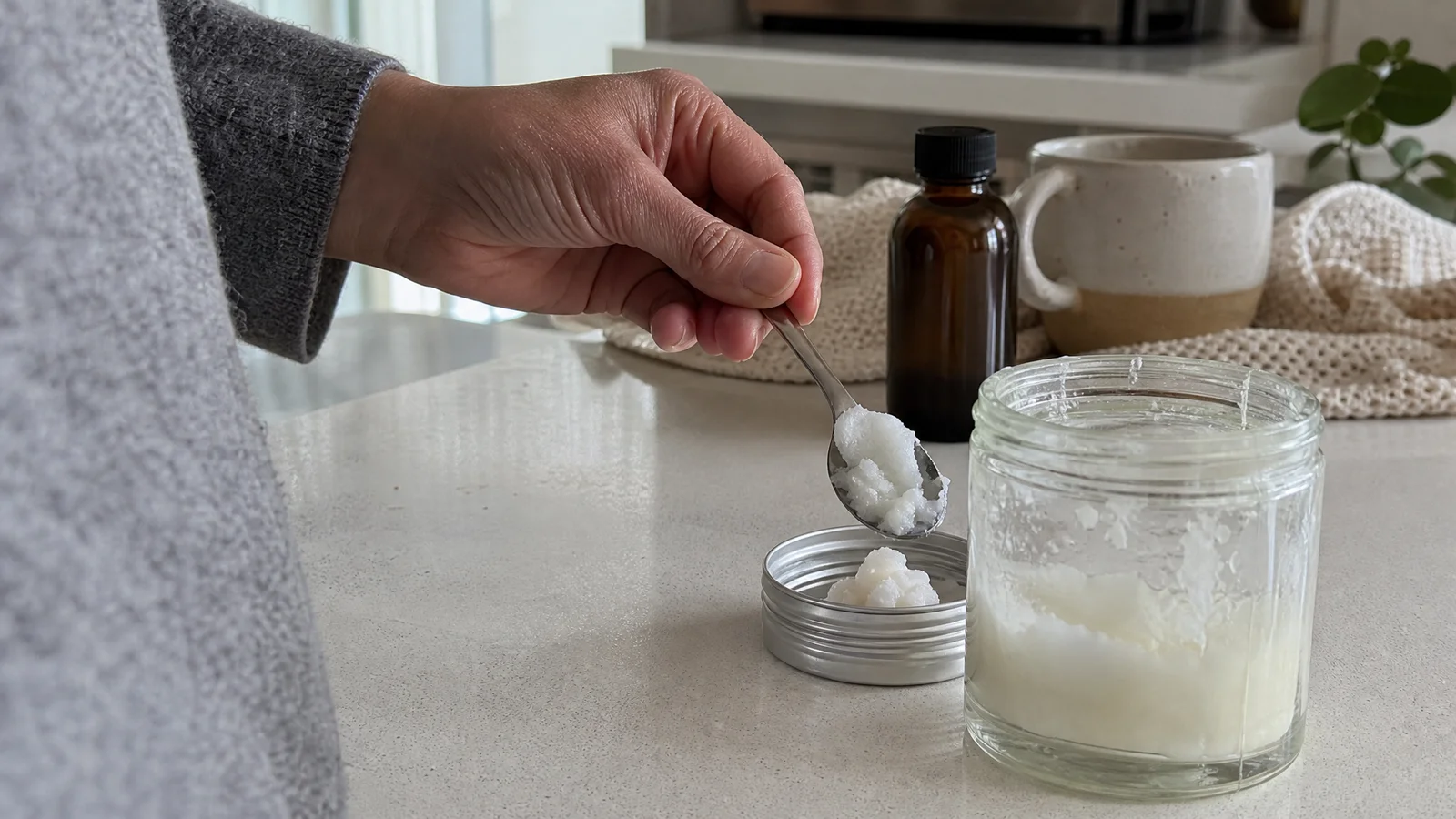
Camphor Oil vs Vapor Rub: Why They Are Not the Same
A pharmacy vapor rub and a bottle of white camphor oil share a name and little else. Here is what separates them, and why we skip the copycat recipe.
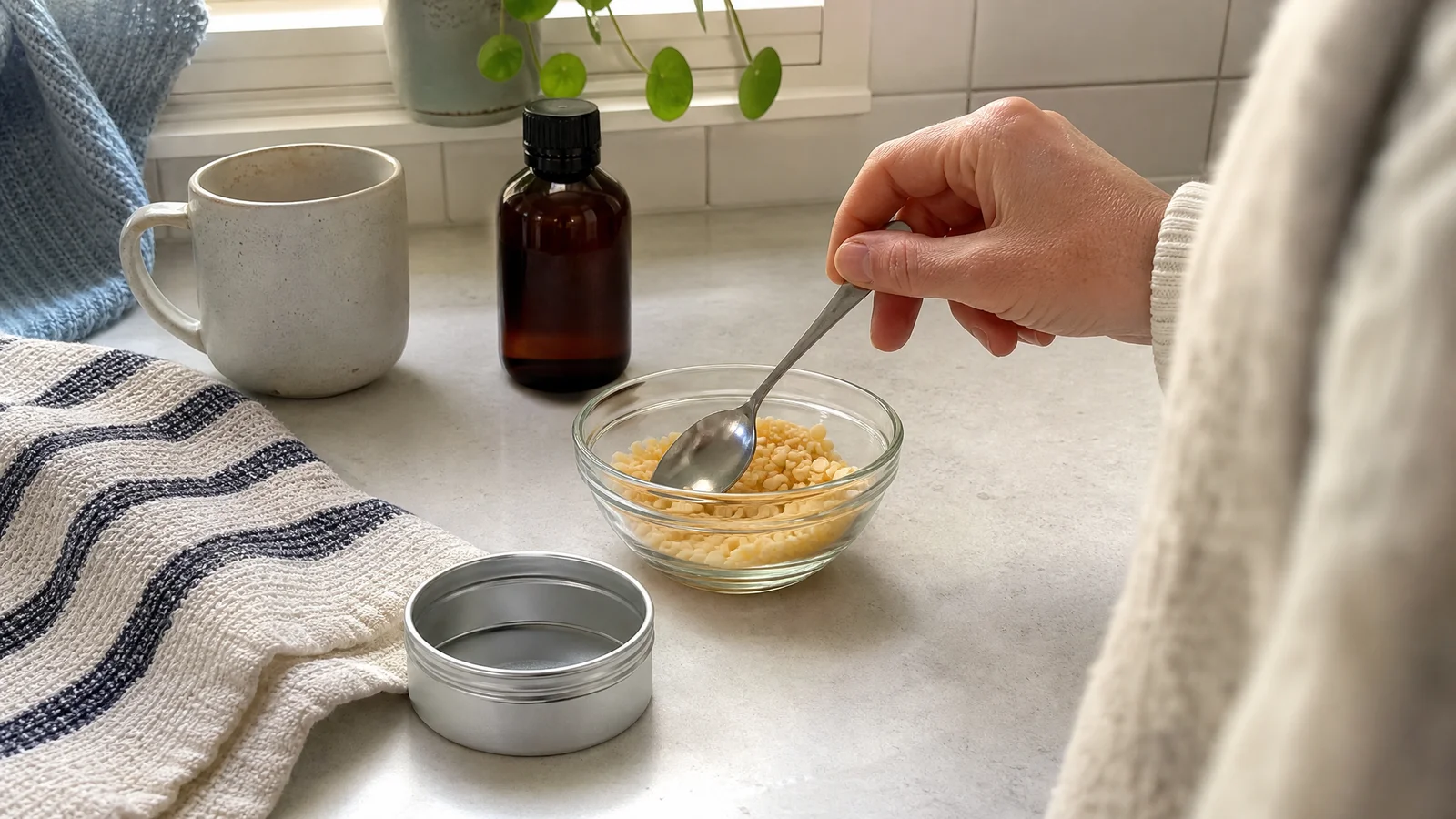
Camphor Balm Recipe: Measured by Weight, Not Drops
Most balm recipes end with 'add 20 drops.' Here is a camphor-scented balm worked out in grams, with the oil at 1% to 2% of the base and clear limits.
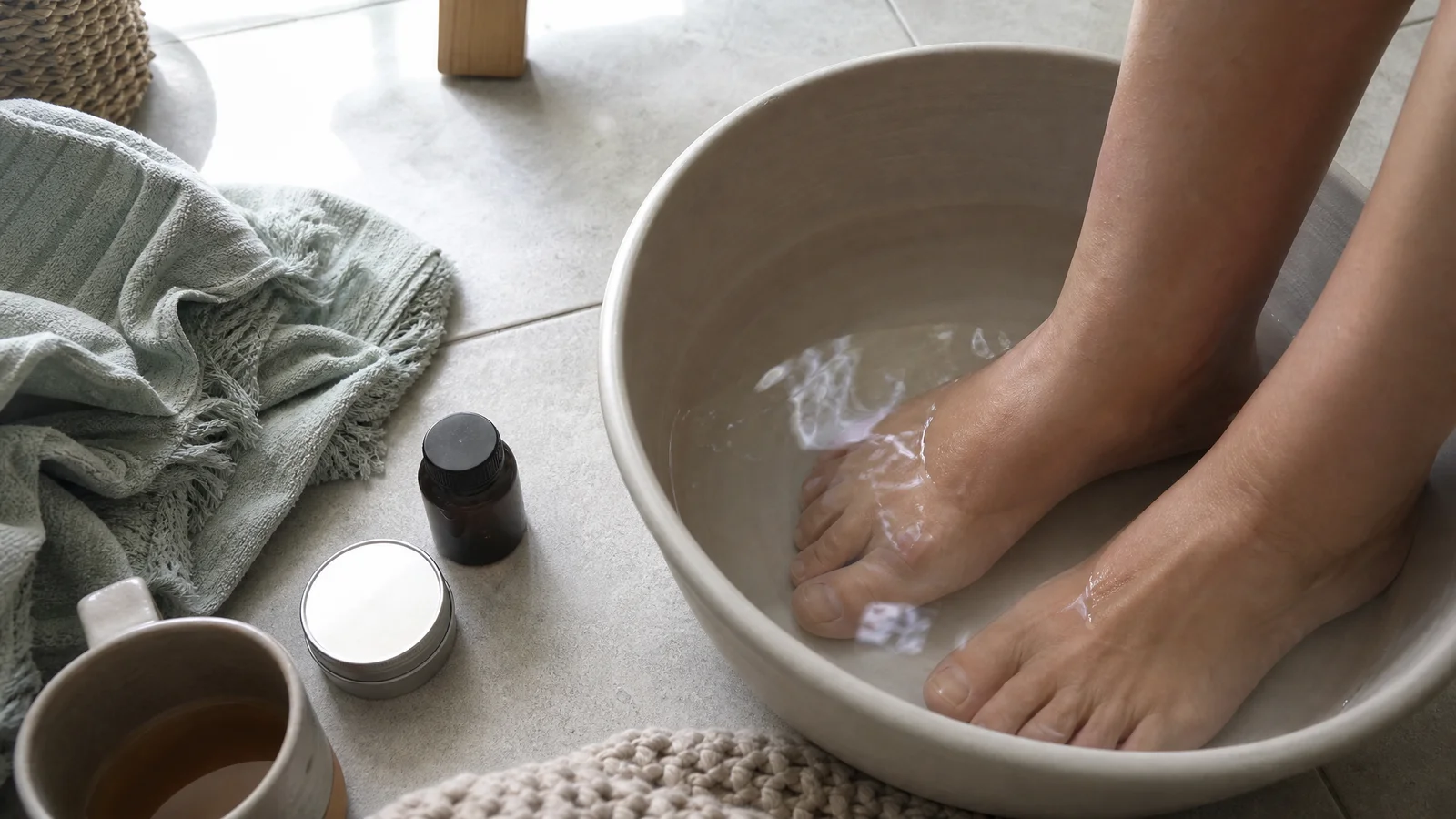
Camphor Foot Balm on a Petroleum Jelly Base
Why camphor oil belongs in a petroleum jelly balm and not the foot soak, with a 0.5% recipe worked out by weight and a note on who should skip it.
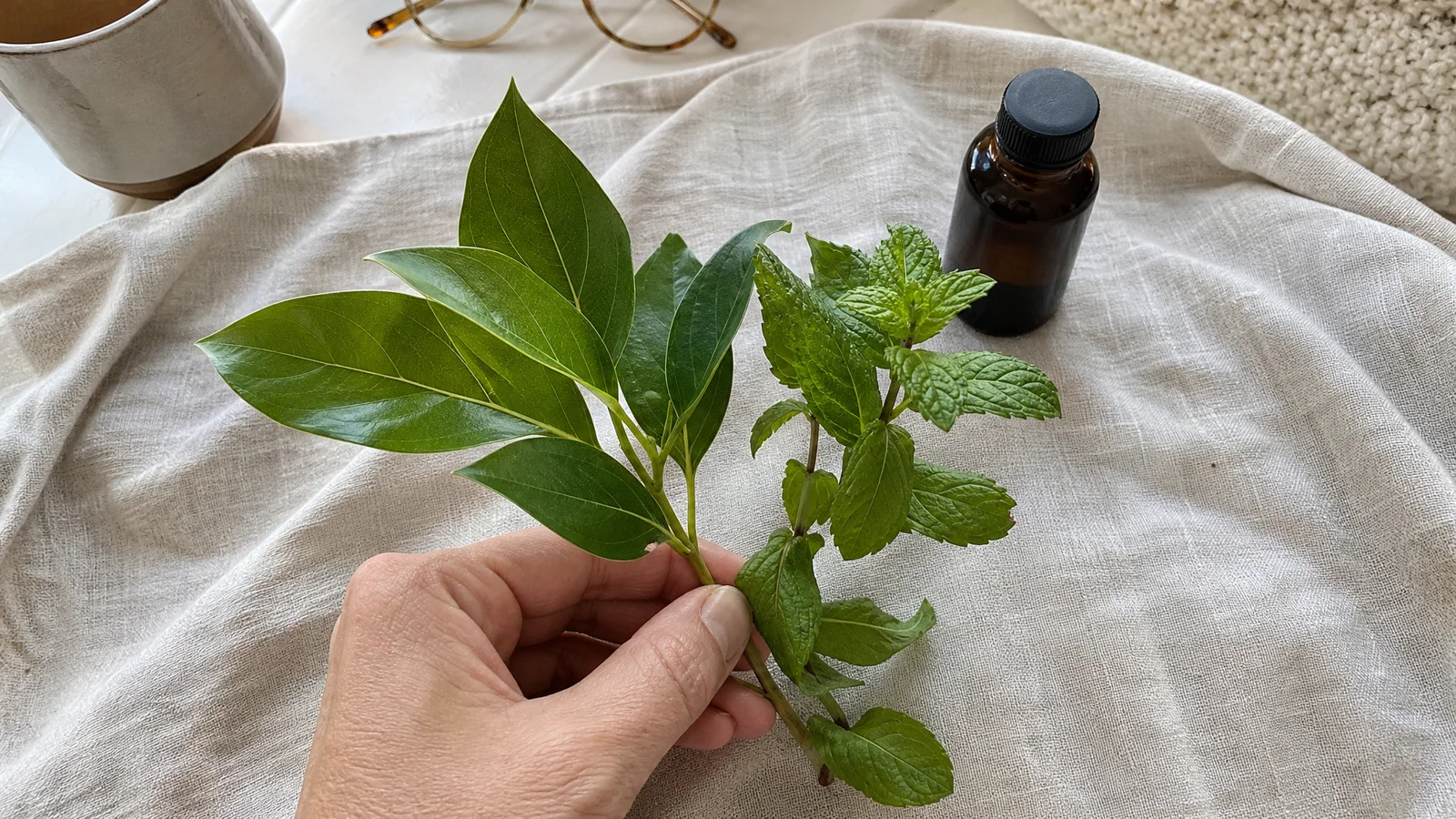
Camphor vs Peppermint Oil: Dry and Woody or Sweet?
Peppermint brings sweet mint, white camphor oil brings a dry woody edge. See how they differ on skin and nose, and how they play together in a blend.
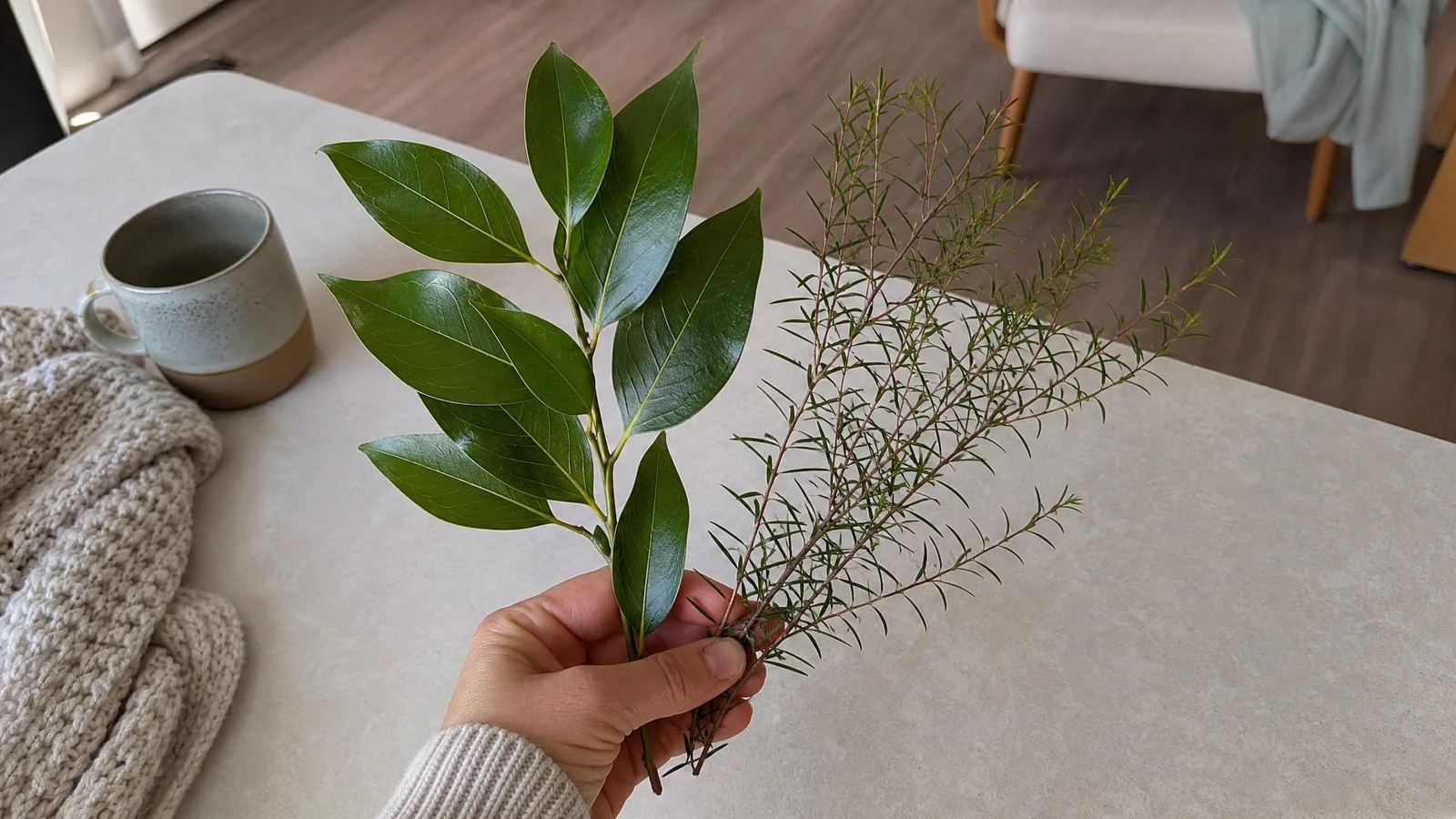
Camphor and Tea Tree Oil: How to Buy and Store Both
Tea tree has an ISO standard, camphor oil has fractions. What to ask a seller, why oils change with age and how to keep both bottles fresh.
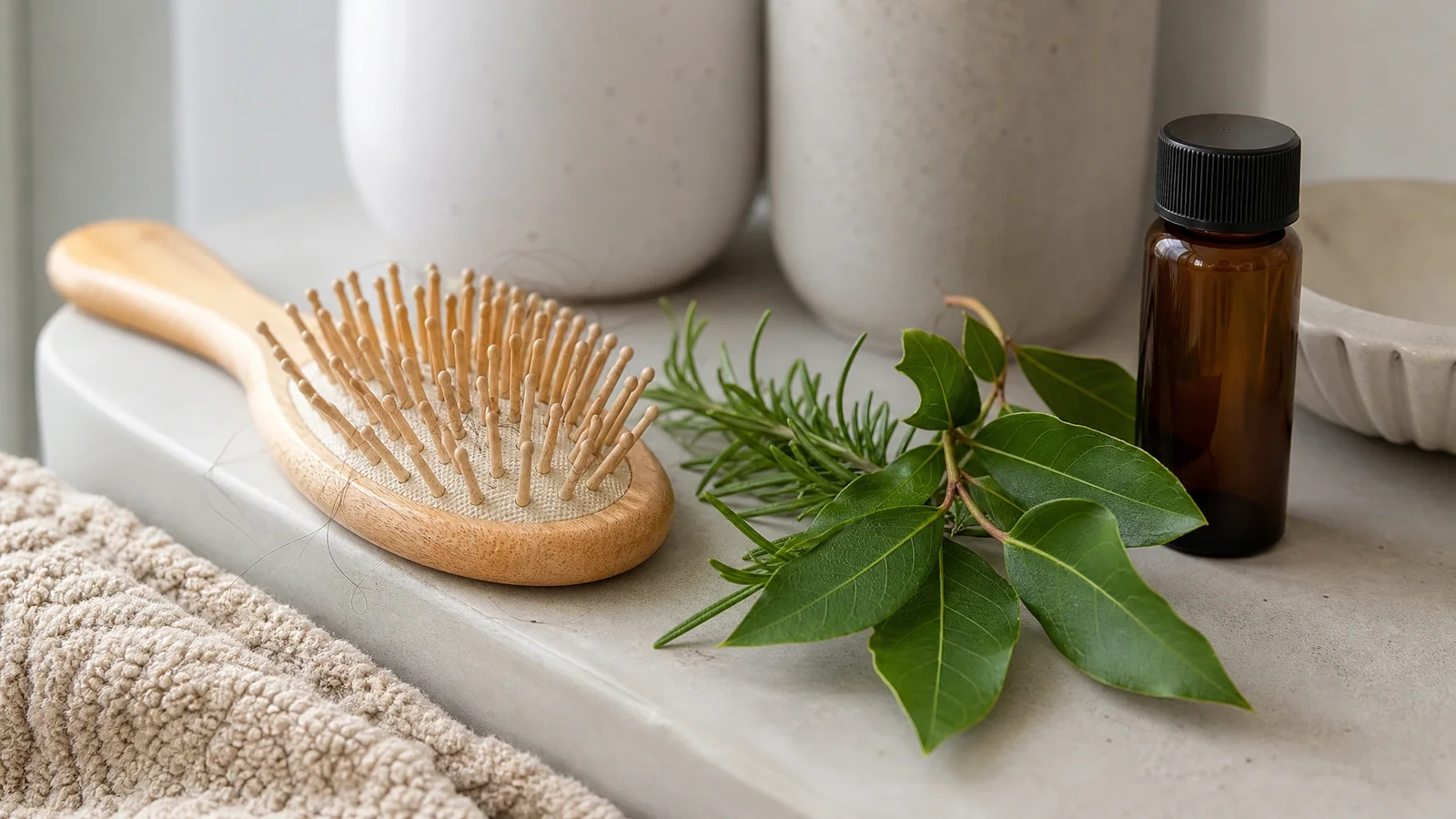
Camphor vs Rosemary Oil: Why They Smell Related
Rosemary can make camphor itself, from almost none to nearly a third of the oil. Learn why the two oils overlap and how to use them as scent.
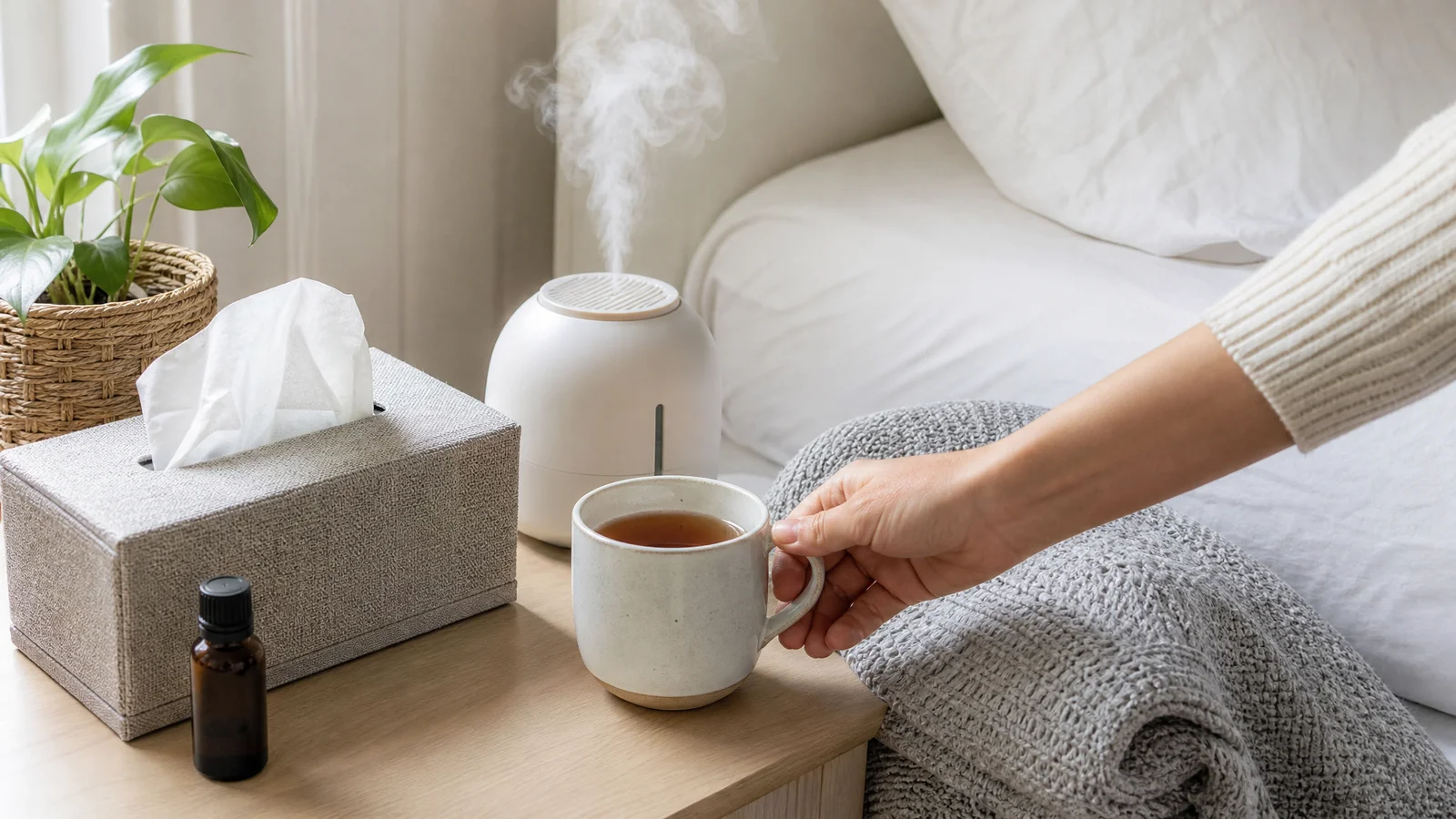
Cooling Scents and Blocked Noses: Sensation vs Airflow
Cold, sharp vapors can make your nose feel wide open while instruments show no change. What the research found, and why little noses need extra care.
Camphor Rub Labels: What the Percentages Mean
Camphor runs from 4% to 11% on popular rub labels. How to read a Drug Facts panel, and why that camphor is not the same as camphor essential oil.
Karpura in Ayurveda: Which Camphor Is Which?
In Ayurveda, karpura named more than one camphor. Learn how the Indian and Bornean trees differ and why the botanical name matters.
Zhang Nao: Camphor in Traditional Chinese Medicine
In traditional Chinese medicine, zhang nao means camphor crystals handled with care. See how sources describe it and where they differ.
Burning Camphor Indoors: Ritual Flame vs Room Freshener
A ritual flame is one thing, burning camphor to freshen a room is another. Here is what the guidance says and a calmer way to enjoy the scent.

Camphor Oil Studies: How to Read the Headlines
Camphor research is mostly about nerve receptors, finished rubs and poison cases. A short tour of what the studies really looked at.
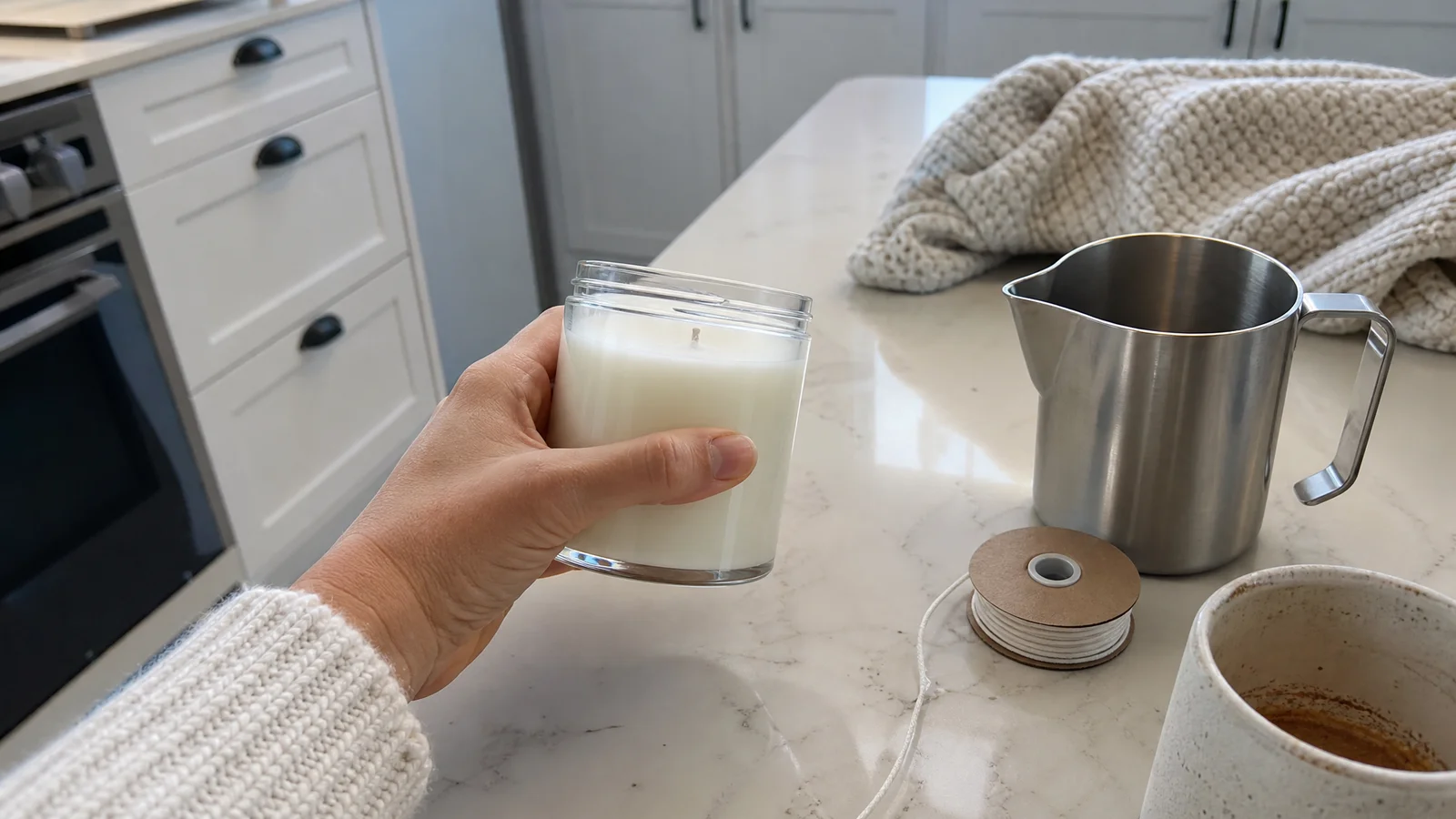
Can You Scent Candles With Camphor Oil? Cold Throw Tips
Camphor oil is thin, bright and quick to fade. See what candle suppliers say about load, heat and rest time, and where it may shine more than a wick.
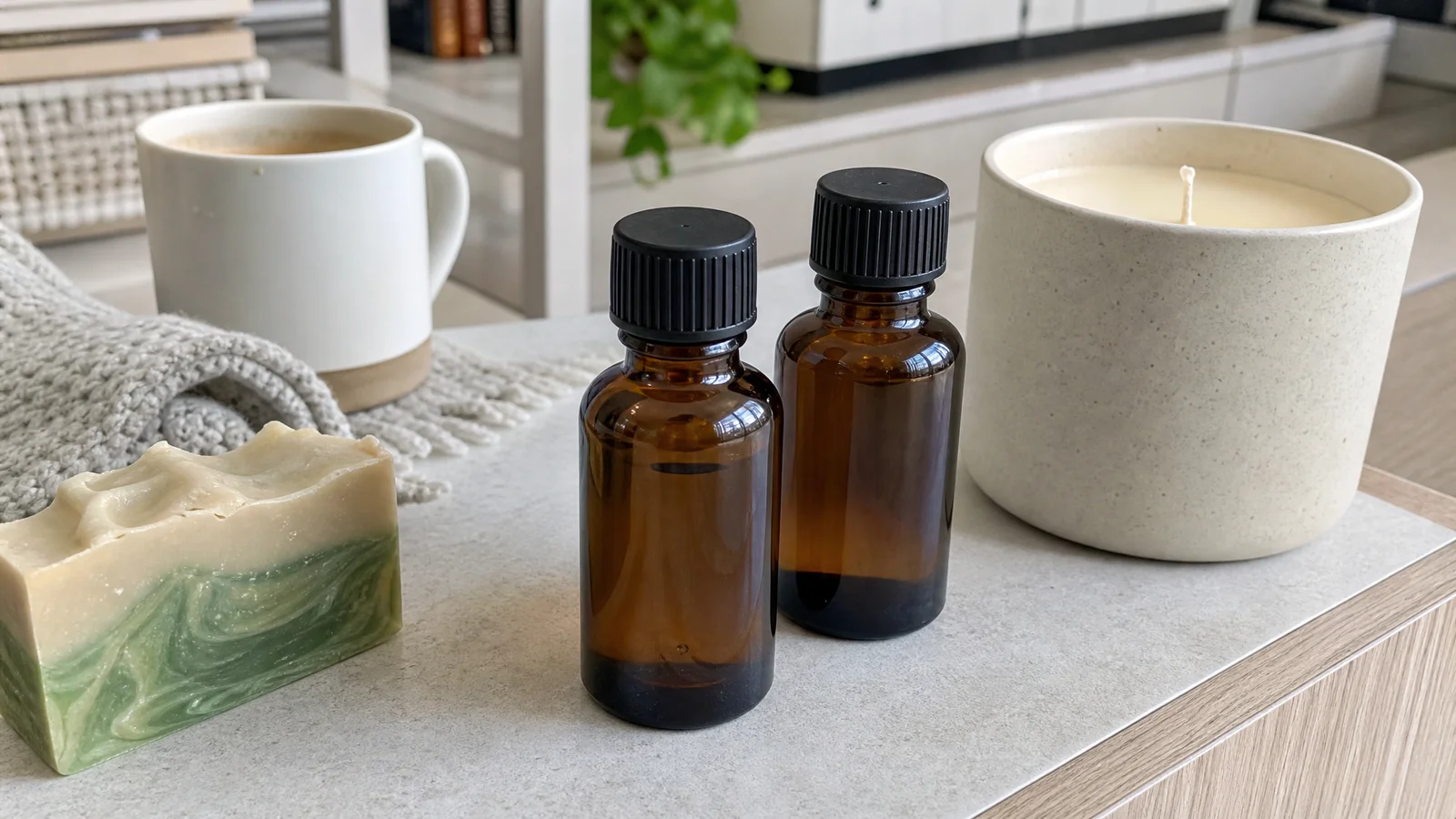
Camphor Essential Oil vs Fragrance Oil for Crafts
Two bottles say camphor, but one is a distillate and the other is a composed scent. Here is how to choose by what your project needs to say on its label.
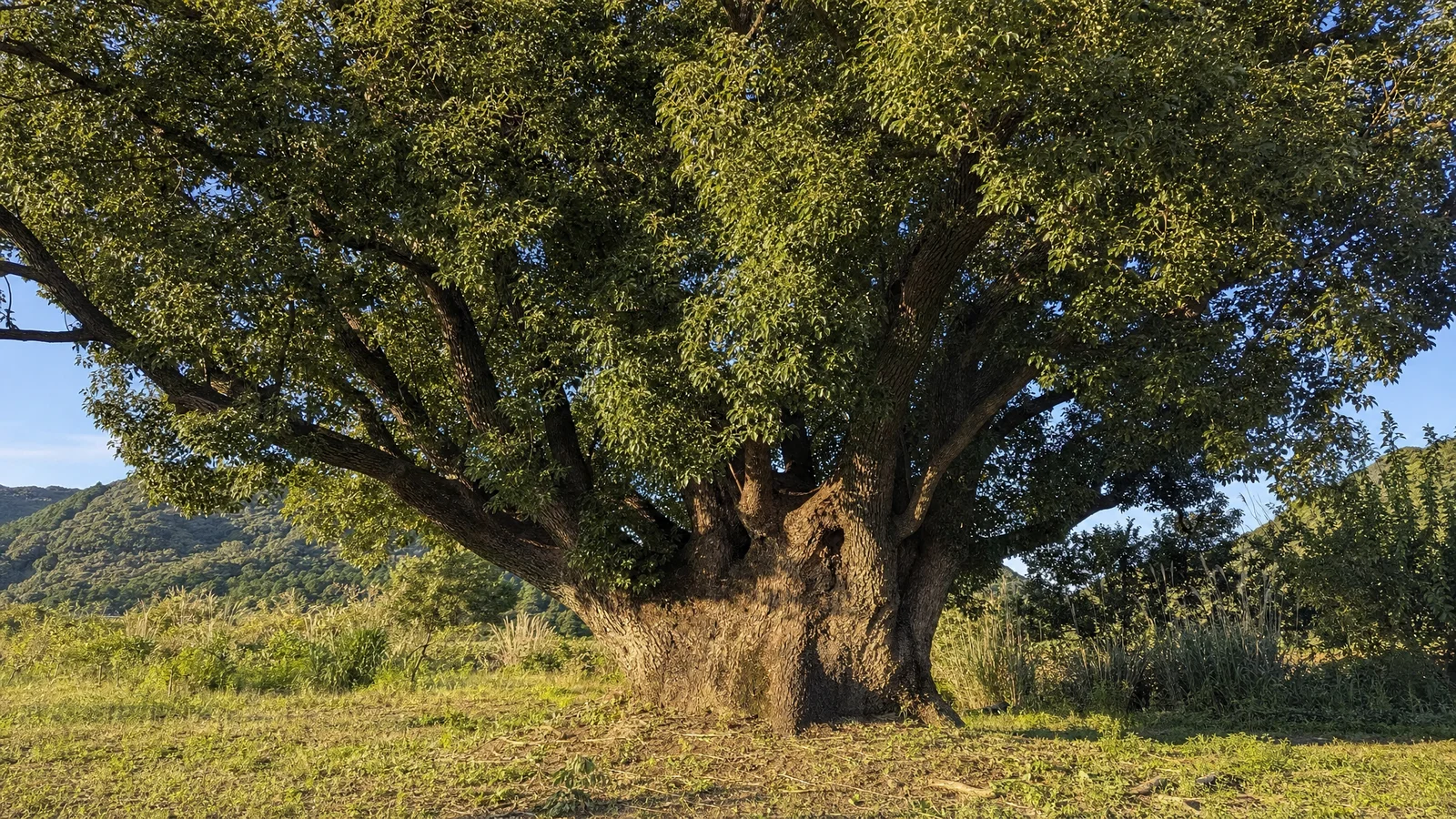
What Is Camphor Oil? Why It Has So Little Camphor
The name suggests liquid camphor, but the oil is something different. Meet the tree, the distillate and the white cut that smells sharp, cool and woody.

Ways to Use Camphor Oil at Home, and Ways Not To
Camphor oil has a few jobs it does beautifully at home, and a few where another product wins. A walk through closets, sprays, candles and measuring drops.
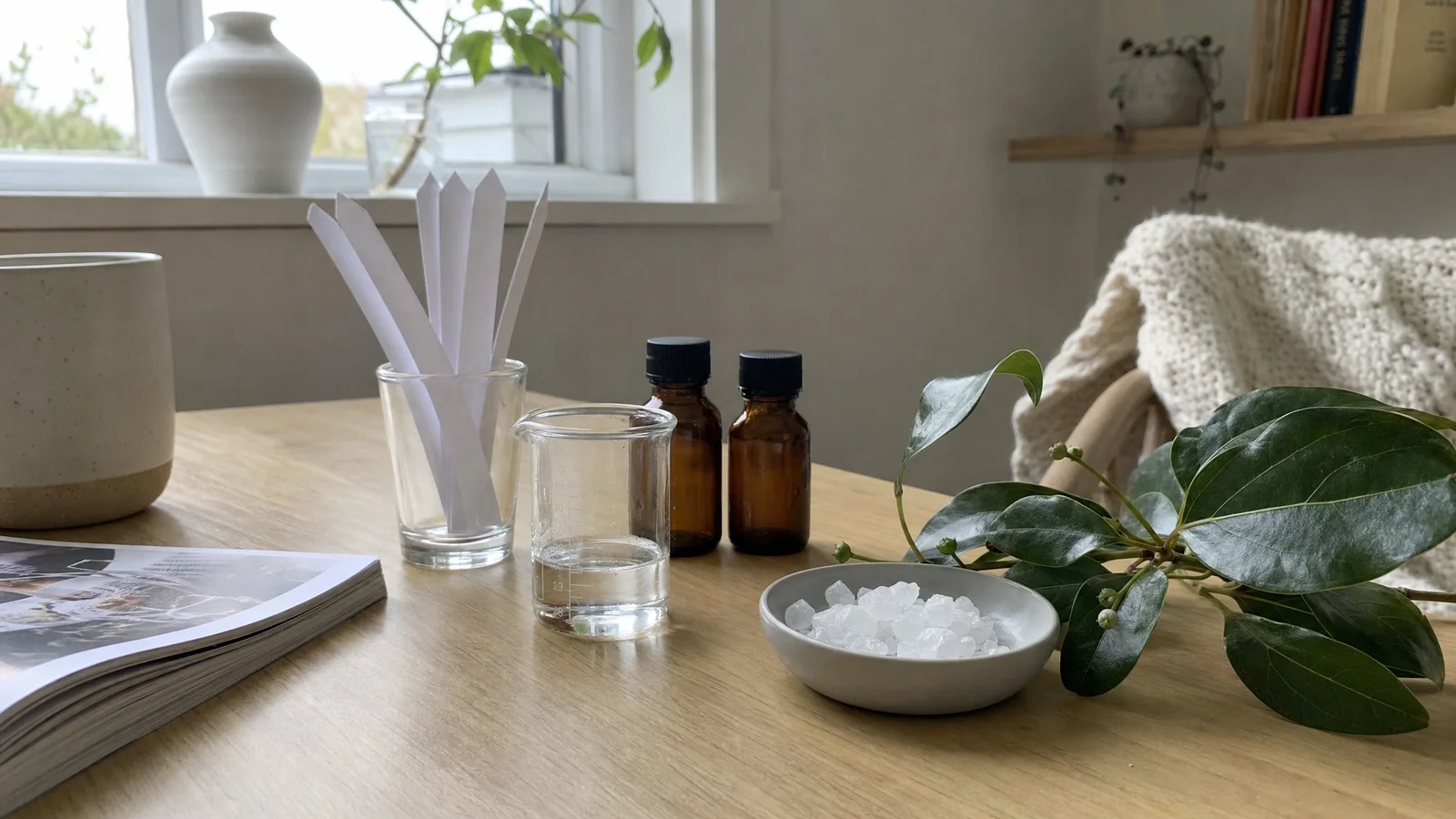
Camphor Oil as a Top Note: When It Earns a Place
White camphor oil is a quick, sharp lift for a blend, not a foundation. Here is when to reach for it, how to size a first trial, and what to pair it with.
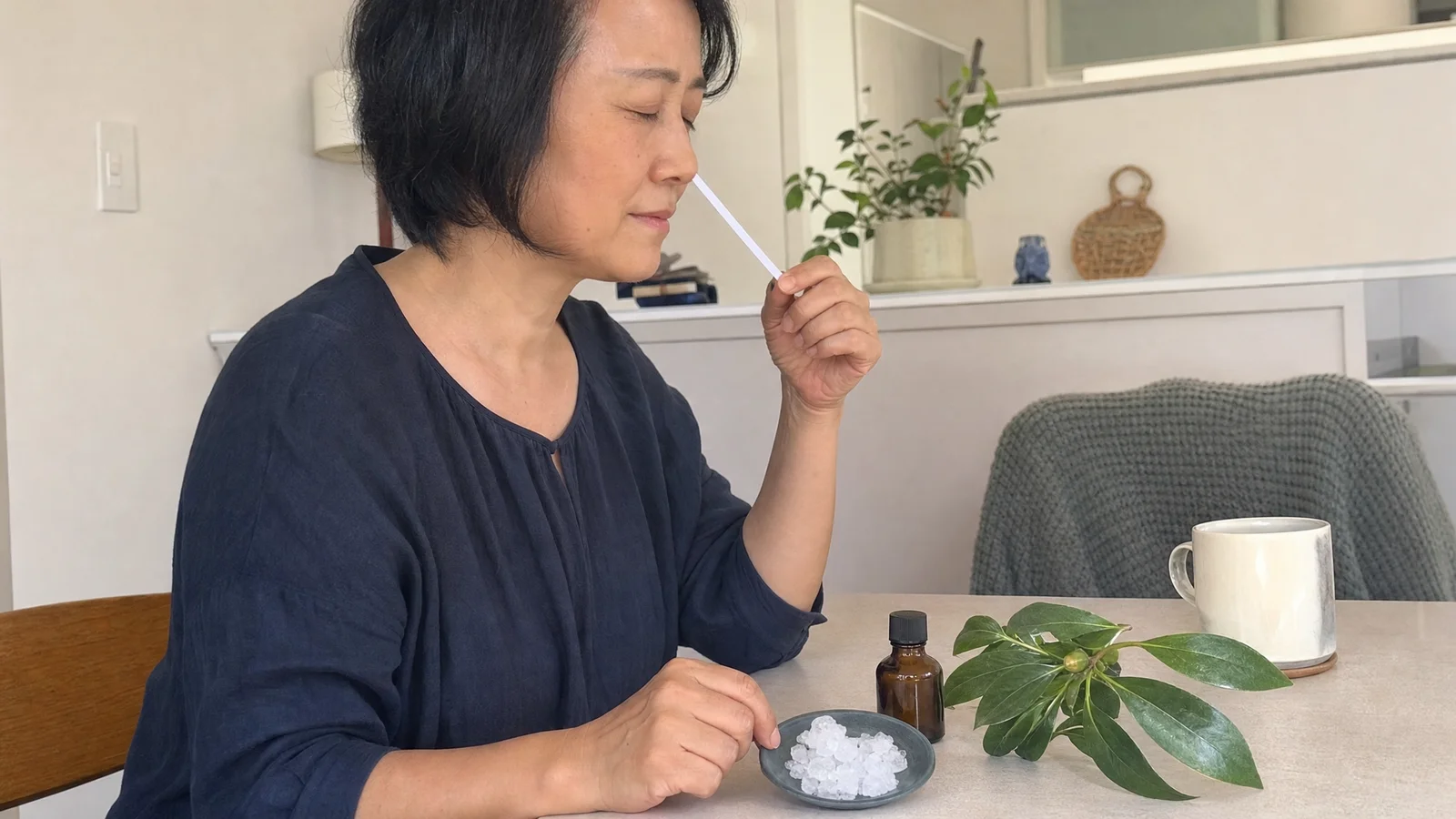
What Does Camphor Oil Smell Like? A Scent Guide
White camphor oil leans toward eucalyptus, lemon peel and pine over a dry base. Here is how to read the scent and how to smell a bottle properly.
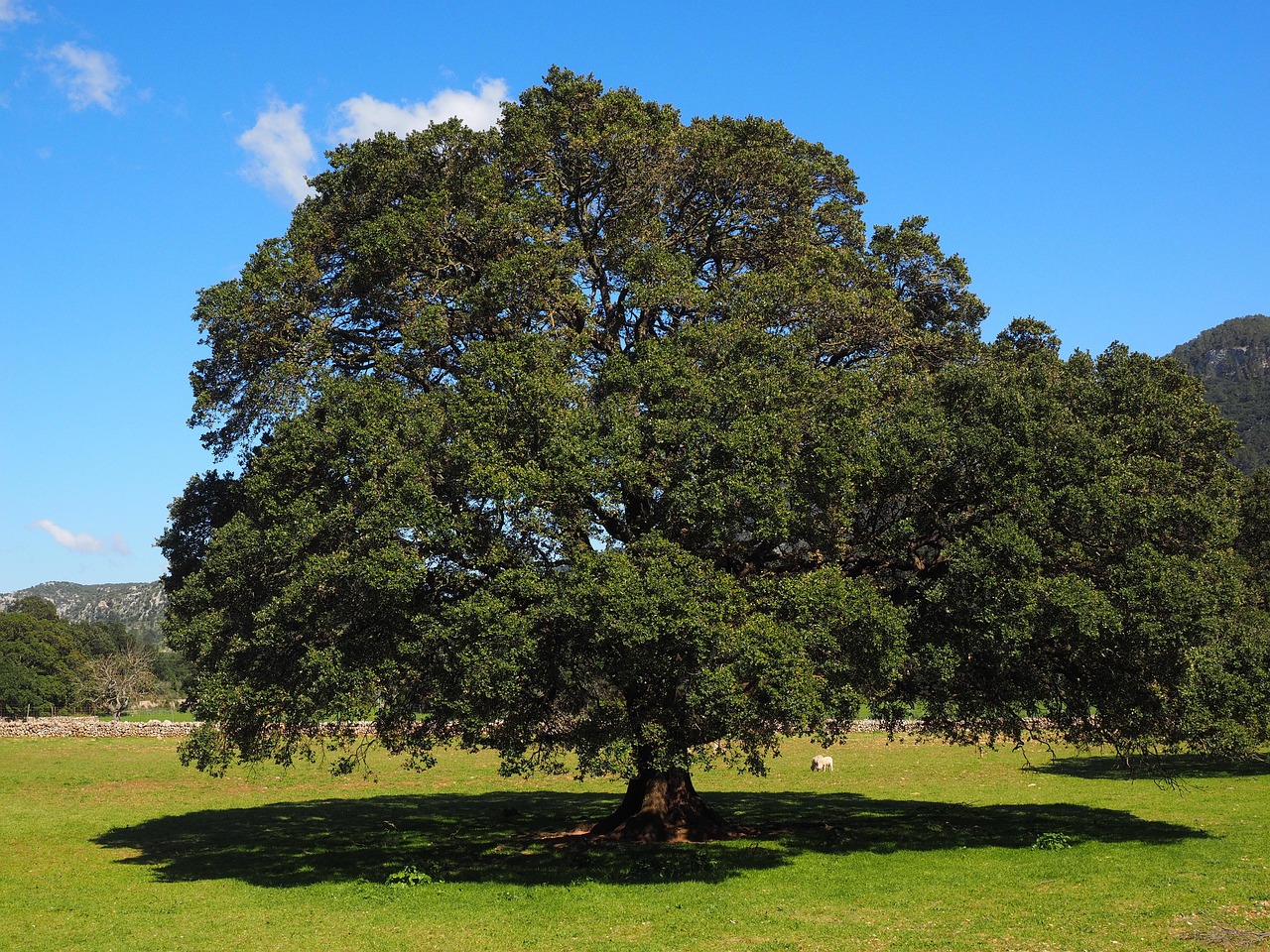
The Camphor Tree: Where Your Bottle Begins
One species gives oils that smell floral, eucalyptus-like or camphoraceous. Meet the tree, and see why its name alone never tells you the oil.
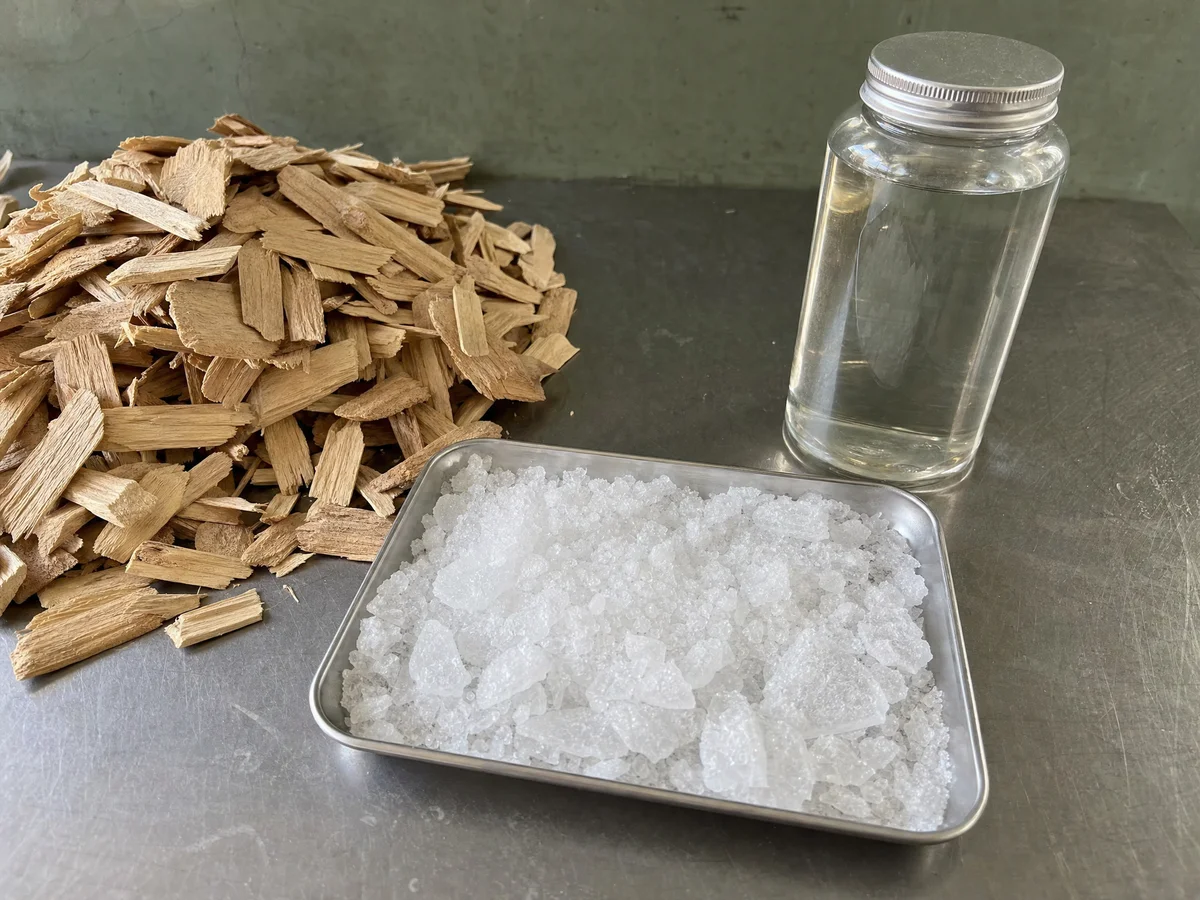
How Camphor Oil Is Made: From Tree to White Fraction
White, brown, yellow, blue: the colour names on camphor oil are cuts from one distillate. Here is how it is made and why the white cut is the one for us.

Camphor History: From Borneo Resin to Modern Still
Medieval camphor was a rare resin from a different tree. Follow its path to the camphor laurel, Taiwan's forests and the modern still.
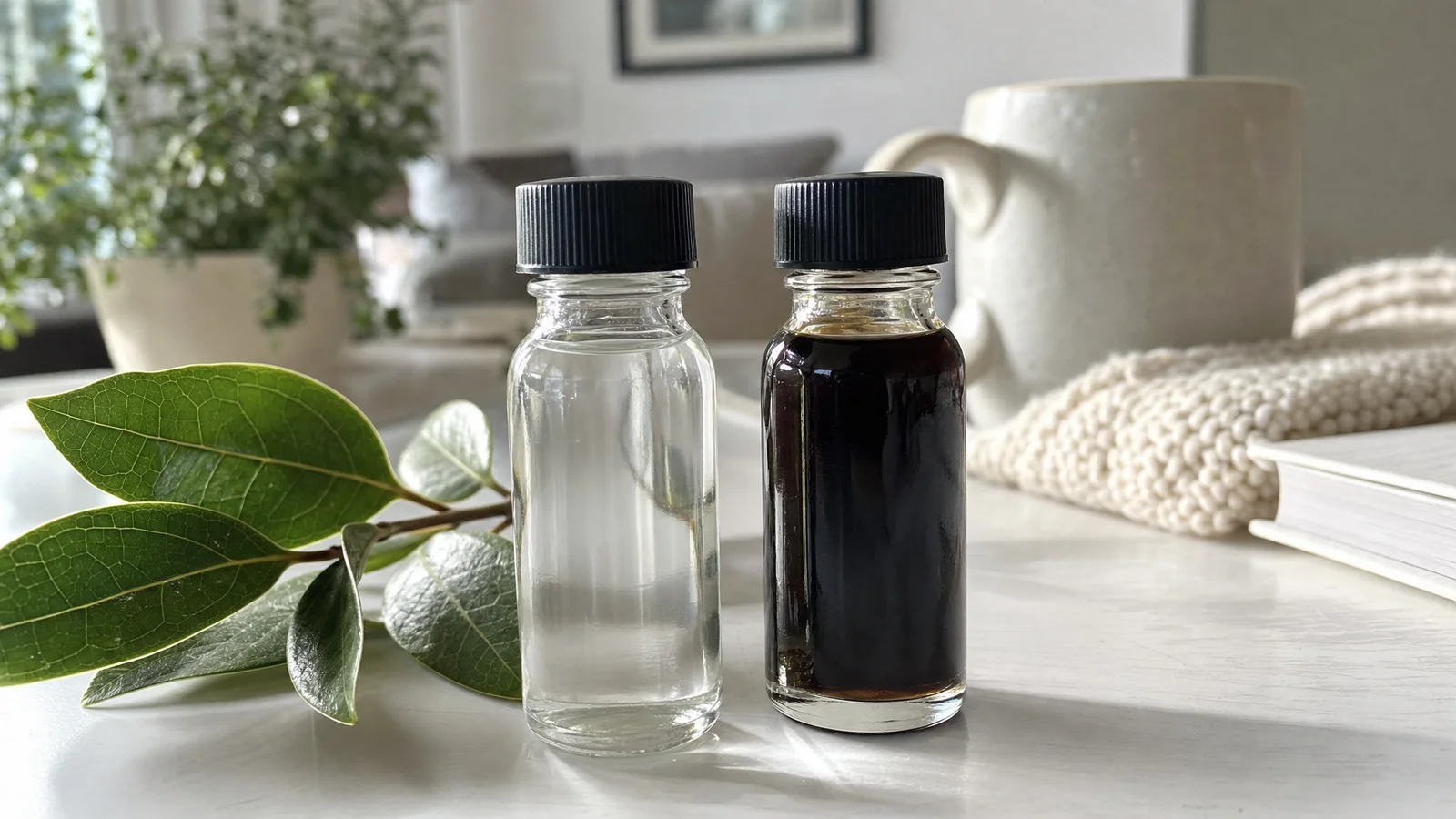
White vs Brown Camphor Oil: Which Cut Is Which?
White and brown camphor oil are not good and bad versions of one product. They are different cuts with different uses, and the colour tells you a lot.

Camphor Oil FAQ: Straight Answers Before You Order
What camphor oil is, how white differs from brown, how it smells, how to dilute it and keep it, and the care it needs around children and pets.

Camphor Oil in the Closet: A Safe Scenting Guide
A walk through freshening a wardrobe with camphor oil, from emptying it to closing the door, with the oil held on a pad and kept off the clothes.
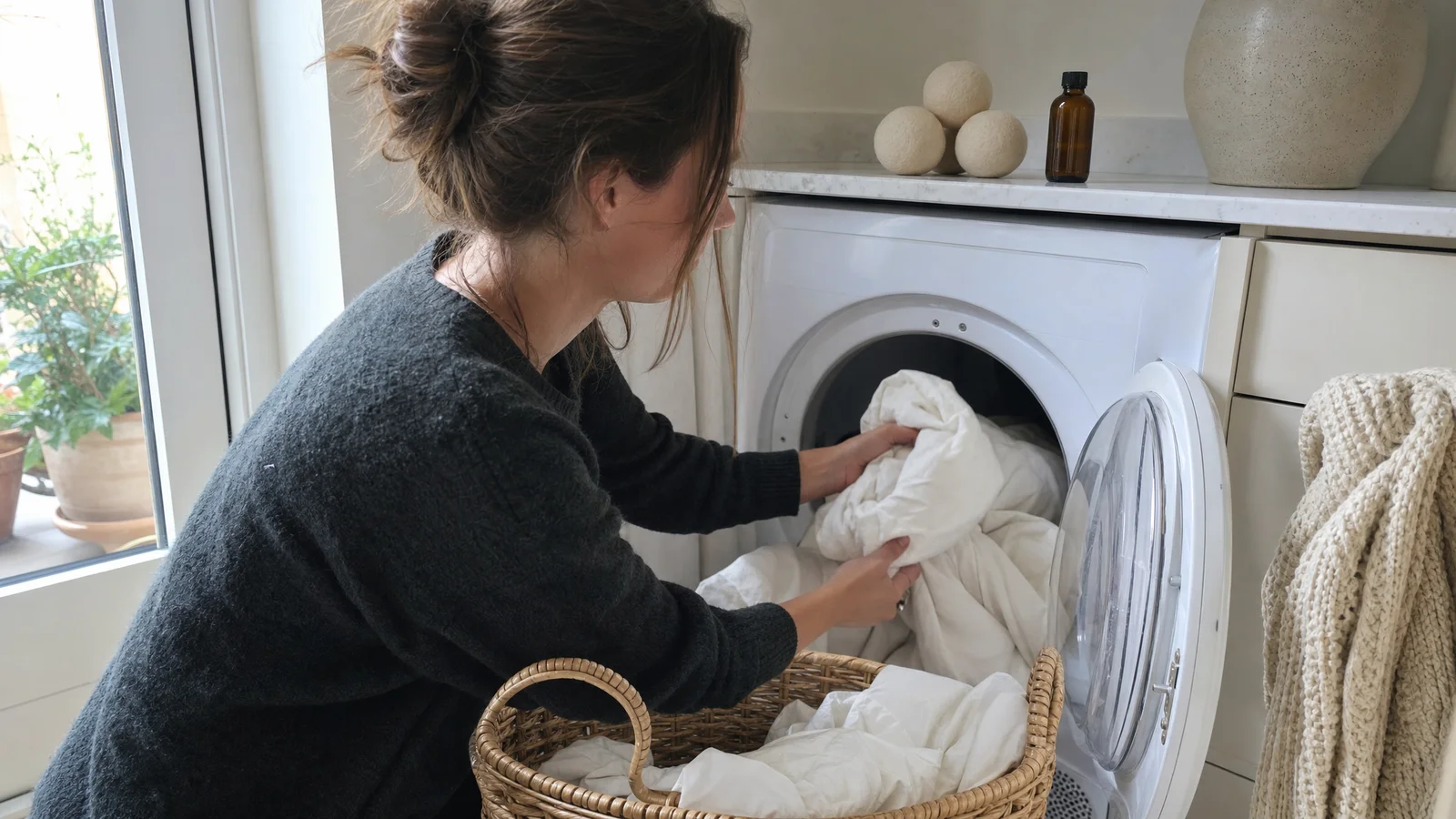
Camphor Oil on Linens: Scent Them After the Dryer
The popular tip is a few drops on a dryer ball. Here is why we scent the linen shelf after drying instead, and how to keep the oil off the cloth.

Camphor Diffuser Blends: 3 Pairs, One Drop
One drop of camphor beside two of a partner oil is all a diffuser blend needs. Three pairings, how to run them and who should leave camphor out.

Camphor Oil on the Scalp: Ground Rules First
Camphor oil has a crisp, cooling aroma, but the scalp is not forearm skin. Here is how it absorbs, how we suggest diluting, and who should leave it alone.
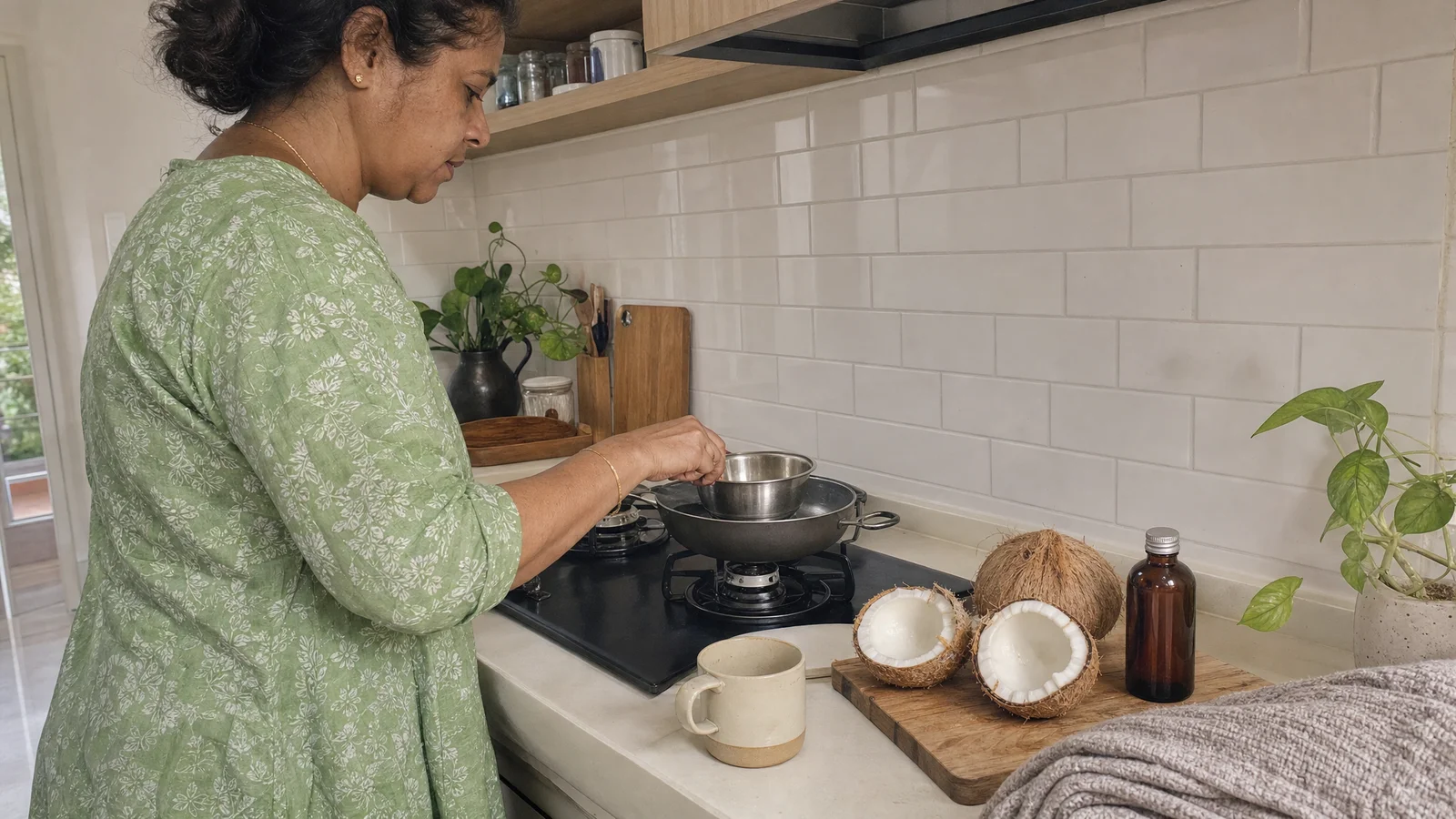
Camphor and Coconut Oil: A 2-Ingredient Body Oil
Two ingredients, no water, one number that matters: the camphor percentage. Weights and drops worked out for a 30 g jar, with a simple method.
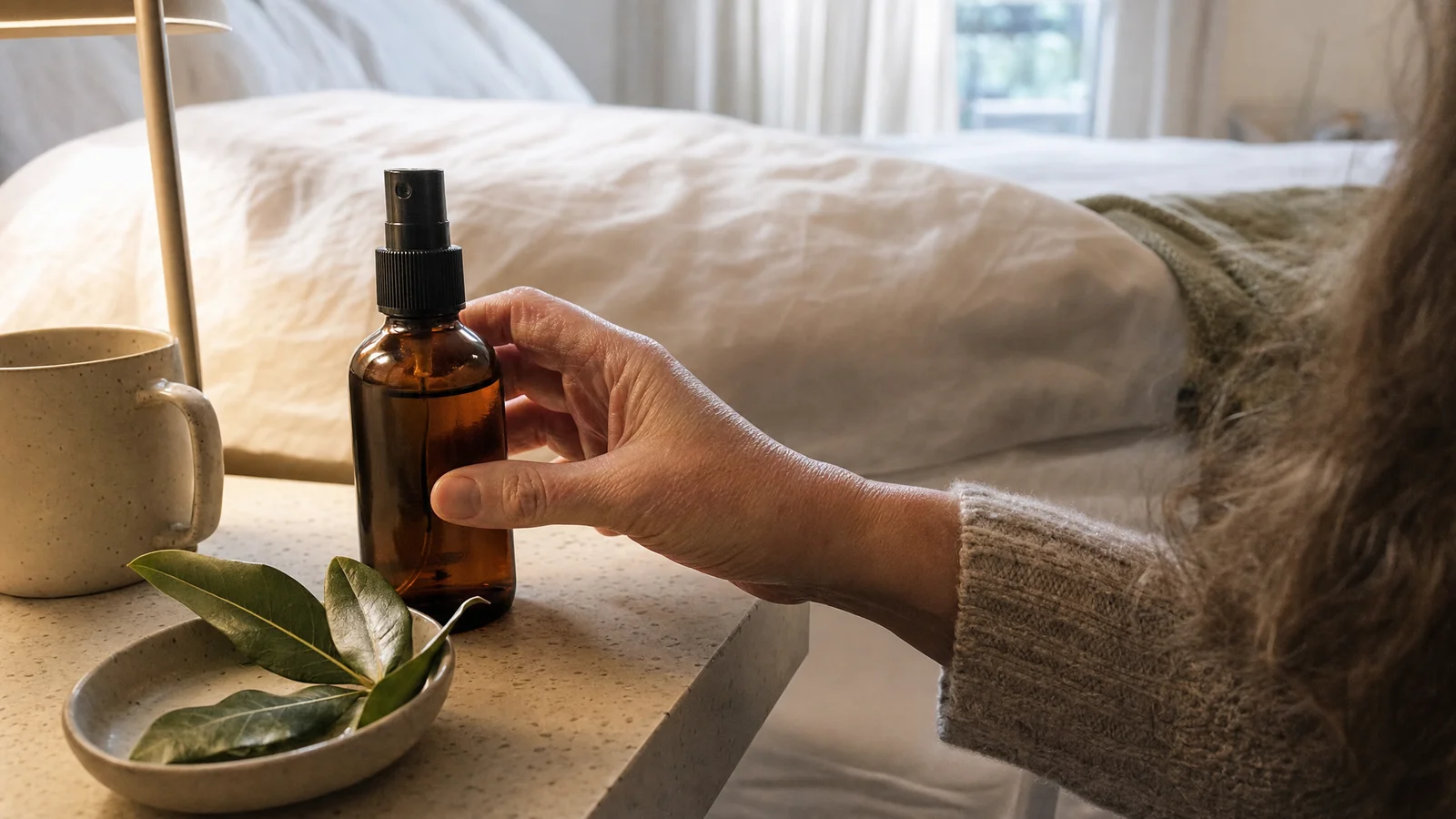
DIY Camphor Room Spray That Actually Mixes
Camphor oil shaken into water just floats. Here is a room and linen spray worked out by weight, with the solubilizer and preservative most recipes skip.
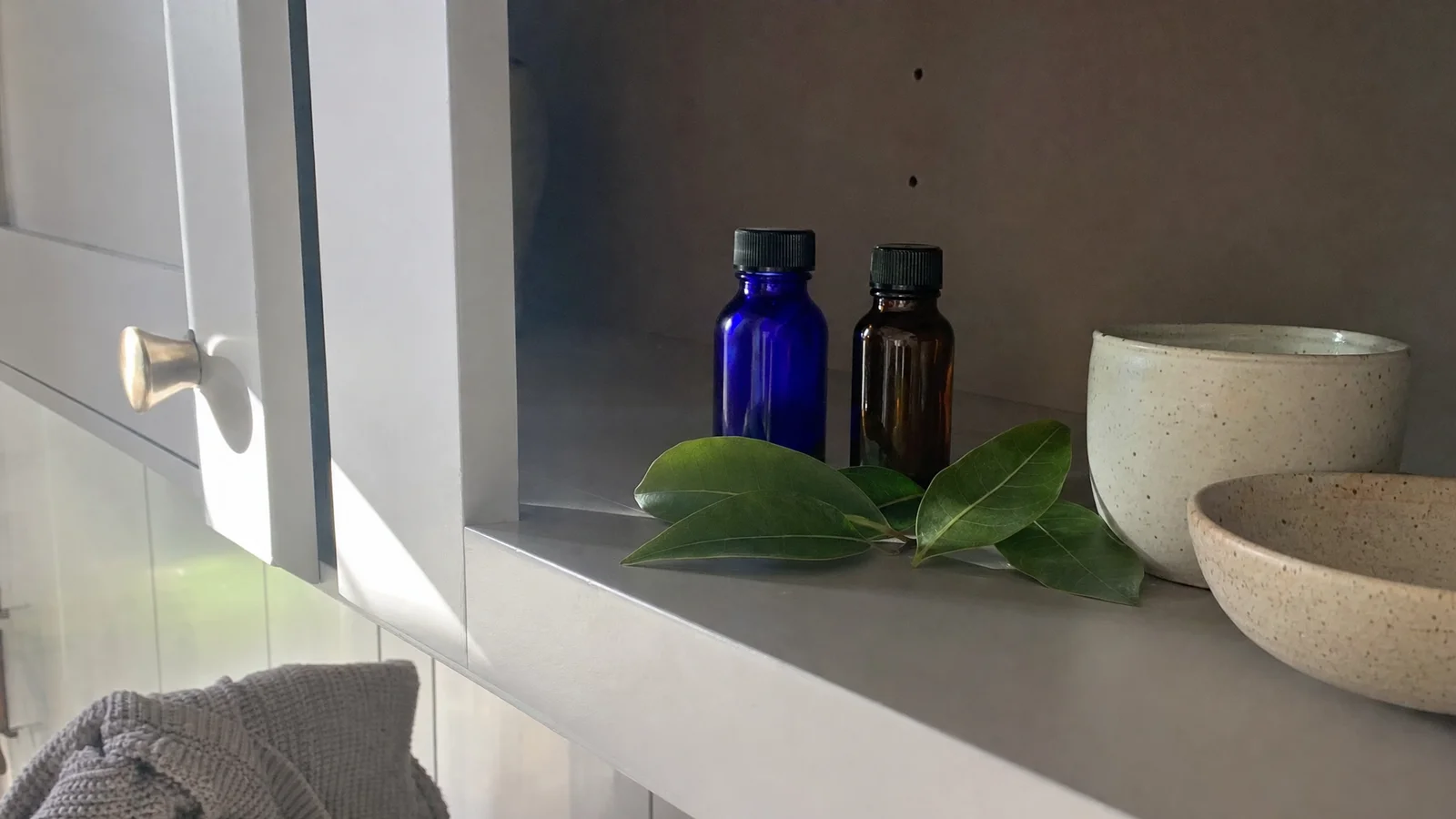
How to Store Camphor Oil So It Stays Fresh
Crystals in the bottle are normal. Here is where to keep camphor oil, why air matters, and how to tell when an older bottle should retire from skin use.

3 Holiday Diffuser Blends With a Whisper of Camphor
Orange, fir, lavender and frankincense with one drop of camphor in a 20-drop stock vial. Three seasonal blends and the simple arithmetic behind them.
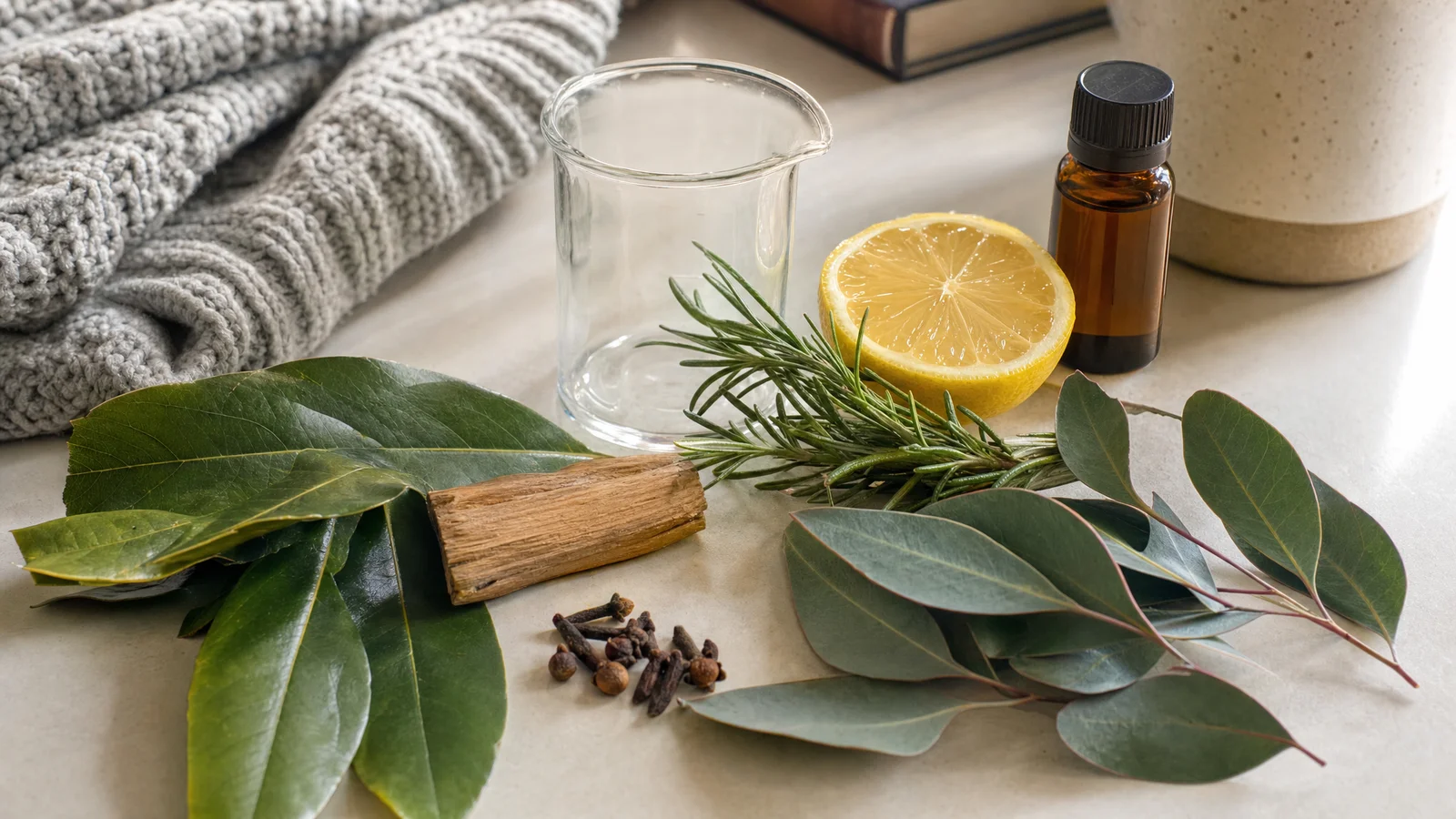
What to Blend With Camphor Oil: Pairings by Goal
Pick a camphor partner by the job: louder cool with eucalyptus, brighter with citrus, greener with conifer, rounder with lavender, longer with cedarwood.
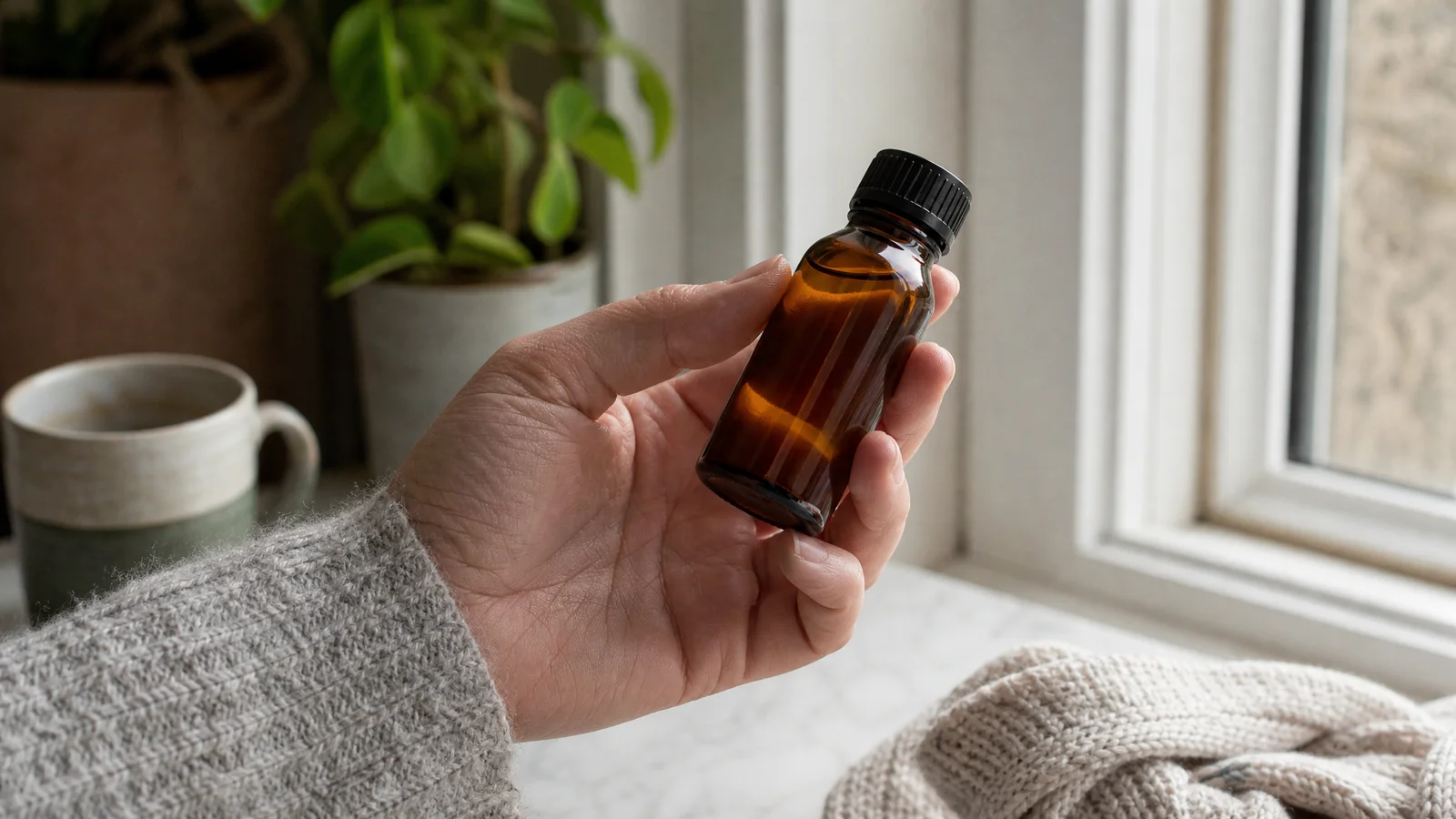
How to Buy Camphor Oil: What to Ask the Seller
The word camphor oil does not name a product. Six questions on cut, certificate, tree type and packaging help you see what is really in the bottle.
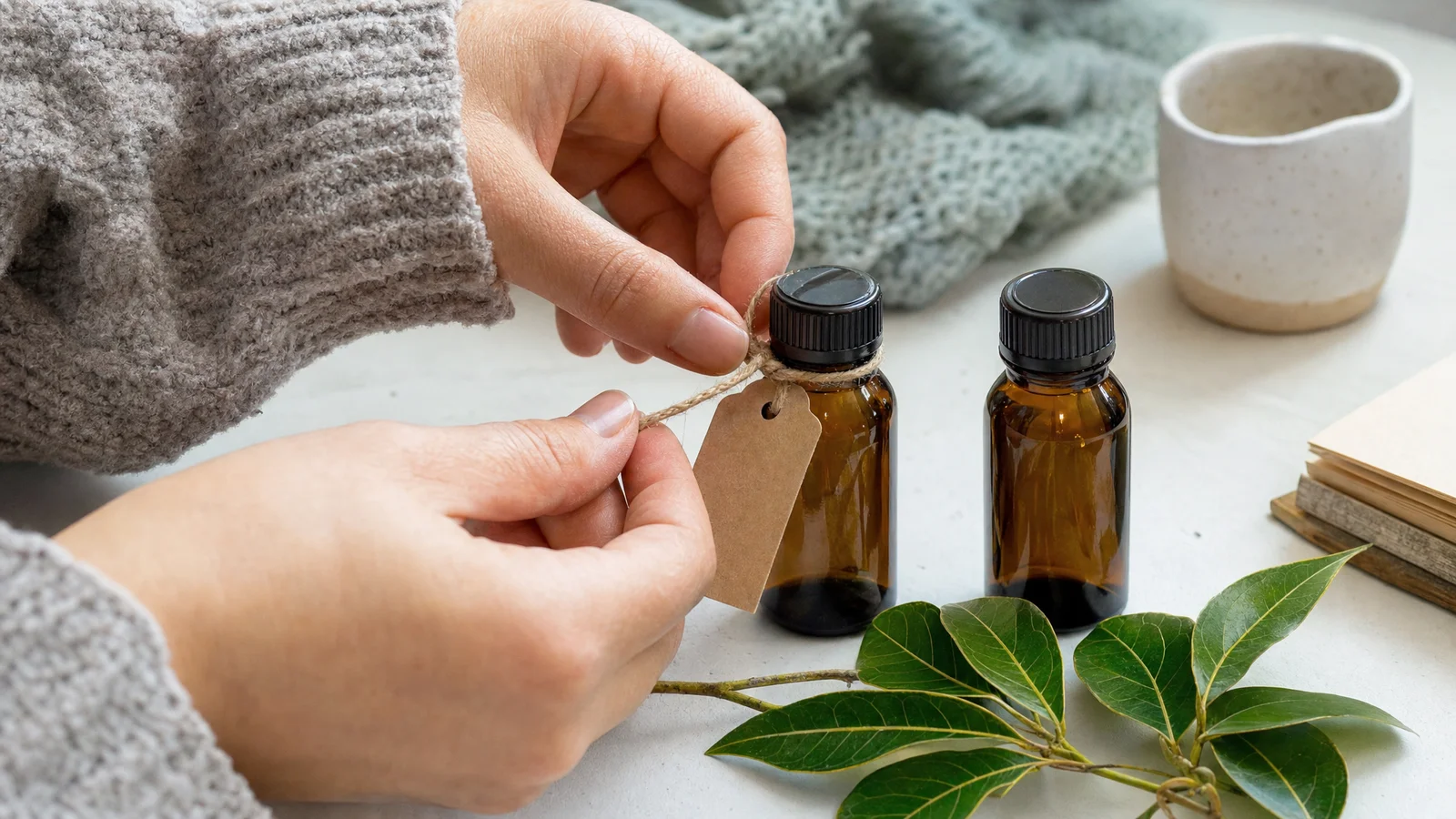
Organic Camphor Oil: Does the Label Matter?
Organic describes how plants were grown, not which cut is in the bottle. What the label covers for camphor oil, and when it is worth paying for.
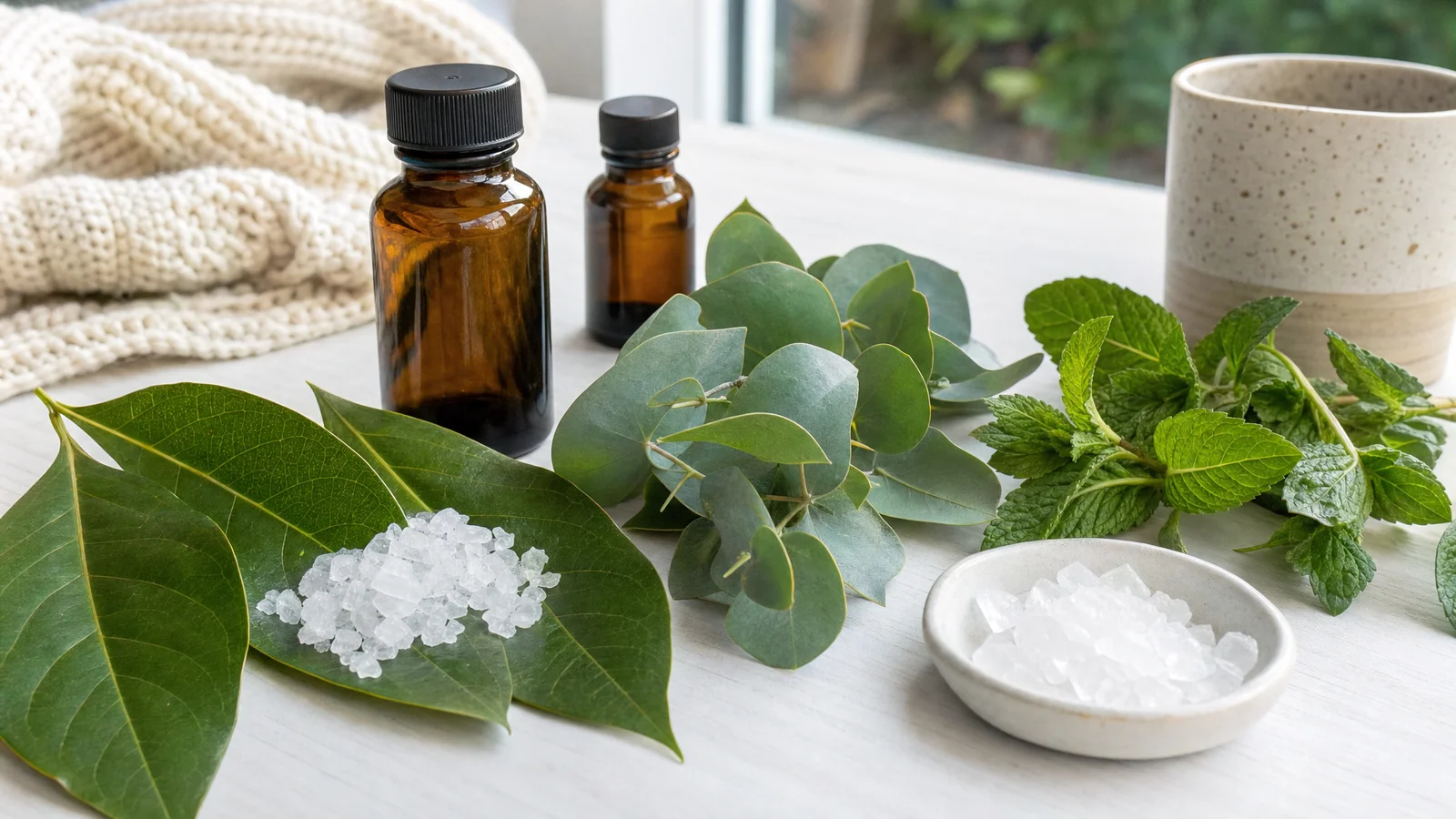
Camphor vs Eucalyptus vs Menthol: Cool, Compared
Camphor and eucalyptus share a cineole backbone, while menthol is a sweet minty crystal. Here is how the three differ and which job each one suits.
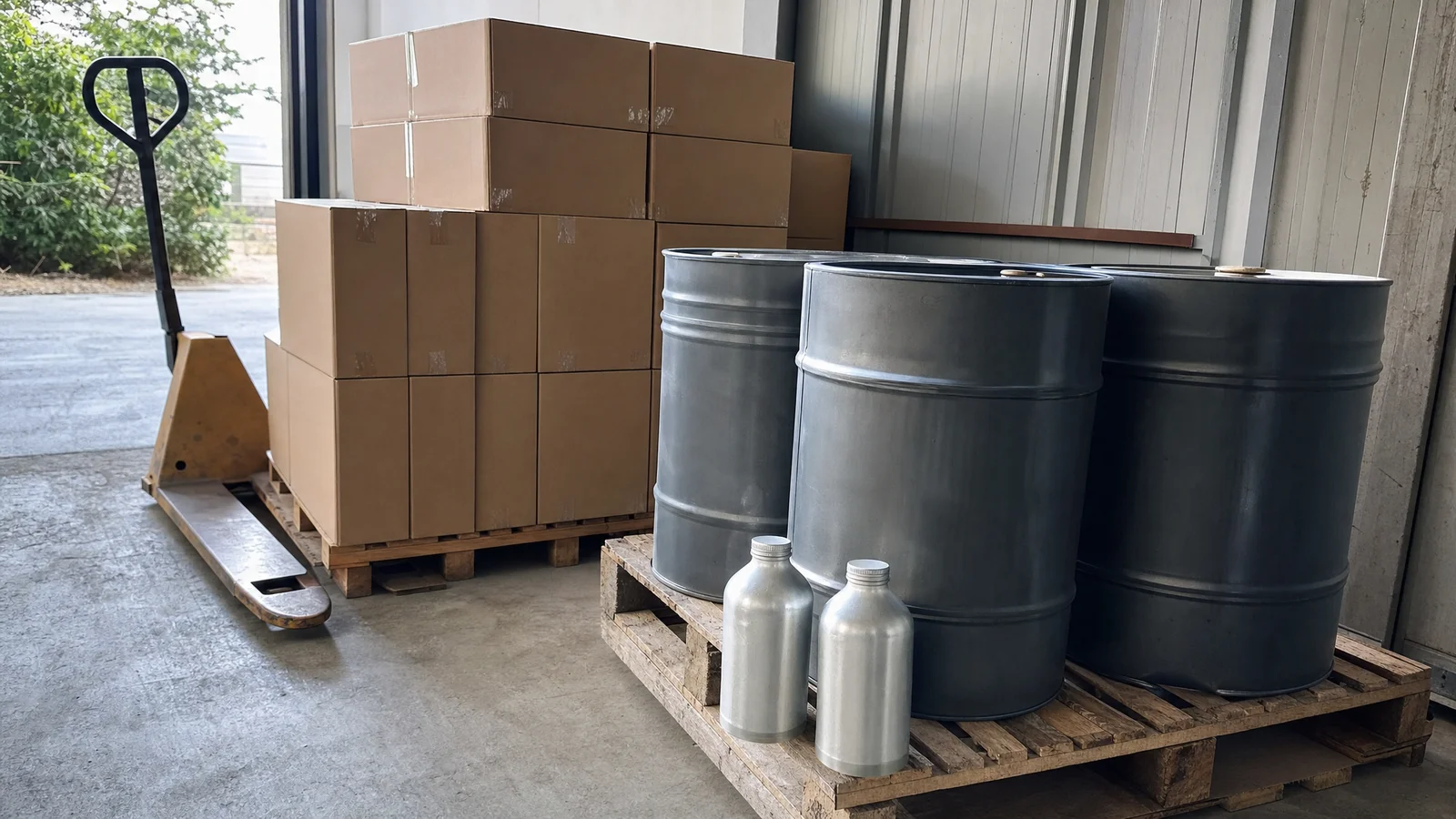
Why Camphor Oil Prices Vary So Much: What to Check
Two bottles, both called camphor oil, can differ wildly in cost. The cut, the tree and a quiet trade explain why, and what to check.

Camphor Oil Bottle Sizes: How Much Do You Need?
A drop count for every bottle size, a skin dilution example, and the freshness rule that decides whether the bigger camphor oil bottle is really a bargain.

Buying Camphor Oil Online: 7 Questions to Ask First
Match camphor oil to the job, know what a batch certificate proves, and send the right written questions to any seller before you order online.