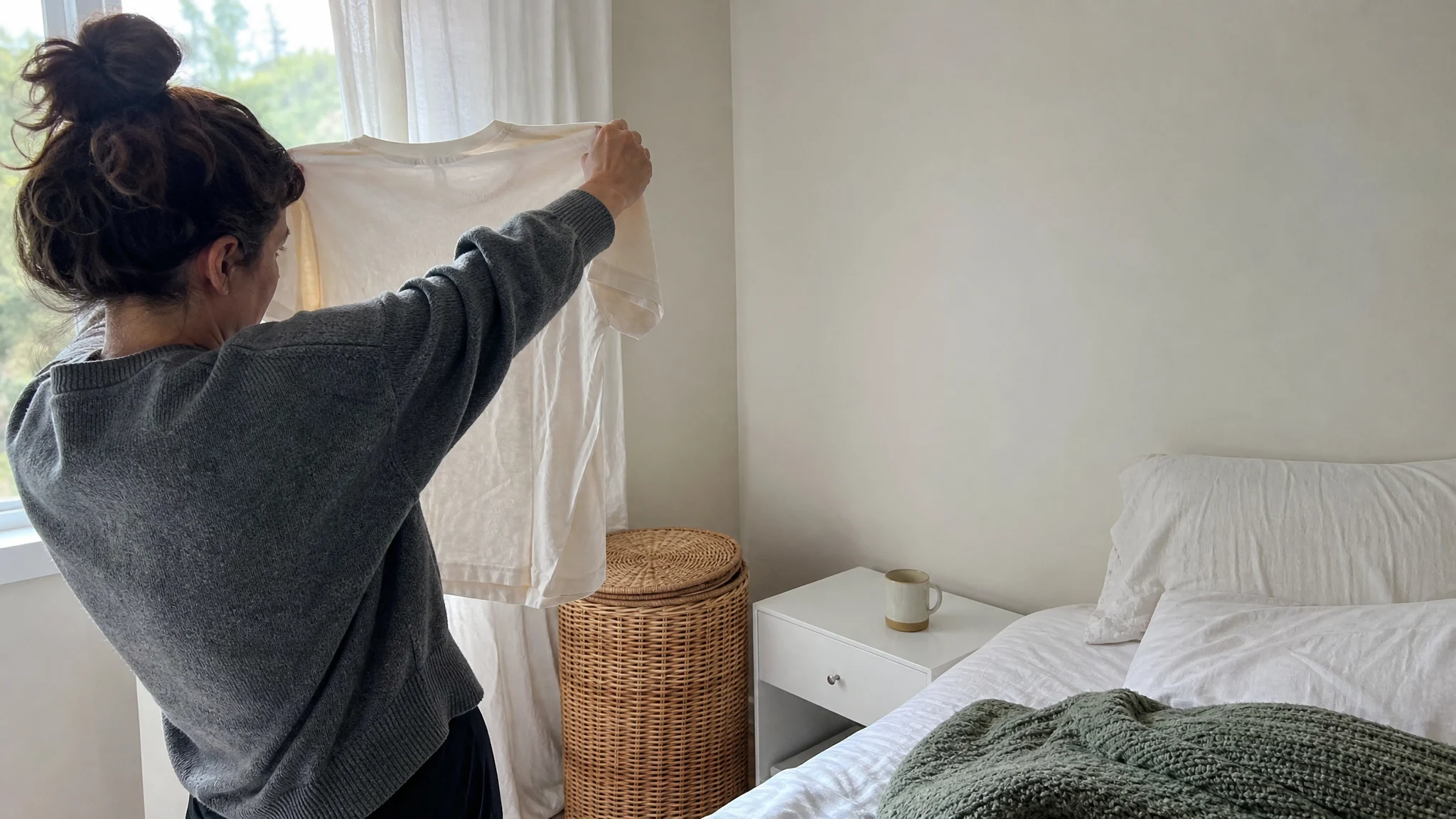
Does Camphor Oil Stain? Getting It Out of Fabric
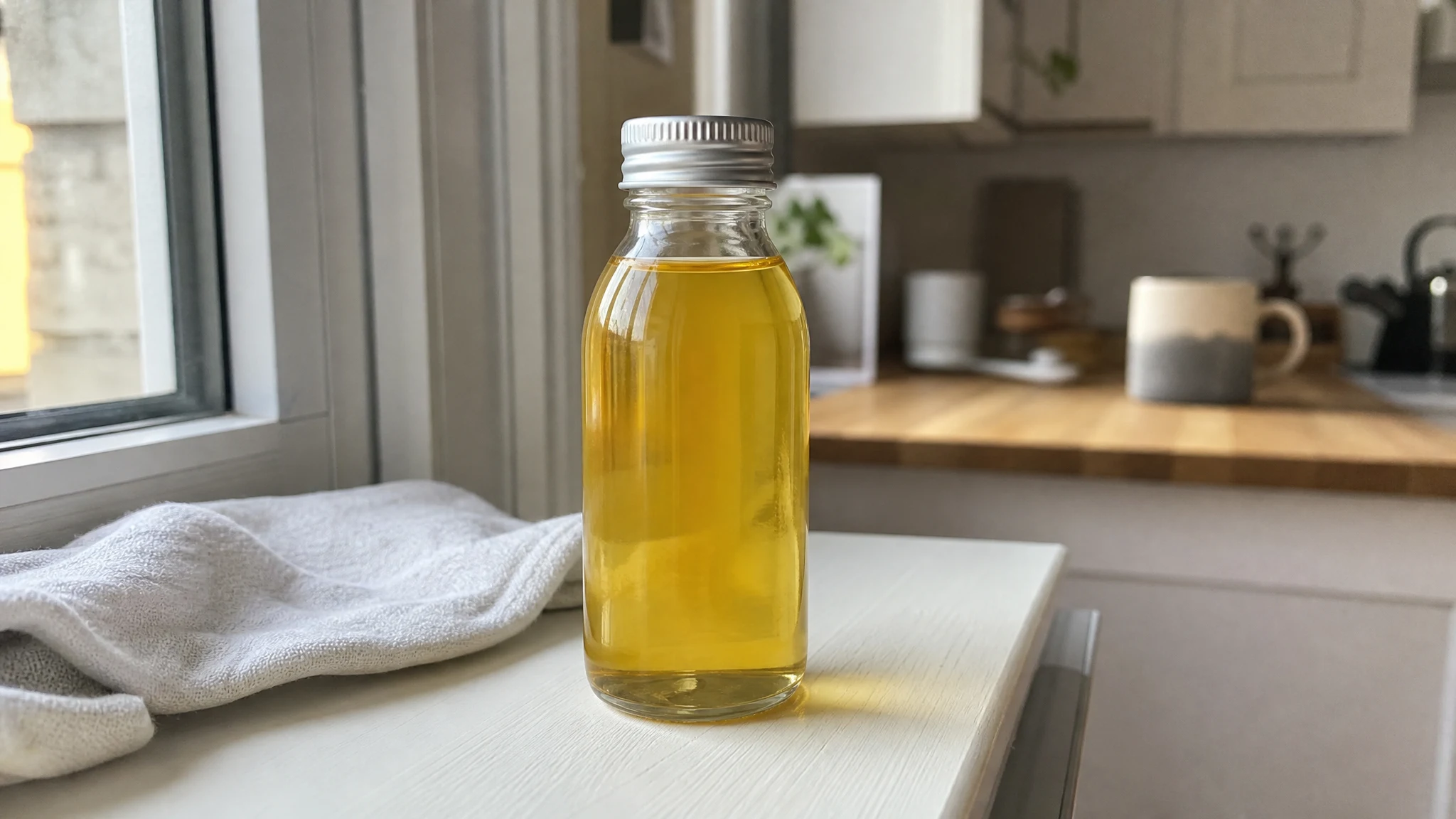
It takes one slip. The cap is loose, a drop runs down the neck, and a small dark patch spreads across the sleeve of a cotton shirt before you have found a tissue. Camphor oil is thin, clear and quick to move, so it is easy to be caught out, and the good news is that fabric forgives it more often than it first seems to.
Camphor Essential Oil
Our own Camphor Essential Oil, in sizes from 0.5 oz to bulk.
From $9.99
Shop Now →What kind of mark to expect
An essential oil is an oil, and on fabric it behaves like any other: it wets the fibers and leaves a translucent, greasy-looking patch. Camphor oil is a clear liquid, so on most fabrics you are dealing with that grease mark, not a dye. We would not promise the oil will never leave a trace on a particular garment, and no honest seller of any oil can. Because camphor oil is thin and volatile, part of it evaporates, but the oil that soaked deep into the weave tends to stay, so do not wait for it to disappear on its own.
Treat it like any oil stain
The University of Georgia Extension guidance for oil on apparel is a good template, and the steps are simple:
- Blot, do not rub. Put a clean absorbent material, such as a folded white cloth or paper towel, under the stain so the oil has somewhere to go besides further into the garment.
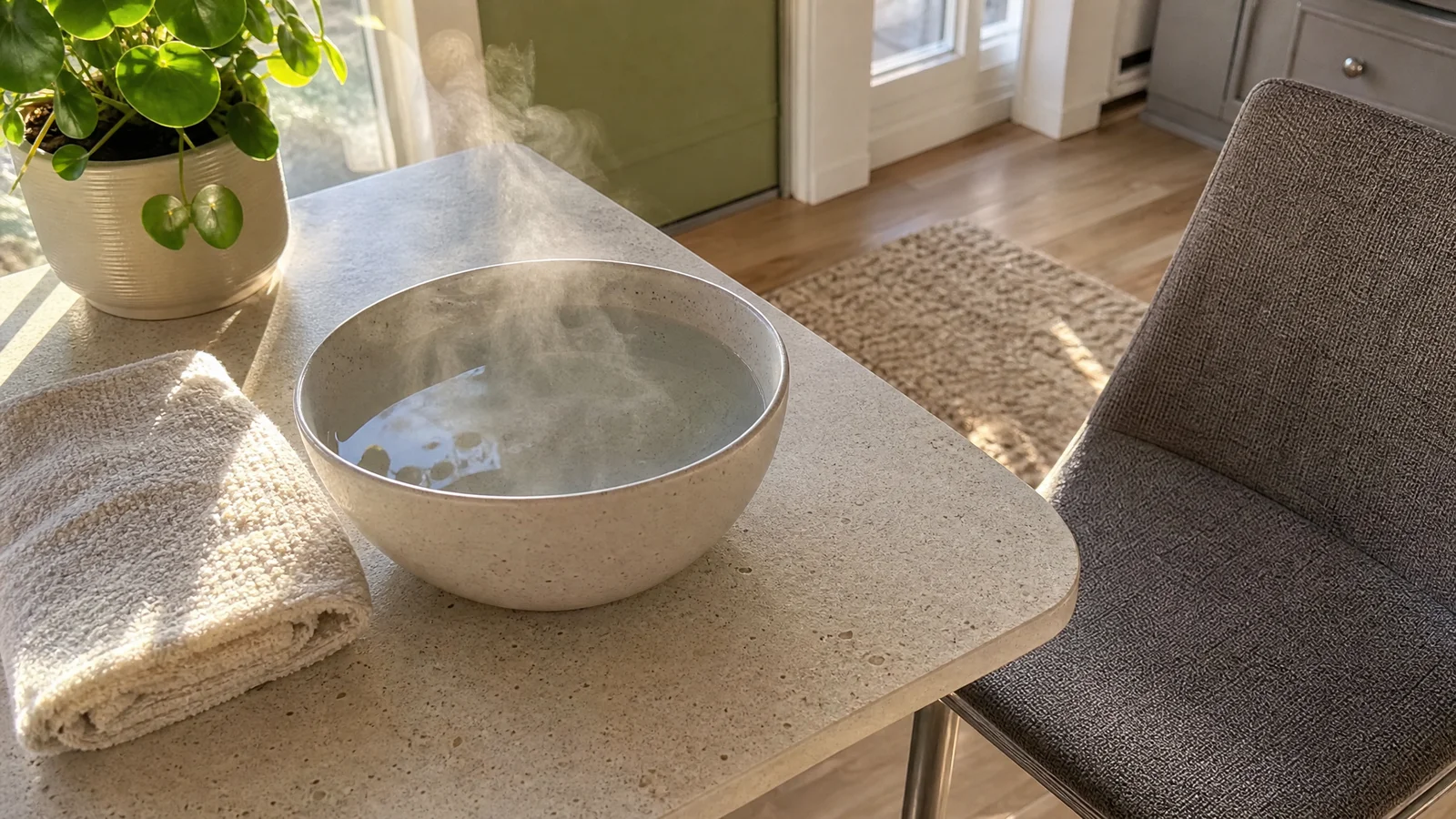
- Sponge with water, then work in a little diluted hand dishwashing detergent. Dish detergent is built to lift grease, which is exactly what you have.
- Cover the spot with a pad dampened with the same mixture, and change the pad as it picks up the stain.
- Flush with water and repeat until nothing more lifts.
Before any of this, read the care label and test your cleaning mixture on an inside seam or hem. Extension guidance is firm on both points, and a faded color is a worse outcome than a faint oil mark.
Washing and drying are where people slip
Once the spot looks clear, wash the garment as the label allows. Check the fabric in daylight while it is still wet, because oil often disappears when damp and shows again as it dries. If a ghost is left, treat it again before the dryer. Heat is not your friend with grease, and there is a second reason to be careful: a loss-control guide from an insurance group warns that linens soaked in oils can ignite after washing, and recommends washing at no less than 104 degrees Fahrenheit and drying on low heat, below 125 degrees. That guidance is written about massage oils and does not mention camphor, but it is the reason we would air-dry anything that still smells strongly of oil, and keep a lightly stained item out of a hot load. Our article on scenting linens covers the dryer side in more detail.
When to hand it to a professional
Silk, wool, leather, suede and anything marked dry-clean-only should go to a professional cleaner, and the sooner the better. Tell them what the stain is. Do not try the detergent method on these first, since water and detergent can leave their own marks.
For upholstery and carpet, blot up as much as you can, test a hidden corner before using any detergent solution, and avoid soaking the material. It is easy to overwet them, and the foam and backing underneath do not like that.
Surfaces
On sealed counters and tile, wipe the drop with a paper towel, then a damp cloth with a little dish detergent, then a clean damp cloth. On finished wood, stone, painted surfaces and plastics, blot immediately and test a hidden spot first, since finishes vary. If it is a valued piece of furniture, ask the maker or a restoration professional before you reach for any cleaner.
Avoiding it next time
Most spills happen at the decanting step. Do it over a sink or a tray with a lip, with the bottle on a saucer, and wipe the neck before capping. Keep the bottle upright and capped between uses; our storage guide explains why, and the closet scenting article shows how to scent a space without putting oil on anything you wear. If you are making a spray, this recipe uses water that mixes properly, which means fewer surprises on fabric.
A small stain is a nuisance, not a disaster. Blot early, use dish detergent, test first, and let a cleaner handle the delicate pieces.
Camphor Essential Oil
Camphor Essential Oil from our own shop, in sizes from 0.5 oz to bulk.
From $9.99
Shop Now →