Zhang Nao: Camphor in Traditional Chinese Medicine
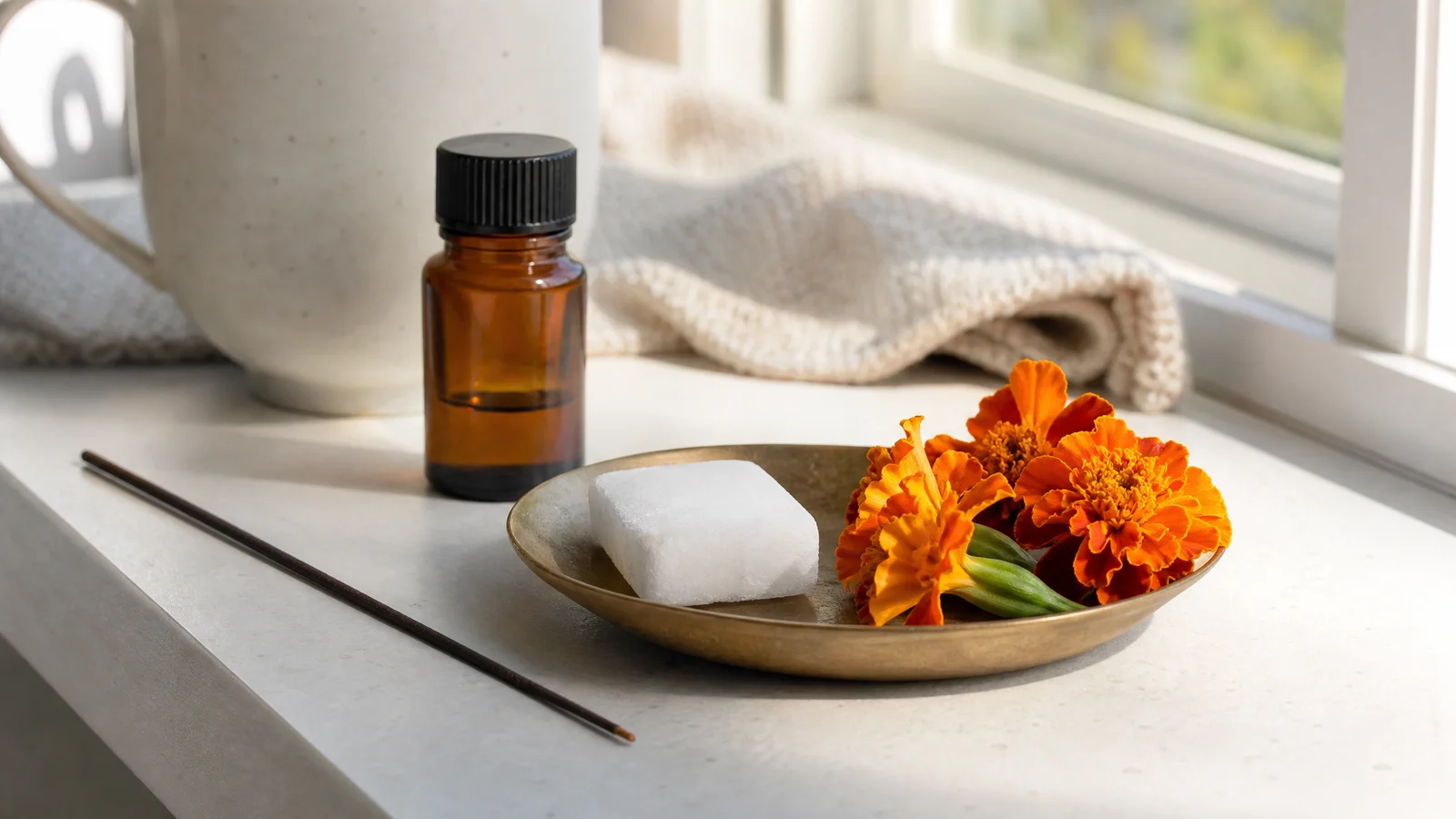
The Chinese word for camphor, zhang nao, can mean something quite different from the camphor oil most readers imagine. In traditional Chinese medicine it describes colourless crystals made from the camphor tree, and a good deal of the tradition is about how carefully those crystals are handled.
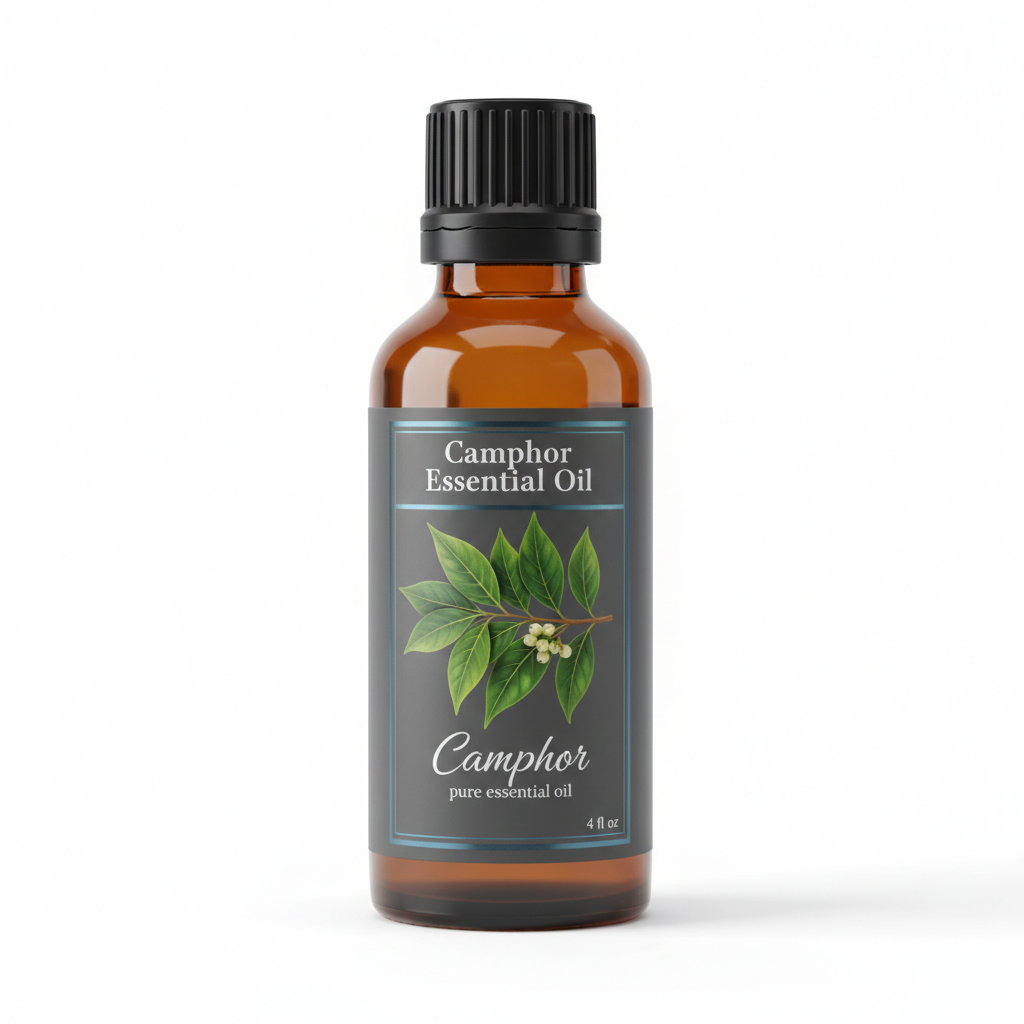
Camphor Essential Oil
Our own Camphor Essential Oil, in sizes from 0.5 oz to bulk.
From $9.99
Shop Now →Two camphors again
As in India, a translation problem sits at the heart of it. Chinese writers separated longnao xiang, the crystalline resin of the southeast Asian tree Dryobalanops aromatica, from zhang, the Cinnamomum camphora tree of southern and eastern China. Historian Peter Romaskiewicz describes the second as sublimated and distilled common camphor, and notes that the shift from imported resin to the domestic tree is poorly documented, with the mid-to-late eleventh century showing some indications of it (Romaskiewicz). Our history of camphor follows that change, and the tree behind camphor oil covers the species itself.
Why we find this tradition so interesting
We came to this topic as people who love a good bottle of aromatic oil, and what keeps us reading is how carefully the old writers sorted their materials. They did not lump everything with a camphor smell into one jar. They asked where it came from, how it was prepared and what it was fit for, and they wrote down their cautions beside their enthusiasm. That attention to the source is something we try to bring to our own pages.
How practitioner sources describe it
Modern English summaries agree on the basics. Acupuncture Today says that, by the principles of traditional Chinese medicine, camphor is pungent, hot and slightly toxic, associated with the Heart and Spleen channels, and that the crystals extracted from the tree are what is used in herbal remedies (Acupuncture Today). The Me and Qi herb database files zhang nao in two categories: aromatic substances that open the orifices, and substances for external application (Me and Qi).
That is a description of how a tradition classifies a material, and not a claim that the material does anything. "Hot" here is a category in a theoretical system and not a temperature, and "slightly toxic" is the tradition's own caution label. Notice how that sits beside the gentle word "aromatic".
If you have ever tried to compare two cookbooks on the same traditional dish, you will recognise the feeling. The broad outline matches, the details differ, and neither author is exactly wrong. They are simply writing for different readers at different times, and that is a reminder to hold any single summary lightly.
The sources do not fully agree
Two summaries differ on the part of the tree. One says leaves are of special importance and that the whole tree has traditional use; the other lists zhang nao as a processed product and not a plant part. The second matches the historical account of crystals that were sublimated and distilled. In practice, that means wood, root and leaf oils are different materials from the crystals, and "camphor in TCM" does not automatically mean an essential oil.
Kept out of the pot
The most revealing detail is a restriction. The Me and Qi database says zhang nao must not be added to decoctions because it is volatile and would evaporate during boiling, and that internal use is confined to pills or powders under strict medical supervision. We take that as a nice piece of practical reasoning: a volatile material is respected as one. It is the same logic behind a tightly capped bottle in a cool cupboard, which we cover in our storage guide.
Reading a name on a label
The practical lesson for a modern shopper is a simple one. When a product page says "camphor," ask which camphor. A crystal, a resin and a distilled oil are three different objects, and a Chinese herb name, a Latin name and an English trade name may or may not point at the same one. The botanical name is the most reliable thing to hold onto. Ours is Cinnamomum camphora, and we would rather you read it off the bottle than take our word for anything else.
It also helps to keep the cultural meaning and the shopping decision in separate boxes. You can love a tradition and still read a label like a skeptic, and the two habits sit together comfortably.
What this means for camphor oil today
Traditional records are a window into culture and not a set of instructions for oil, and we make no medical claim for ours. We sell Cinnamomum camphora oil as an external cosmetic oil, and we recommend diluting it to 0.5% to 2% in a carrier before any skin contact (and check IFRA standards for your own formulation), patch testing first, keeping it away from the eyes and out of reach of children and pets, and never ingesting it. Anyone interested in TCM as a practice should talk to a licensed practitioner; anyone with a health question should talk to a physician or pharmacist. For safety basics, Is Camphor Oil Safe? is a good next read.
It is a pleasing detail that a tradition so many centuries old came to the same cautious conclusion about this crystal that a modern label does: small amounts, handled with care.
Camphor Essential Oil
Camphor Essential Oil from our own shop, in sizes from 0.5 oz to bulk.
From $9.99
Shop Now →