White vs Brown Camphor Oil: Which Cut Is Which?
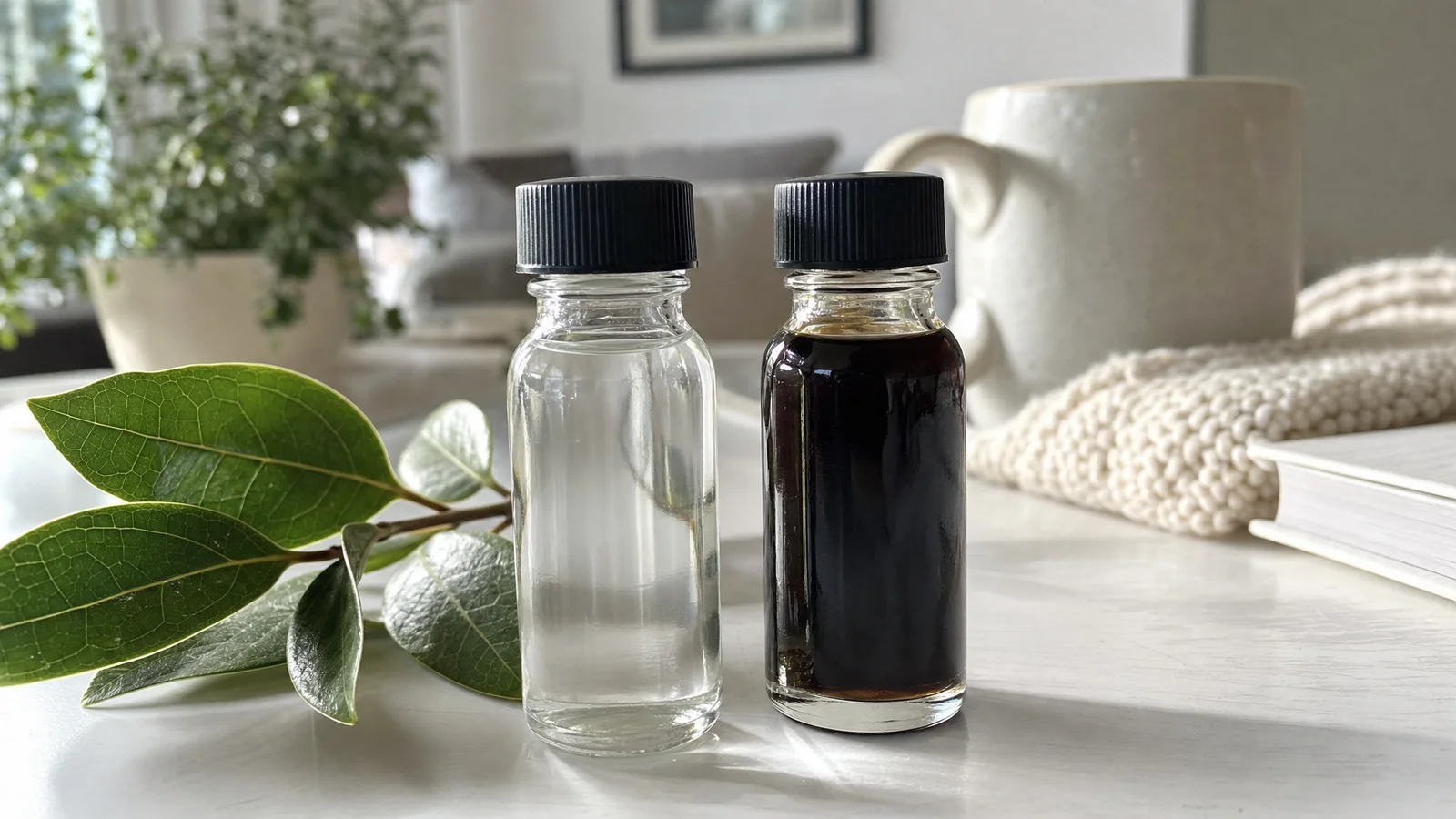
It is tempting to read "white" and "brown" camphor oil as a quality scale, like extra virgin and standard olive oil. They are nothing of the kind. They are different cuts from the same crude distillate, collected at different boiling points, and they end up with different jobs. We sell the white cut, and this is why.
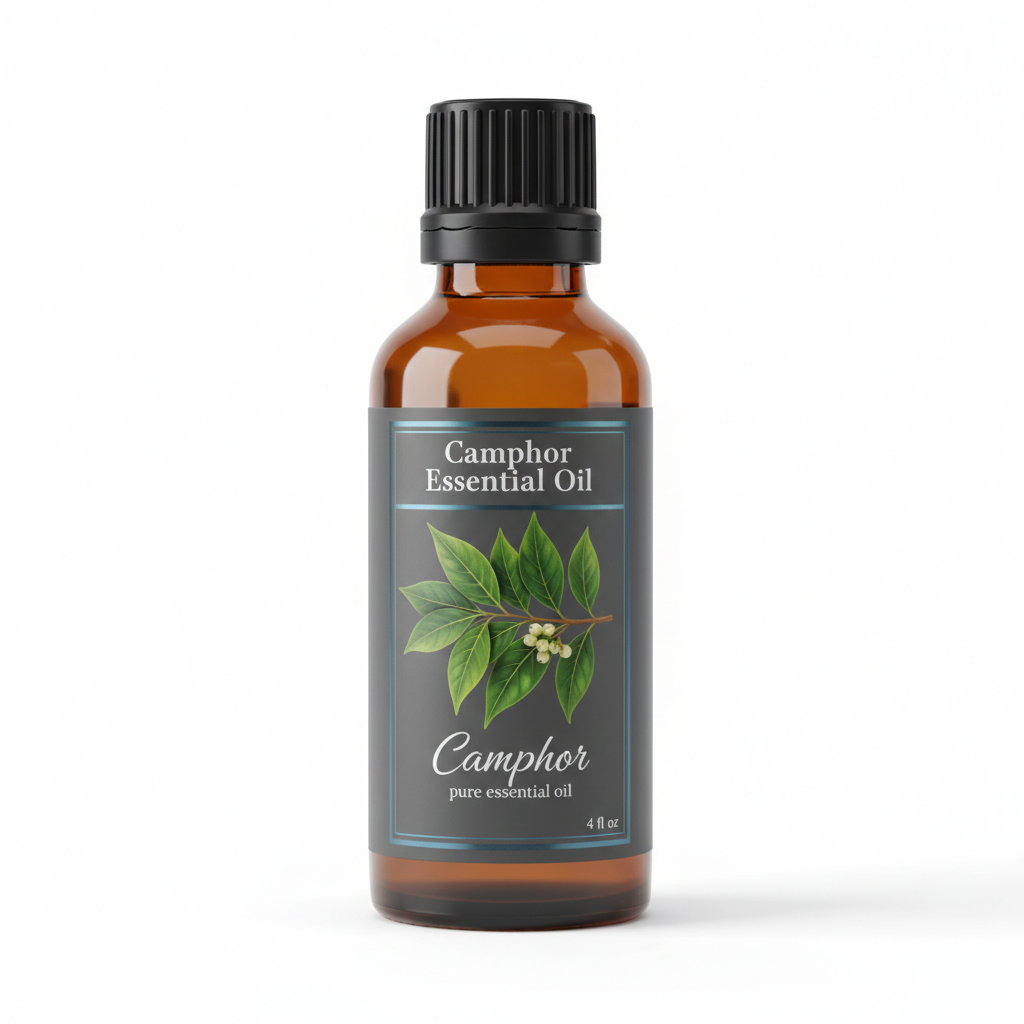
Camphor Essential Oil
Our own Camphor Essential Oil, in sizes from 0.5 oz to bulk.
From $9.99
Shop Now →One tree, one still, several cuts
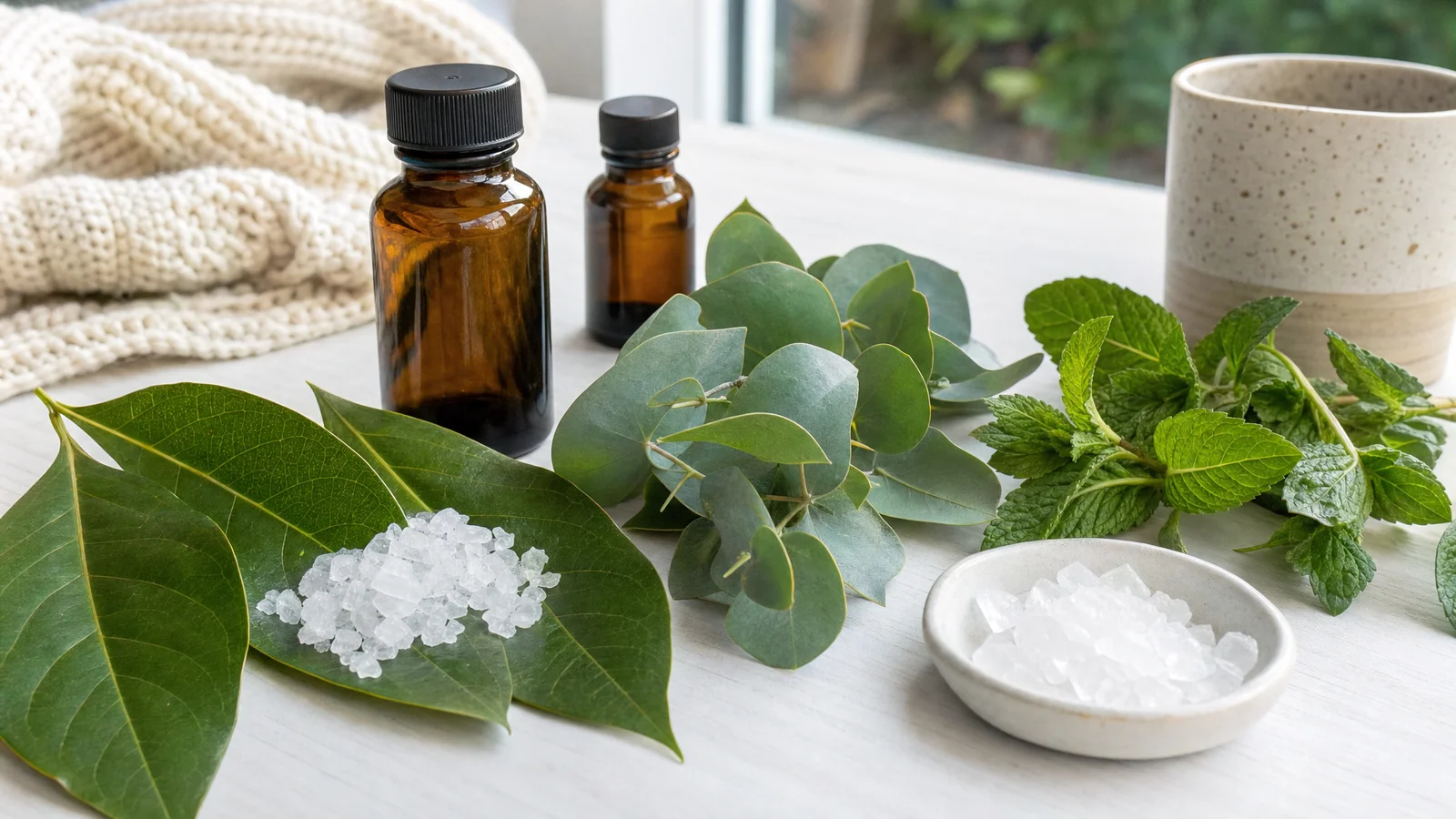
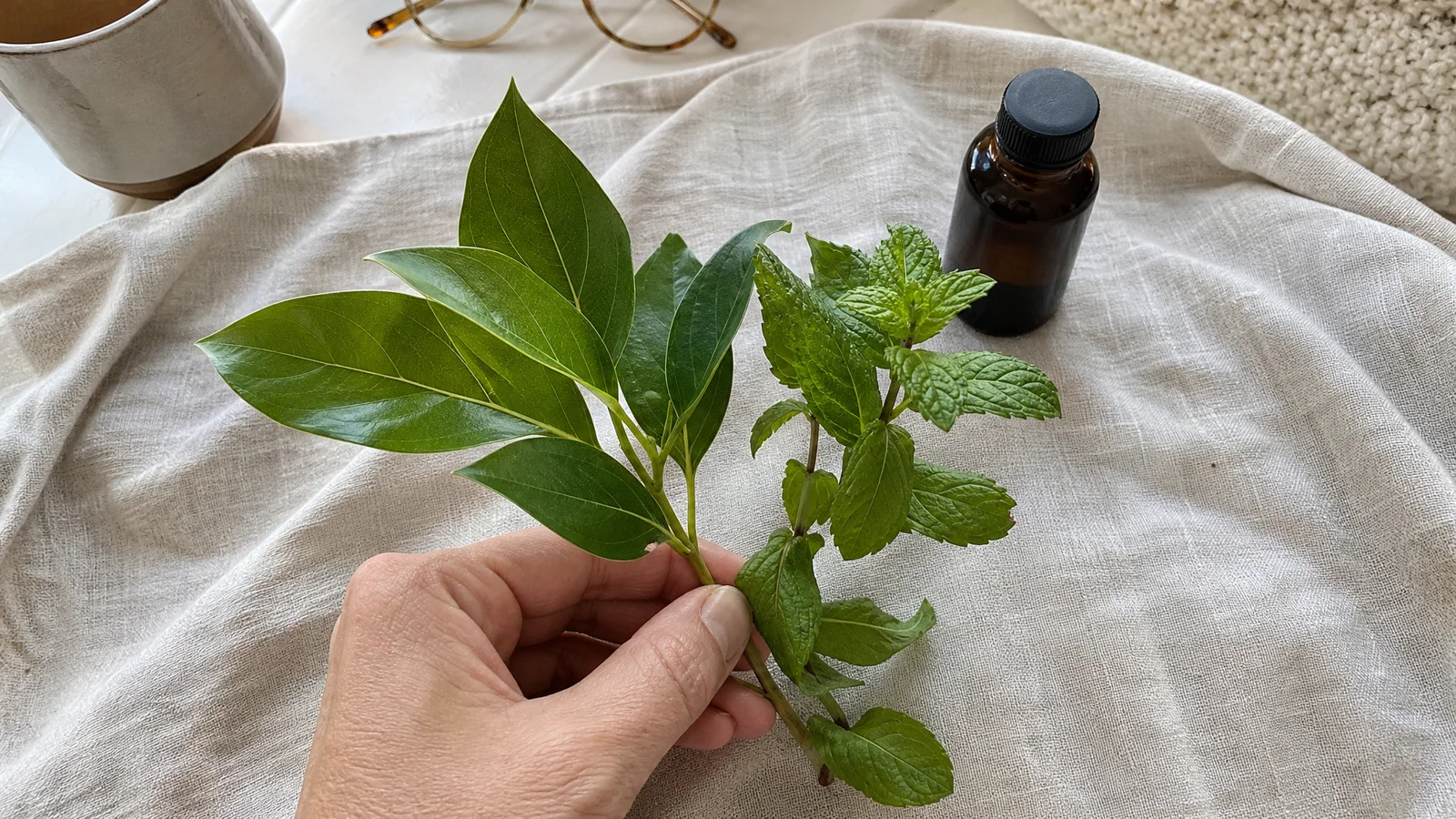
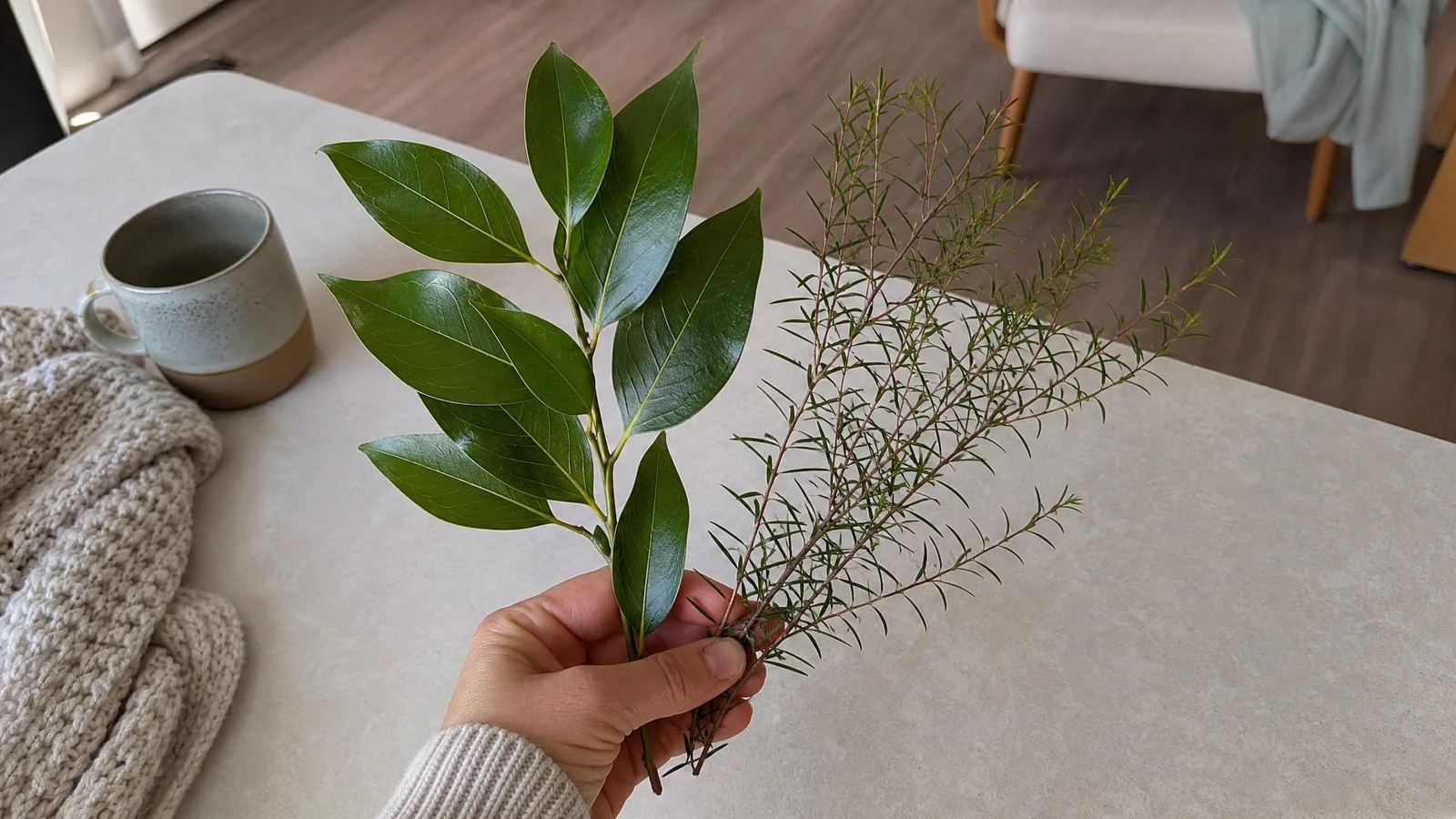
Camphor oil begins with Cinnamomum camphora. Historically the plant material was chipped and steam-distilled, the camphor crystals were filtered out, and the leftover oil was rectified under vacuum, which gave up more camphor and a "camphor-free" oil (PROSEA, Windadri and Rahayu, 1999). That camphor-free oil is the raw material. Separated by boiling range, it becomes the commercial cuts, which the Tisserand Institute lists as white, yellow, brown and blue (Tisserand Institute).
That separation is done by continuous vacuum distillation in a tower, work for a small number of specialist houses. We do not run that kind of equipment. What we bring is the choosing: we selected the white fraction because it is the light cut meant for fragrance and craft work.
Meeting the colours
White is the first and lightest cut, around a fifth of the camphor-free oil. Its chief constituent is 1,8-cineole, the eucalyptus-like molecule, and it holds surprisingly little camphor itself, up to 9 percent and more typically about 3 according to Tisserand. That is why white camphor oil smells sharp, cool and a little woody rather than like a moth drawer. It is the version used in aromatherapy and perfumery.
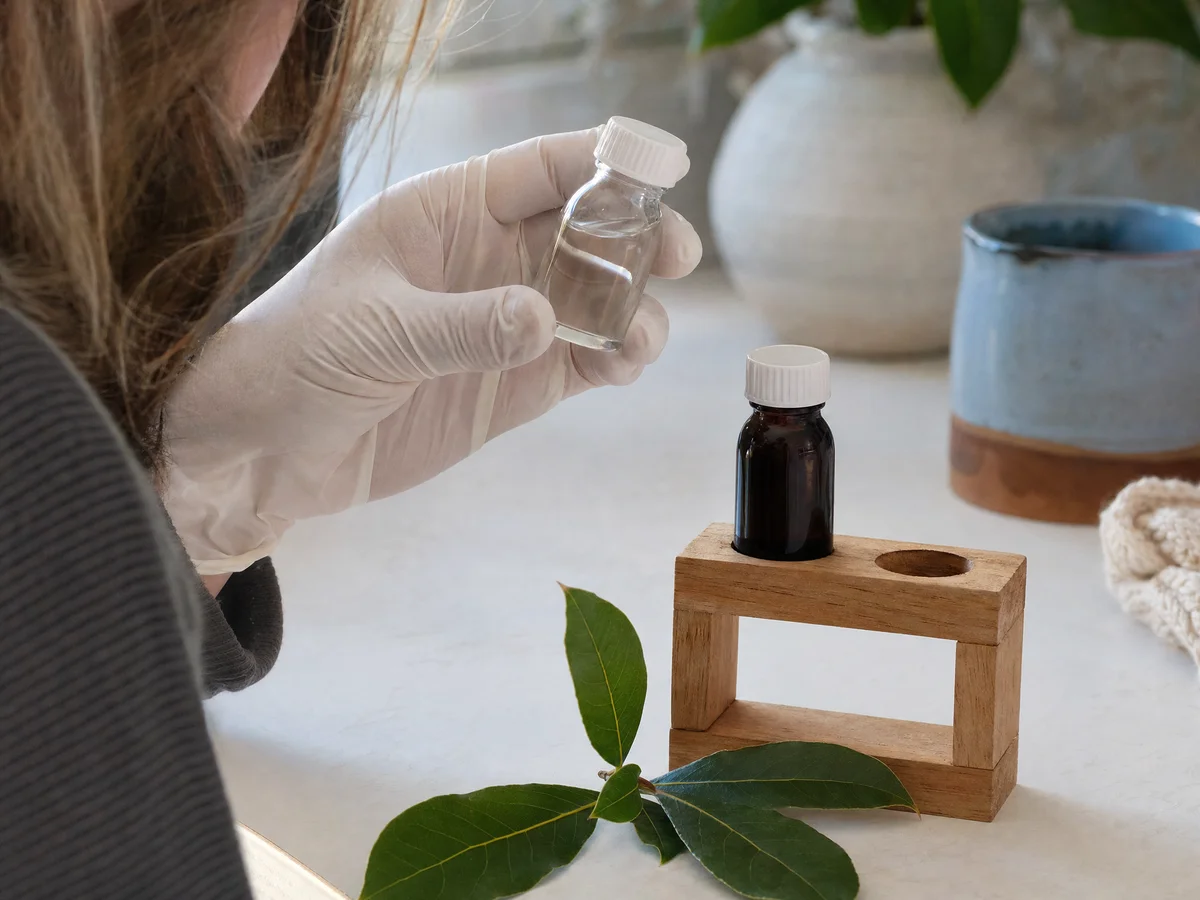
Brown is a heavier middle cut. PROSEA describes it as containing around 80 percent safrole and notes it was once valued to mask other smells in soap perfumes. Yellow and blue are the remaining fractions; the sources even disagree on yellow, with PROSEA calling it the residue once safrole has been extracted and Tisserand calling it high in safrole. Tisserand adds that yellow and brown are not usually sold on the open market, and that blue is not sold at all.
Why safrole decides it
Safrole is the compound that sets the heavy cuts apart. The International Agency for Research on Cancer found that it caused liver tumours in mice and rats fed it, and later placed it in Group 2B, possibly carcinogenic to humans (IARC Monographs vol. 10). Those are animal studies at oral doses, so they do not translate neatly into a drop in a diffuser, but they explain why food containing added safrole or oil of sassafras is treated as adulterated in the United States (21 CFR 189.180) and why a light cut is the one for scent and craft use. The same tree also gives Ho Wood and ravintsara oils, which are their own materials; see Ho Wood vs camphor oil and ravintsara vs camphor oil.
What this means at the shelf
Standing in front of a row of bottles, colour names can feel like the answer. We would treat them as the question instead. A word like white or brown tells you which cut a seller is talking about. It does not tell you whether the seller says so in writing, in the same words, on the label, on the page and in the paperwork. That consistency is what we look for.
Cut and chemotype are different questions
There is a second variable that catches people out. The cut says where the oil landed in the distillation. The chemotype says what chemistry the tree itself made. A 2023 survey of 974 trees in China found individual trees making camphor-rich, linalool-rich and cineole-rich oils, among others (Zhang et al., Molecules, 2023). That work was done on leaf oils, not commercial cuts, but the lesson carries: two bottles both called "white" can come from different trees and smell different. The colour is a starting point, not a specification.
A small scent exercise
Even without lab equipment you can learn something. Put a drop on a paper strip and smell it at arm's length, then again after ten minutes. Our white fraction reads sharp, cooling and crystalline with a dry woody base, and the opening fades first. Whatever bottle you have, write down what you notice and see whether it matches the description you were given.
Reading a listing before you buy
- Look for the cut by name. "White camphor essential oil" tells you something. Plain "camphor oil" tells you very little.
- Ask for the numbers you need. The Certificate of Analysis for one of our batches lists density, refractive index and optical rotation. If you need GC-MS, a camphor or cineole content or a safrole result for your lot, ask us in writing through our contact page before you order.
- Be wary of brown or yellow offered cheaply as a bargain version of the same oil. It is a different material with a different regulatory story.
If you want to see how the white cut behaves in a formula, our posts on what camphor oil smells like and how camphor oil is made pick up where this one stops. The short version: the colour is the first thing to check, and it is worth the question.
Camphor Essential Oil
Camphor Essential Oil from our own shop, in sizes from 0.5 oz to bulk.
From $9.99
Shop Now →