Is Camphor Oil a Mosquito Repellent? What to Know
It is a fair thing to wonder, because camphor smells like something insects would hate. A scent that strong should do something, surely. When the question is a mosquito-borne illness, though, a pleasant smell is not the standard to judge by, and the honest answer is that we are not the right place to look for a repellent.
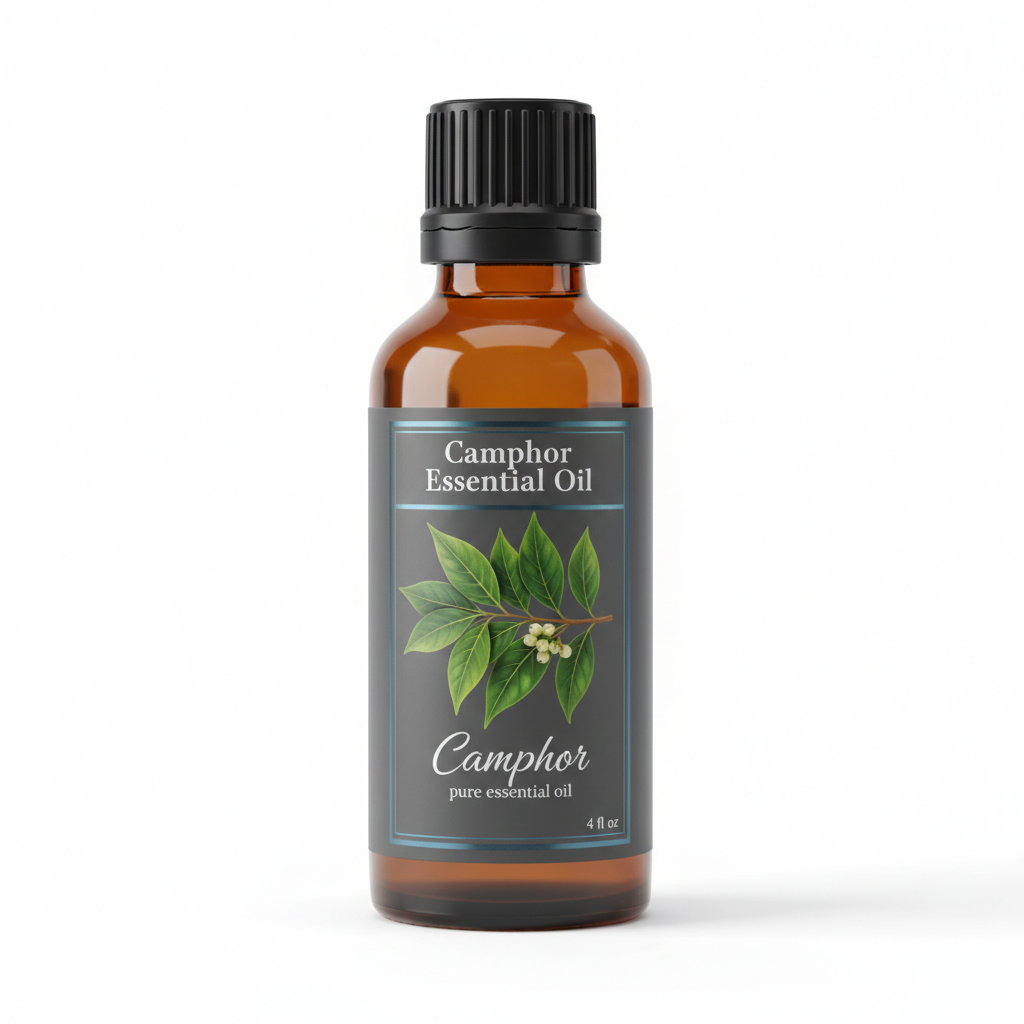
Camphor Essential Oil
Our own Camphor Essential Oil, in sizes from 0.5 oz to bulk.
From $9.99
Shop Now →What the authorities point to
The US EPA runs a search tool for skin-applied repellents, and its notes are worth reading. The listings include only products registered with the agency. A registration number means the company gave EPA technical information on the product's safety and its effectiveness against mosquitoes or ticks, based on scientific testing guidelines and approved study methods. Protection times in the listings vary because test conditions vary (US EPA, find the repellent that is right for you). A bottle of essential oil sold as a cosmetic carries no such number, because it is not marketed as a repellent, and we do not market ours as one.
Natural is not the issue. Plenty of plant-based ingredients sit on registered products. What matters is the registration, which is the signal that someone has tested a product against mosquitoes in a way that shows how long it protects.
What a lovely smell can and cannot do
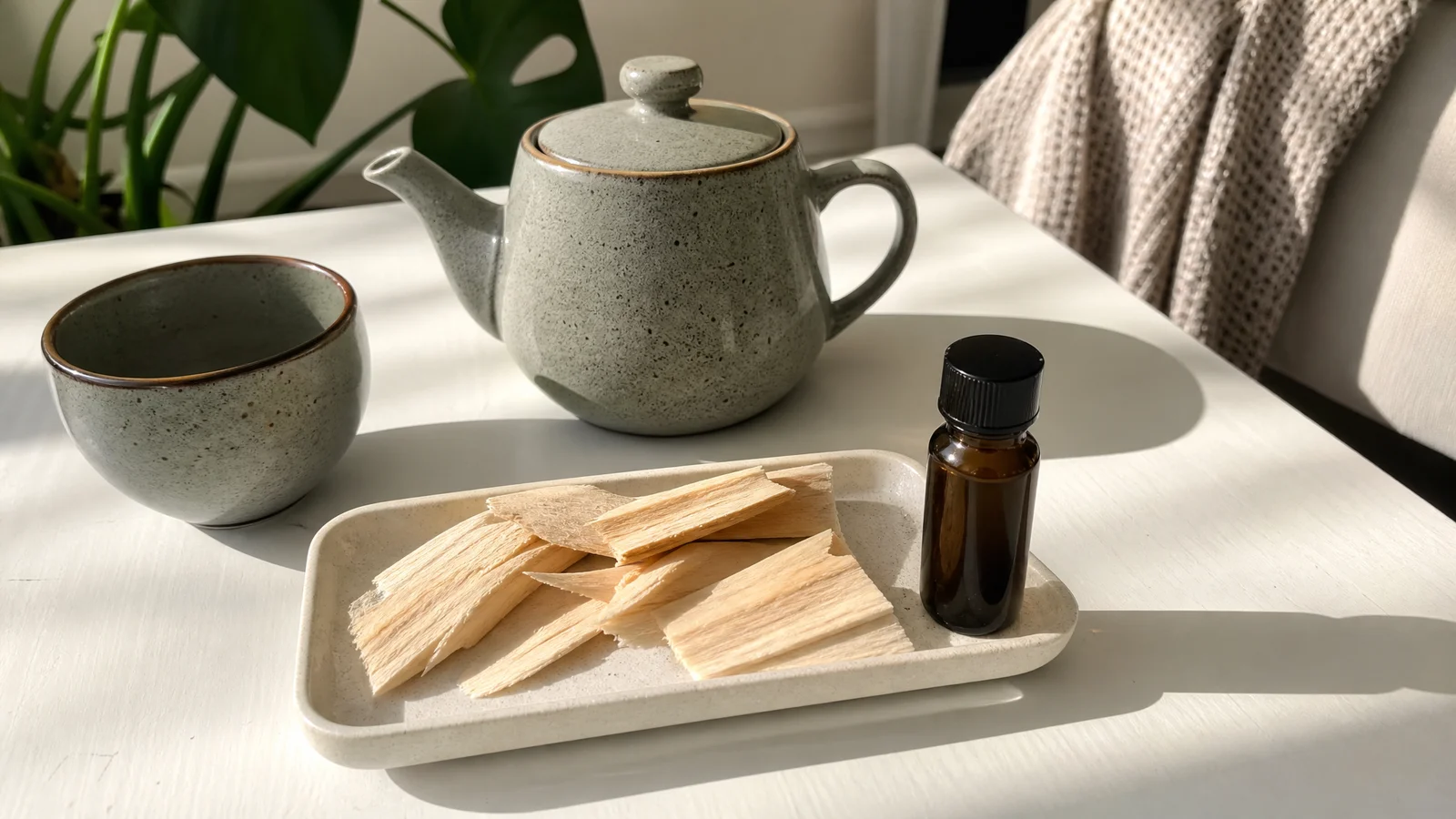
We are the first to admit that camphor oil smells wonderful. Open the bottle and there is that sharp, cooling, crystalline lift over a dry woody base, the kind of scent that makes you stand up a little straighter. It is easy to look at a smell like that and assume it must be doing something useful, and that is exactly the leap we want to slow down.
A scent can be enjoyable and still be only a scent. The things that keep bites away are the boring ones, and the label on a registered product tells you which job it was made for. Think of our oil as something for the nose and for craft projects, and judge it by whether you like how it smells.
Why a good smell and good protection are different things
A repellent that works has to last. It has to hold up through hours of warmth and sweat on skin while sitting outdoors in the evening. Camphor is volatile, and NIOSH lists a vapor pressure of 0.2 mmHg for the compound (NIOSH Pocket Guide, camphor (synthetic)). Our reasoning from that is that a thin layer on skin will not stay long. That is a comment about the physical property, not a skin trial, but it matches what many people expect from a thin, quick scent.
It also helps to separate what is being measured. Some laboratory work asks whether mosquitoes move away from a vapor source in a small chamber. That is a different question from how long a product on your forearm keeps bites away, and the second question is the one that matters on a humid evening beside a pond. For that reason we would not let a lab result about a scent decide what you wear outdoors.
How to read any repellent claim
- Is there an EPA registration number on the label? If not, nobody has shown the agency it works for the length of time claimed.
- What was measured? Protection time on skin is useful to a buyer. A percentage in a small test chamber is something else.
- For how long? Protection times vary with test conditions, so treat any figure as a guide and reapply as the label directs.
Small habits that do more than any scent
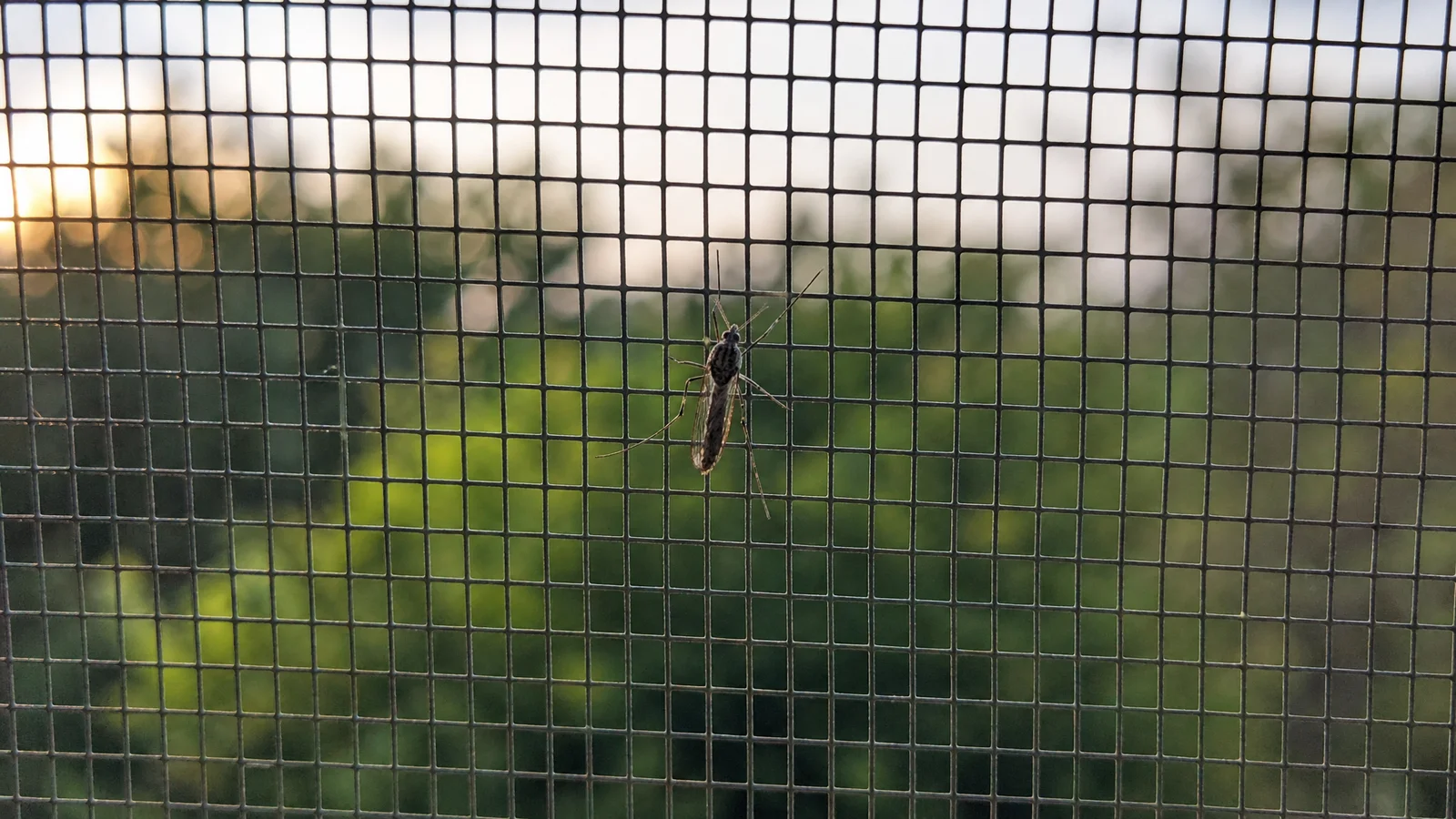
Before you reach for any bottle, look at the evening itself. Mosquitoes tend to turn up around standing water, so tip out saucers, buckets and anything else that collects rain. Check the screens on your windows and doors for gaps. Long sleeves and light-coloured clothing are a plain, old-fashioned help on a still evening, and a fan on a porch can make a seat far less inviting to a small flier. None of this is glamorous, and all of it is the kind of advice that keeps working when the nice smell has faded.
Where we would use camphor oil instead
If you came here because you love the smell, we are happy to say so plainly: enjoy it. Put a drop on a scent strip and hold it near your nose, or read how a few drops can sit in a closet. When the evening is spent outdoors with the insects, let the registered repellent and the screens handle that part, and keep our bottle tightly capped in a cupboard until you want the aroma again.
If mosquitoes matter where you live or travel
Where mosquito-borne illness is a real concern, choose a registered repellent and follow its label, and ask a physician, pharmacist or your local health authority about the risks in your area. For babies and young children, ask a pediatrician. Camphor oil is not part of that conversation. If you love the aroma of camphor in a room, Camphor Oil at Home covers the jobs that suit it, and our post on camphor and moths looks at a related question. Whatever you do, keep camphor oil in a cool cupboard, tightly capped and out of reach of children and pets; our pet guide explains why it matters for animals too.
So enjoy camphor for what it is, a crisp, sharp aroma, and let a registered repellent handle the mosquitoes.
Camphor Essential Oil
Camphor Essential Oil from our own shop, in sizes from 0.5 oz to bulk.
From $9.99
Shop Now →