Camphor for Moths: What Really Protects Wool
Open an old wool coat in spring and find lace where the sleeve used to be, and the instinct is to reach for camphor. Its reputation as a moth deterrent is long, but what protects wool is mostly a matter of cleaning and sealing. Here is what the extension sources say, where camphor oil fits, and where it does not.
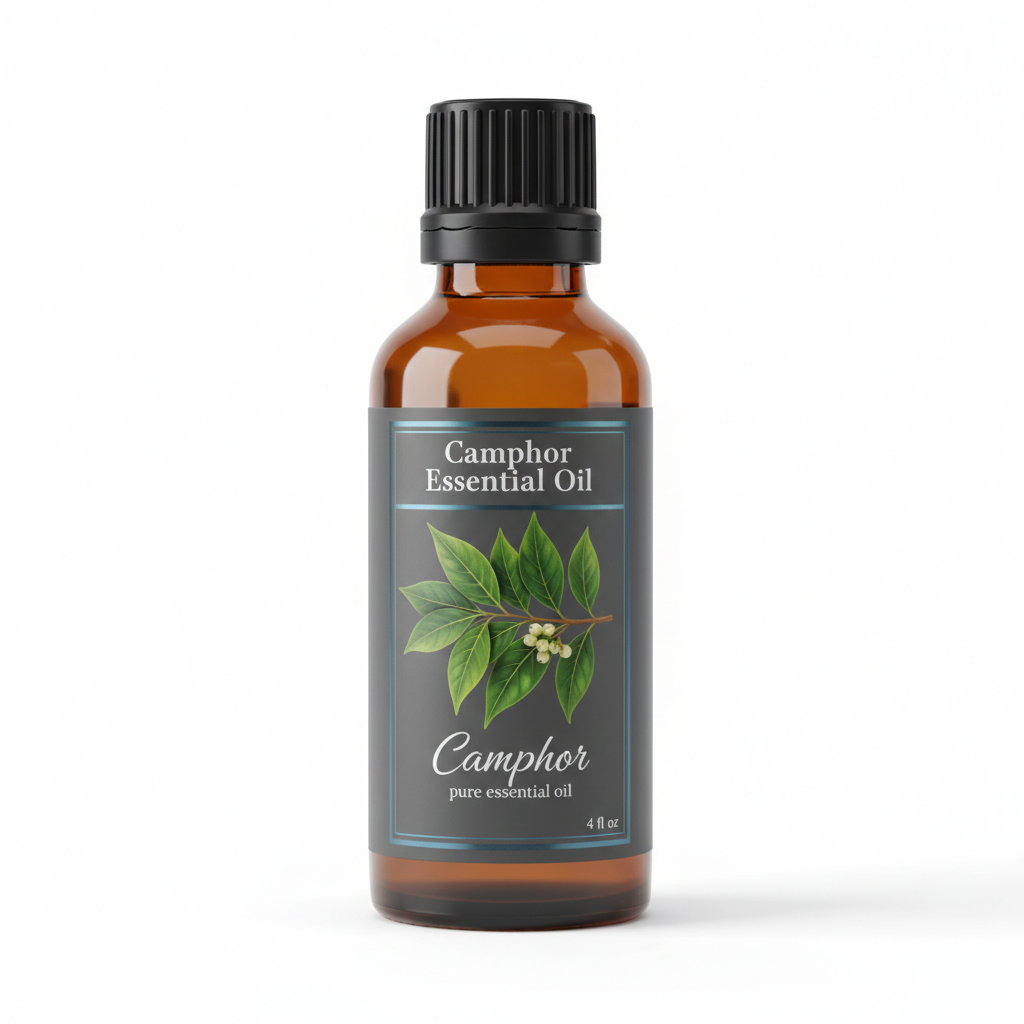
Camphor Essential Oil
Our own Camphor Essential Oil, in sizes from 0.5 oz to bulk.
From $9.99
Shop Now →Start with the pest
The Pacific Northwest Insect Management Handbook describes the webbing clothes moth as a small insect that avoids light, with wormlike larvae that may sit in silken tubes. The larvae do the eating. The same handbook says soiled cloth is more likely to be infested than clean cloth (PNW Insect Management Handbook). That changes the order of work: clean first, seal second, and think about scent last. A scented drawer full of unwashed wool is still a bad drawer, and nothing in a bottle undoes eggs that went into storage with the sweater.
What the handbook backs
| Method | What the handbook says |
|---|---|
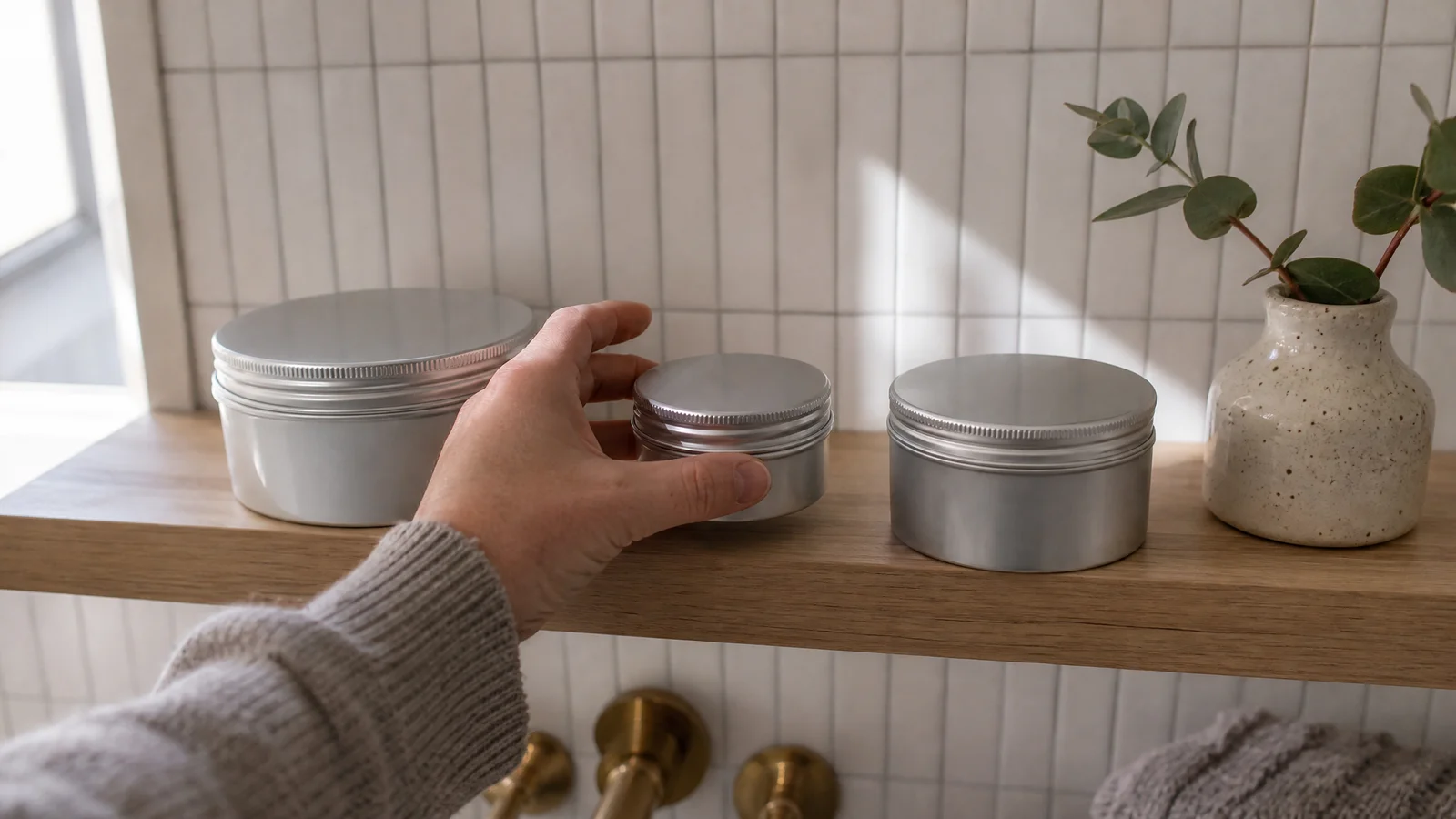
| Wash or dry-clean, then a lidded container | Recommended for woolens before storage, with tight-fitting lids. This is the foundation. |
| Cold treatment | 72 hours at -20 degrees Fahrenheit has been found effective. A home freezer may not reach that, so check yours. |
| Cedar chests | May prevent infestations if tightly fitted. The tight fit is doing much of the work. |
| Mothballs (naphthalene or paradichlorobenzene) | Effective in tightly sealed containers, though long-term exposure may have health effects for people. |
Camphor is not mentioned in that entry at all, and we do not know of a controlled trial of camphor oil against clothes moths. So we do not tell anyone camphor oil protects wool. It is a fragrance, and we sell it as one.
Mothballs are a different kind of product
Mothballs in the United States are insecticides regulated by the EPA, and they contain very high concentrations of naphthalene or paradichlorobenzene as active ingredients, not camphor. They are meant for closed, airtight containers so the fumes stay trapped (National Pesticide Information Center). New York City's health department adds that camphor products should not be used to control pests in the home, and that anything sold as a pest repellent must meet EPA requirements (NYC Health, Camphor). If you want a pest product, choose one whose label says it is for that job and follow the label. If you want a scent, that is where our camphor oil comes in, available in our shop and in larger sizes on our bulk page.
Why camphor seems plausible
Camphor is volatile, and in a closed container vapor builds up. That is the same basic logic behind mothballs. A lab study put red imported fire ant workers in sealed cylinders with a camphor essential oil that was about 37% camphor, 30% cineole and 5% safrole, and reported both fumigant toxicity and repellence (Fu et al., J Insect Sci, 2015). Fire ants are not clothes moths, and a glass cylinder is not a drawer, so it shows biological activity in a jar rather than a closet result. It is a reason the tradition exists, not evidence for what a few drops will do to your sweaters.
What we would do, by situation
Packing wool away for the season
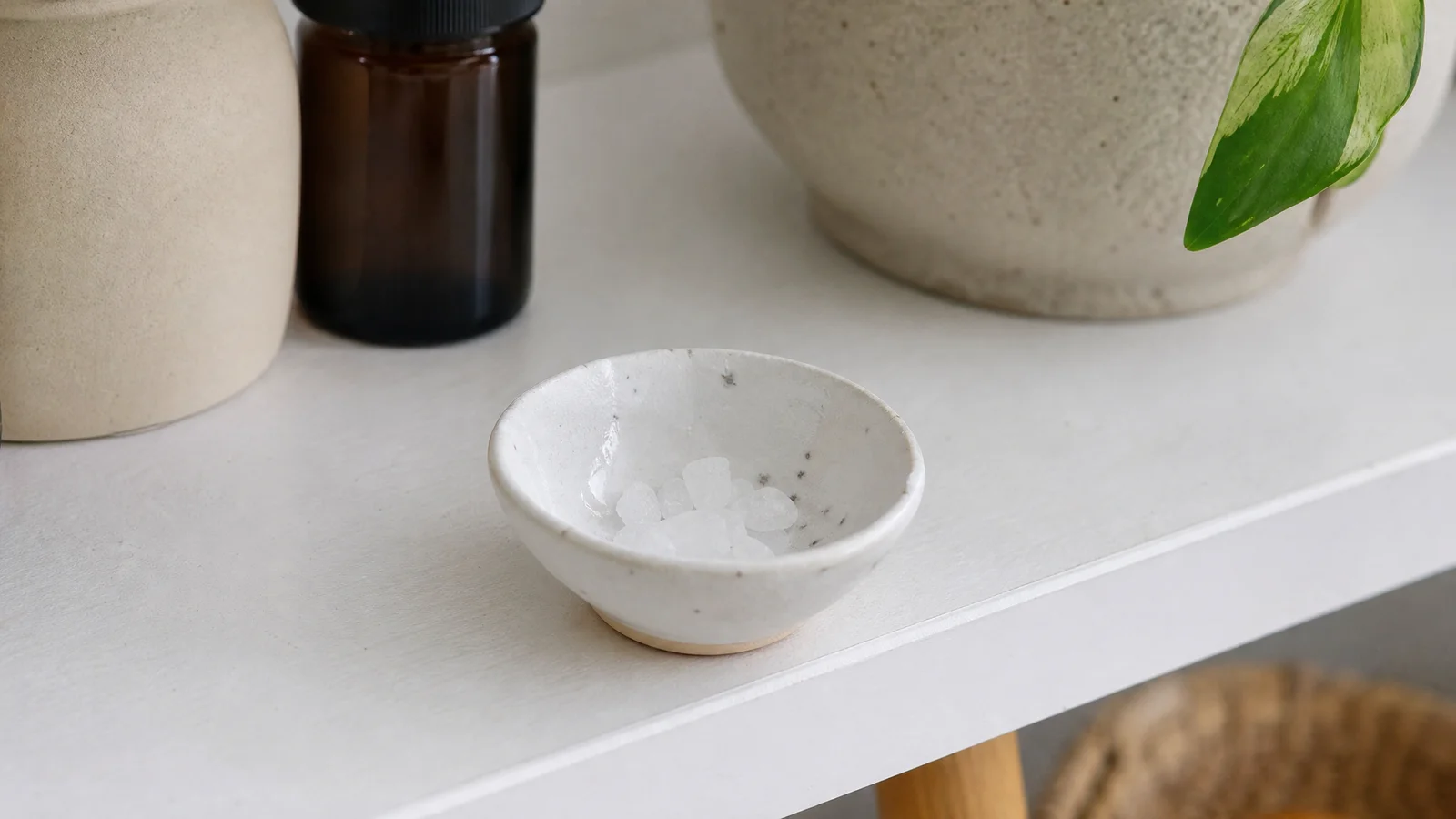
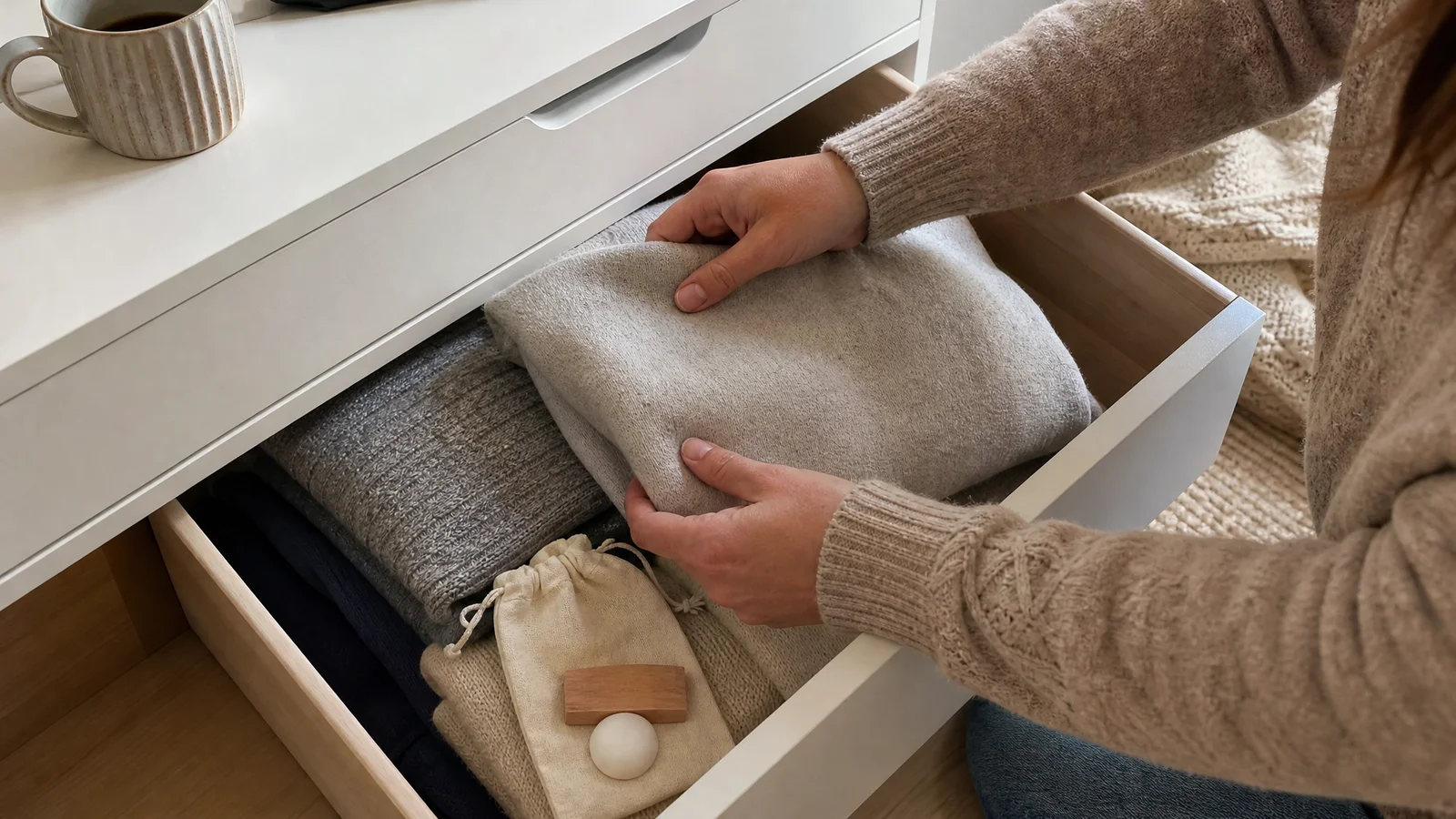
Wash or dry-clean it, let it dry fully, and seal it in a container with a tight lid. If you enjoy a camphor scent, add a few drops to a cotton pad in a small dish set apart from the fabric, as our closet and wardrobe guide describes. Treat the result as fragrance. Camphor oil should not go on clothing you will wear against skin.
Already seeing damage or silk tubes
A scented drawer will not reverse it. Empty the space, clean or freeze each item, vacuum, and reseal. If moths keep coming back, a licensed pest professional is the right call. The handbook also advises against spraying clothing directly with pesticides.
Children or free-roaming pets in the home
Go with clean-and-seal, in a tightly lidded container on a high shelf, and keep camphor and mothballs alike out of reach. Camphor is dangerous to young children if swallowed, and the Pet Poison Helpline notes it is readily absorbed through the skin of dogs and cats (Pet Poison Helpline). Our pages on pet safety and poisoning symptoms go further, and in a swallowing emergency call Poison Help at 1-800-222-1222.
The spring ritual that makes the difference
If you ever want a satisfying afternoon, pull out the wool you own and lay it on a bed. Hold each piece up to a window and look at the light through it. Look along the seams, under the collar and inside the cuffs, where a larva would want to hide. Smell each one too: the clean, faintly sheepy smell of freshly laundered wool is the one you want, and a musty one tells you the piece needs a wash before it goes anywhere.
Then pack it away the same day it is clean and dry, while you still remember which pieces you have gone through. Write the date on a slip of paper and tuck it inside the box. Next season you will know exactly how long it has been sitting, and that kind of small bookkeeping is more protective than anything you can hang in a wardrobe.
A few quick answers
Is camphor oil the same as a mothball?
No. Mothballs are pesticide products. Our camphor oil is an aromatic material with no pesticide registration and no pest claim.
Does cedar beat camphor?
On the sources we have, cedar chests have the documented record, provided they fit tightly. Camphor is not in that record.
Can I use oil and mothballs together?
We would not. Two strong volatile materials in one container add exposure, and nothing we found shows added benefit. Follow the mothball label for anything it says about other products.
For the wider household picture, see which jobs camphor oil suits around the home and our comparison of oil and tablets. If you scent several closets, our guide to buying camphor essential oil in bulk covers what to check first.
A clean, dry, tightly lidded box does the protecting. The scent is the pleasant part you add on top.
Camphor Essential Oil
Camphor Essential Oil from our own shop, in sizes from 0.5 oz to bulk.
From $9.99
Shop Now →Sources & Further Reading
- PNW Insect Management Handbook. Clothes moth. pnwhandbooks.org
- National Pesticide Information Center. Mothballs. npic.orst.edu
- NYC Health. Camphor. nyc.gov
- Fu et al., 2015, Journal of Insect Science. Camphor essential oil against Solenopsis invicta workers. PMC4664941
- Pet Poison Helpline. Camphor. petpoisonhelpline.com