How to Buy Camphor Oil: What to Ask the Seller
Type "camphor oil" into a search box and the listings all look alike. They are not. The same tree, Cinnamomum camphora, gives rise to several different oils, and a bare "camphor oil" label tells you almost nothing about which one is in the bottle. These are the questions we would put to any seller, in the order we would ask them.
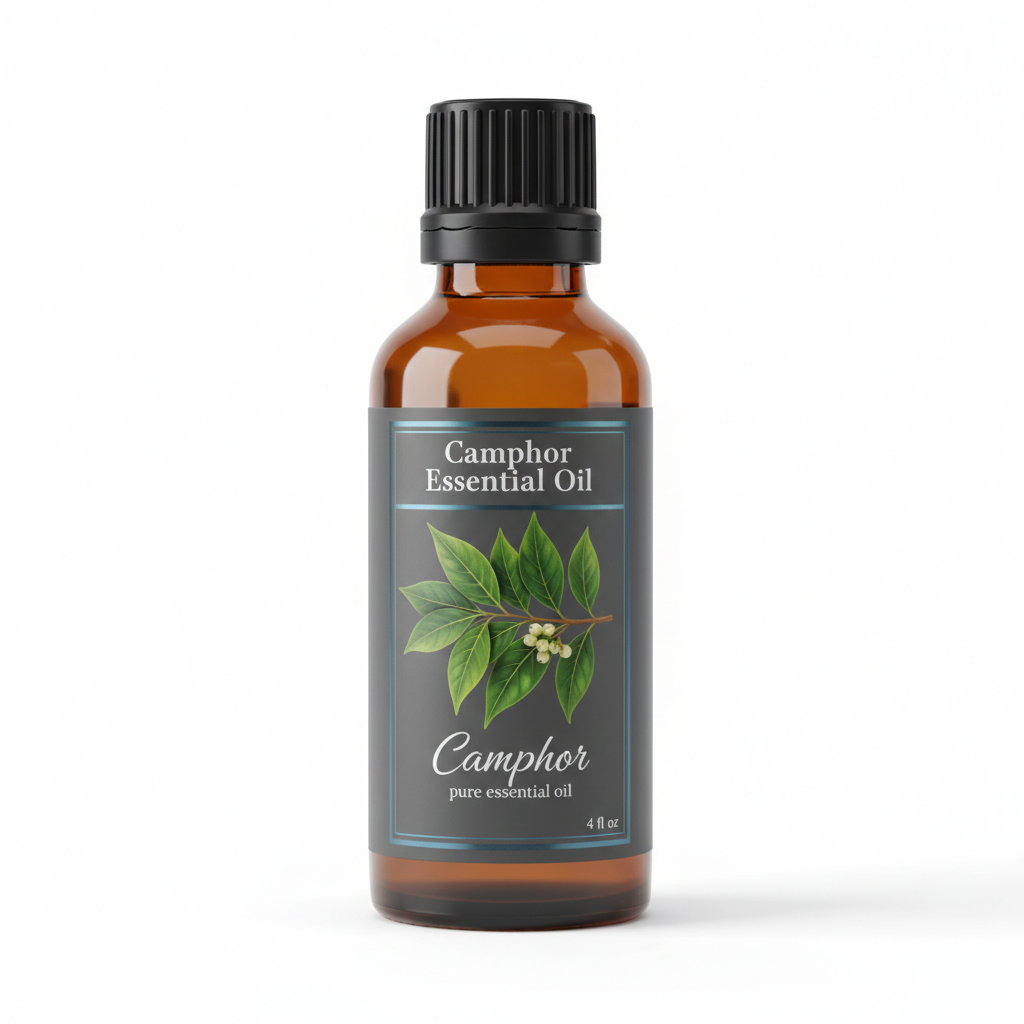
Camphor Essential Oil
Our own Camphor Essential Oil, in sizes from 0.5 oz to bulk.
From $9.99
Shop Now →Start with the job
Before you ask anything, decide what the oil is for. A diffuser blend, a closet sachet and a candle project do not all call for the same paperwork, and knowing the job first keeps you from paying for answers you will never use.
Which cut is it?
Once crystalline camphor has been filtered out of the crude distillate, the remaining oil is separated by boiling range into white, yellow, brown and blue fractions. The Tisserand Institute says the yellow and brown cuts "are high in safrole and are not usually sold on the open market," and that the blue is not sold at all (Tisserand Institute, Cinnamomum camphora). Safrole produced liver tumours in mice and rats given it by mouth, and the International Agency for Research on Cancer places it in Group 2B, possibly carcinogenic to humans (IARC Monographs vol. 10).
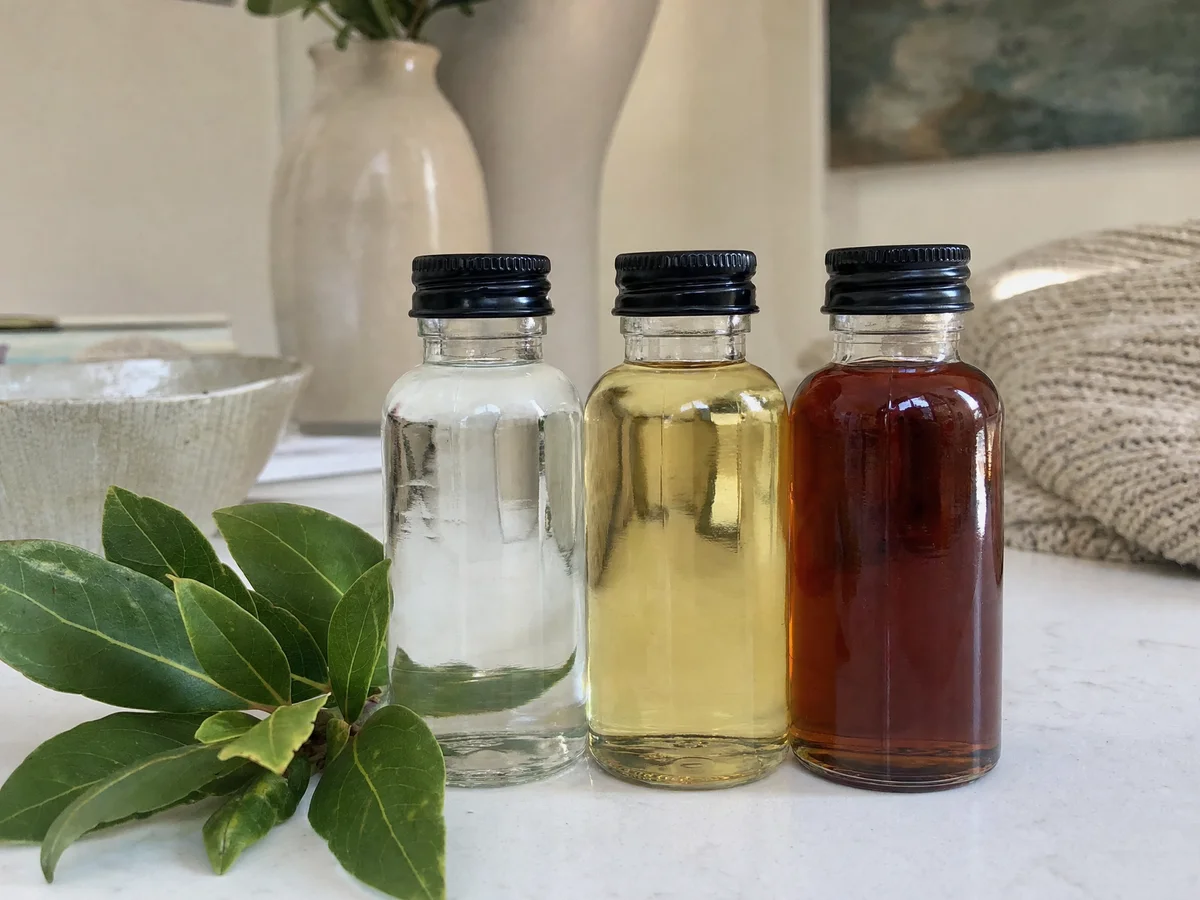
That is why we sell the white fraction, the light cut used for fragrance and craft work, with no heavier cuts blended in, no carrier and no dilution. Look for an equally plain statement from any seller. If "white" appears nowhere, ask. We lay the cuts out side by side in white vs brown camphor oil.
What does the paperwork measure?
Certificates come in two kinds. One lists physical constants such as density, refractive index and optical rotation. The other is a GC/MS report, which lists the compounds in the oil and their percentages. Only the second can show how much camphor, cineole or safrole an oil contains.
The Certificate of Analysis we publish is the first kind, and it covers one batch. It lists a relative density of 0.878 (standard range 0.870 to 0.890), a refractive index of 1.467 (1.455 to 1.475) and an optical rotation of +5.80 degrees (+2 to +20), and it concludes that the tested parameters comply with pharmacopoeia standards for genuine camphor oil. Constants like these confirm an oil sits in the expected neighbourhood, and nothing more. If you need a GC/MS profile, a camphor percentage or a safrole result, ask us in writing through our contact page before you order, and ask the same of any other seller. When the report arrives, our guide to reading one will help.
Which tree is it from?
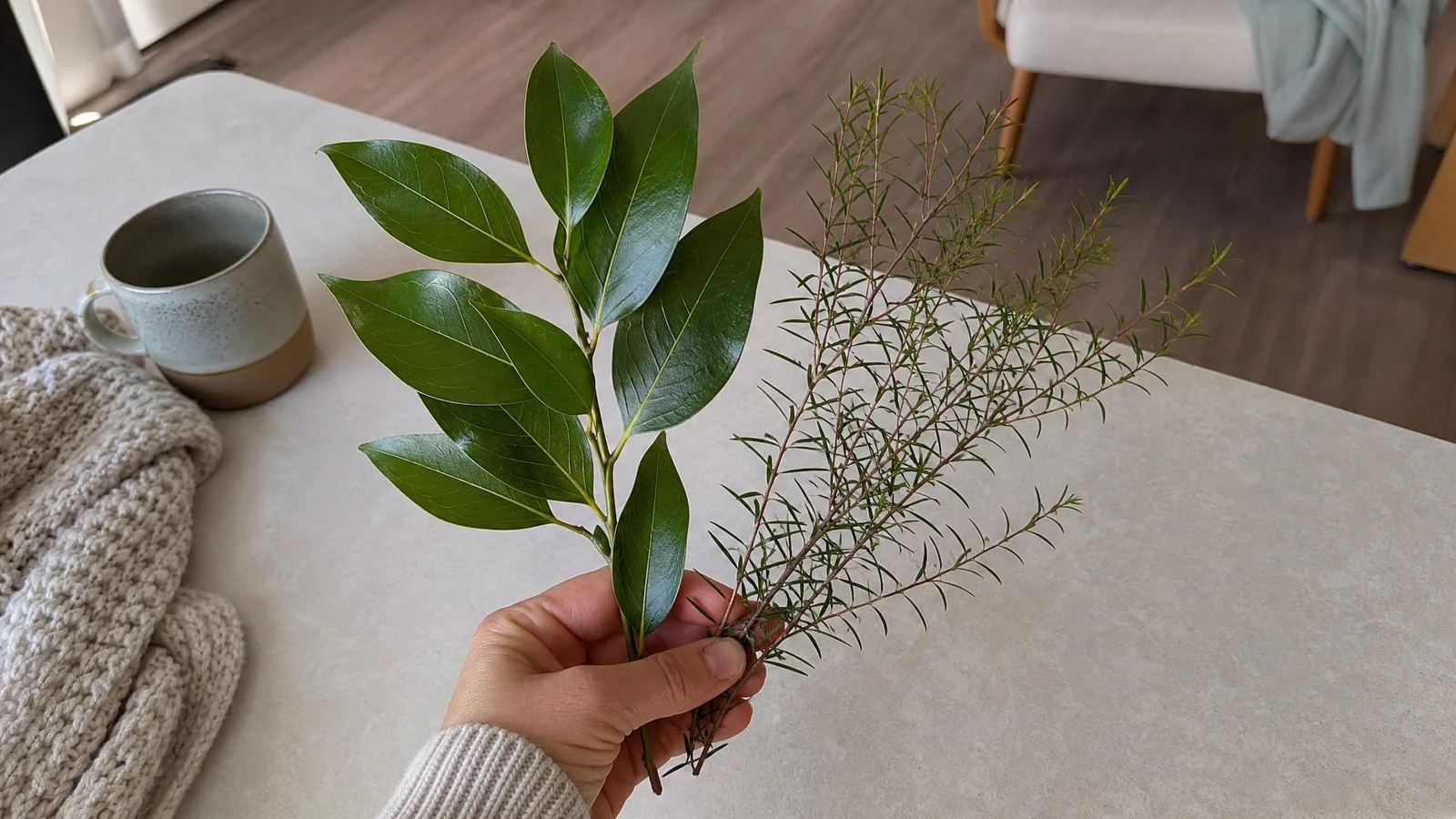
Cuts are one variable and the tree is another. A 2023 study distilled leaf oil from 974 individual camphor trees across 35 populations in 13 Chinese provinces and sorted them into chemical types led by camphor, linalool or eucalyptol (1,8-cineole), plus several others (Zhang et al., Molecules, 2023). The practical lesson is that oil from one tree can smell nothing like oil from its neighbour. The Tisserand Institute adds that Ho Wood and Ravintsara come from this same plant, which is why Ho Wood and Ravintsara are worth knowing about before you buy. Someone who wants the sharp, cool character of camphor and receives a linalool-rich oil has bought the wrong product even if nothing on the label was false.
Do the details agree with each other?
A trustworthy listing is consistent. Plant part, origin, chemotype and cut should read the same on the product page, on the batch document and in the seller's reply. If two of them disagree, ask which is right before you pay. We state our oil's botanical name, Cinnamomum camphora, and that it is steam-distilled and bottled in amber glass.
How much weight do badges carry?
"No additives," "cruelty-free" and similar lines are statements by the seller. They are fine to read, but they are not test results. "Organic" is different, because it is a defined term with legal categories. We do not market our oil as organic, and our piece on organic camphor oil explains what the label would and would not tell you.
How is it packed?
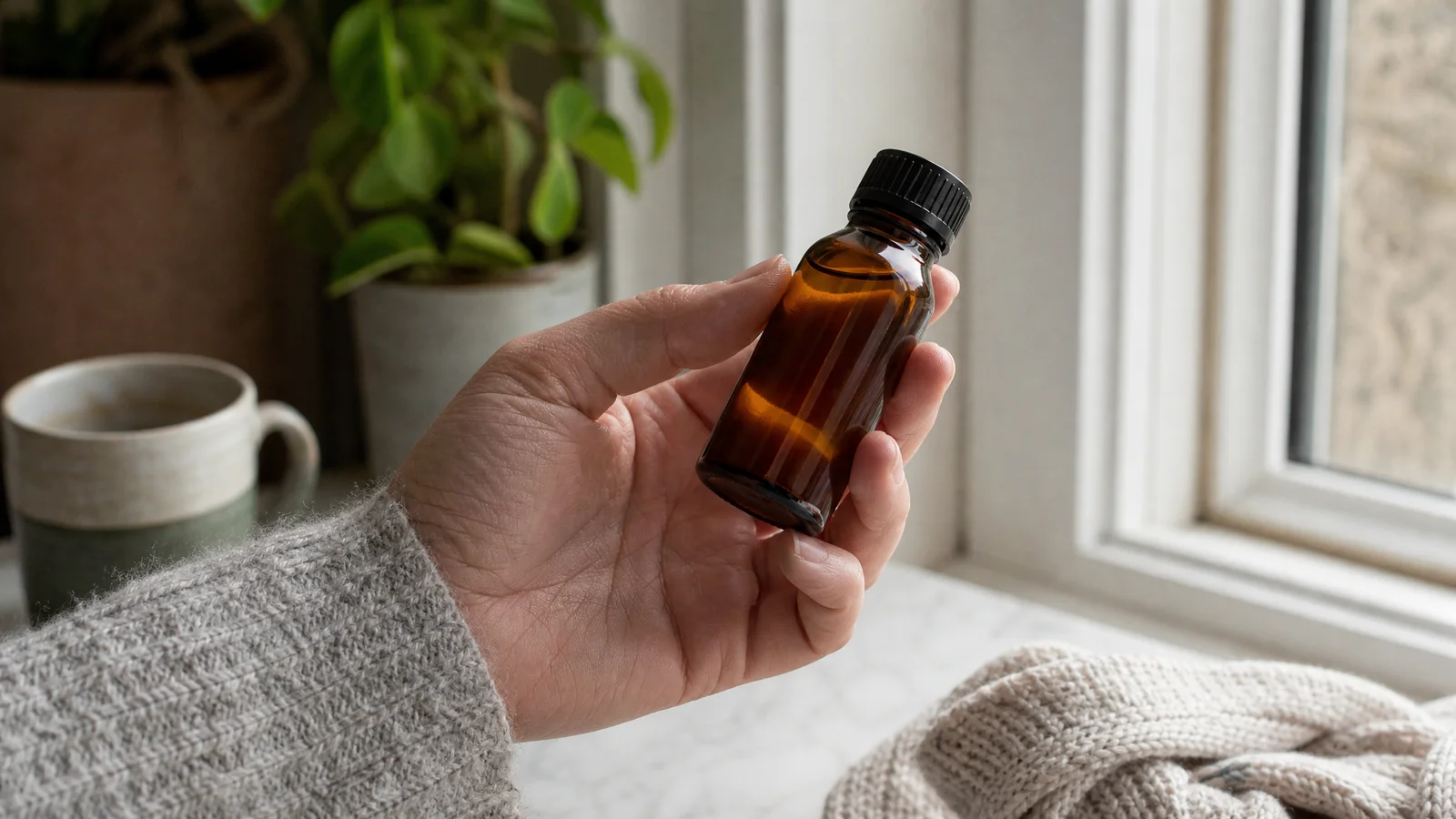
Camphor oil is thin and volatile, and light, heat and air all age an oil. Amber glass with a tight closure is the sensible package, and we say typically 2 to 3 years in a cool, dark place. For bulk, decant a working amount into a small airtight bottle and keep the large container sealed. More on this in how to store camphor oil.
Take your time with the replies
Asking questions is half the fun, and the way a seller answers tells you plenty. A clear, unhurried answer in plain words is a good sign. Vague replies, or a stack of badges where a number should be, are worth noticing. Keep the replies together in one note so you can compare two sellers on the same questions rather than on whichever page looked prettier.

Who should pass on it entirely
Camphor is neurotoxic in quantity. We do not recommend it for infants or young children, around a small child's face, or for anyone with a history of seizures, and it is never taken by mouth. Any ingestion is an emergency, so call poison control or emergency services at once; this page covers what to do first. Our oil is a cosmetic aromatic and we make no medical claims for it. For a symptom, a pharmacist or physician is the right person to ask.
If a seller answers the first two questions clearly and quickly, you have already learned the most important thing about them.
Camphor Essential Oil
Camphor Essential Oil from our own shop, in sizes from 0.5 oz to bulk.
From $9.99
Shop Now →Sources & Further Reading
- Tisserand Institute. Cinnamomum camphora: its many names and chemotypes. tisserandinstitute.org
- IARC, 1976 (vol. 10) and 1987 (Supplement 7). Safrole, isosafrole and dihydrosafrole. inchem.org
- Zhang T. et al., 2023. Chemical variation and environmental influence on essential oil of Cinnamomum camphora. Molecules 28(3):973. PMC9919661