Camphor vs Eucalyptus vs Menthol: Cool, Compared
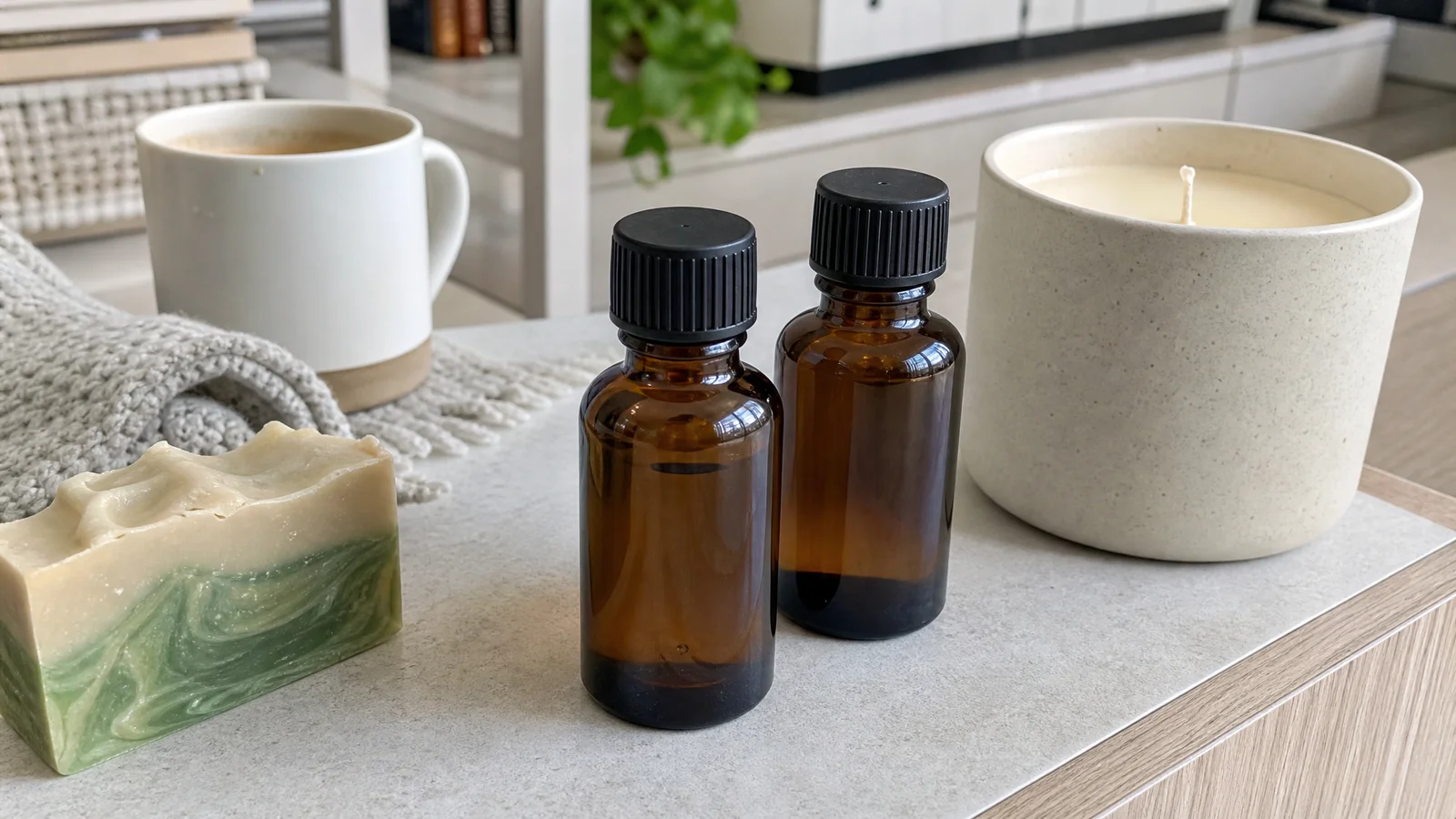
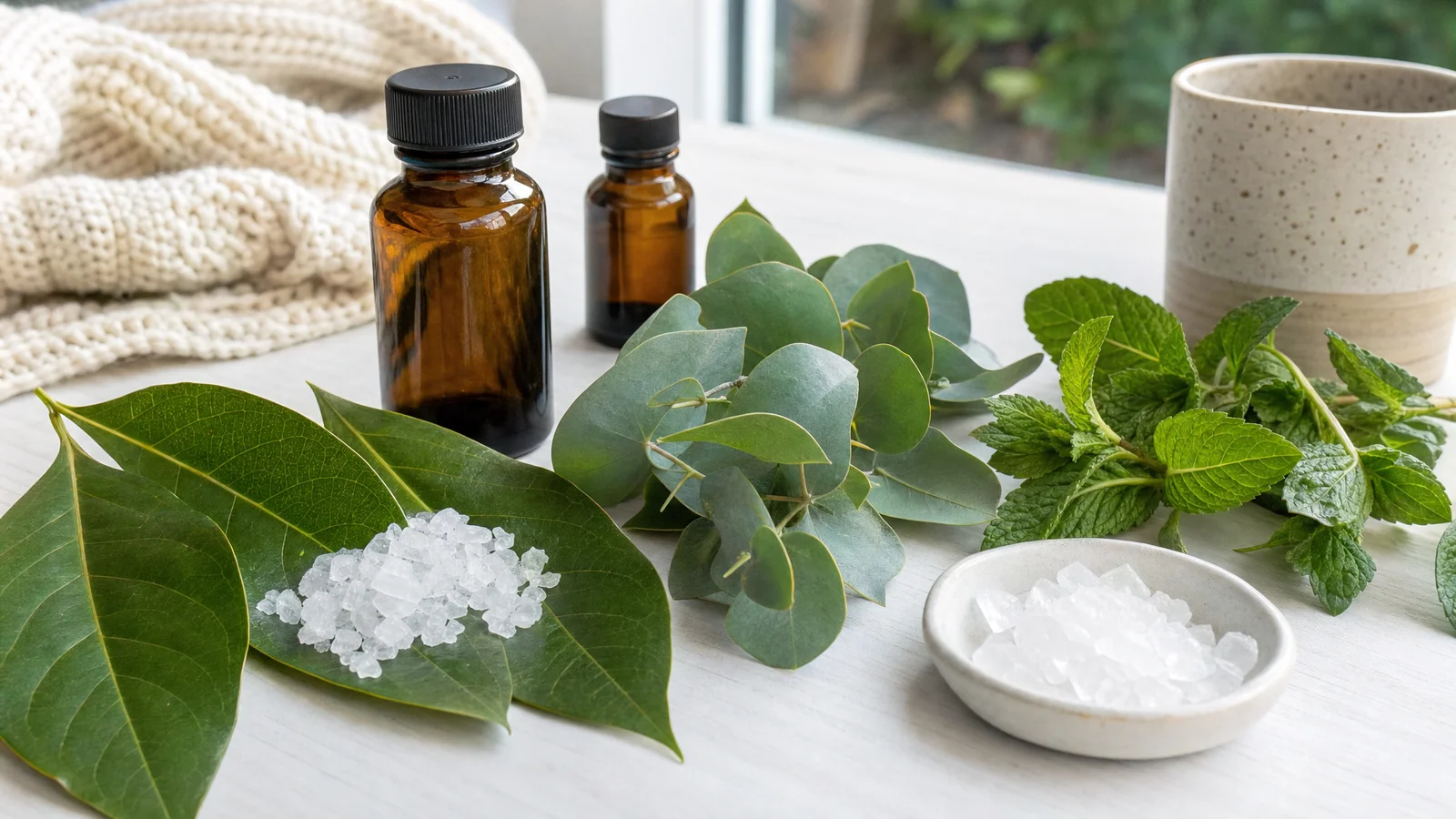
Line up three bottles that all promise "cool" and you would swear they were cousins. Two of them nearly are. Camphor oil and eucalyptus oil are both led by the same molecule, 1,8-cineole, while menthol is a different creature altogether: a crystal rather than an oil, with a sweet, minty smell that neither of the other two has.
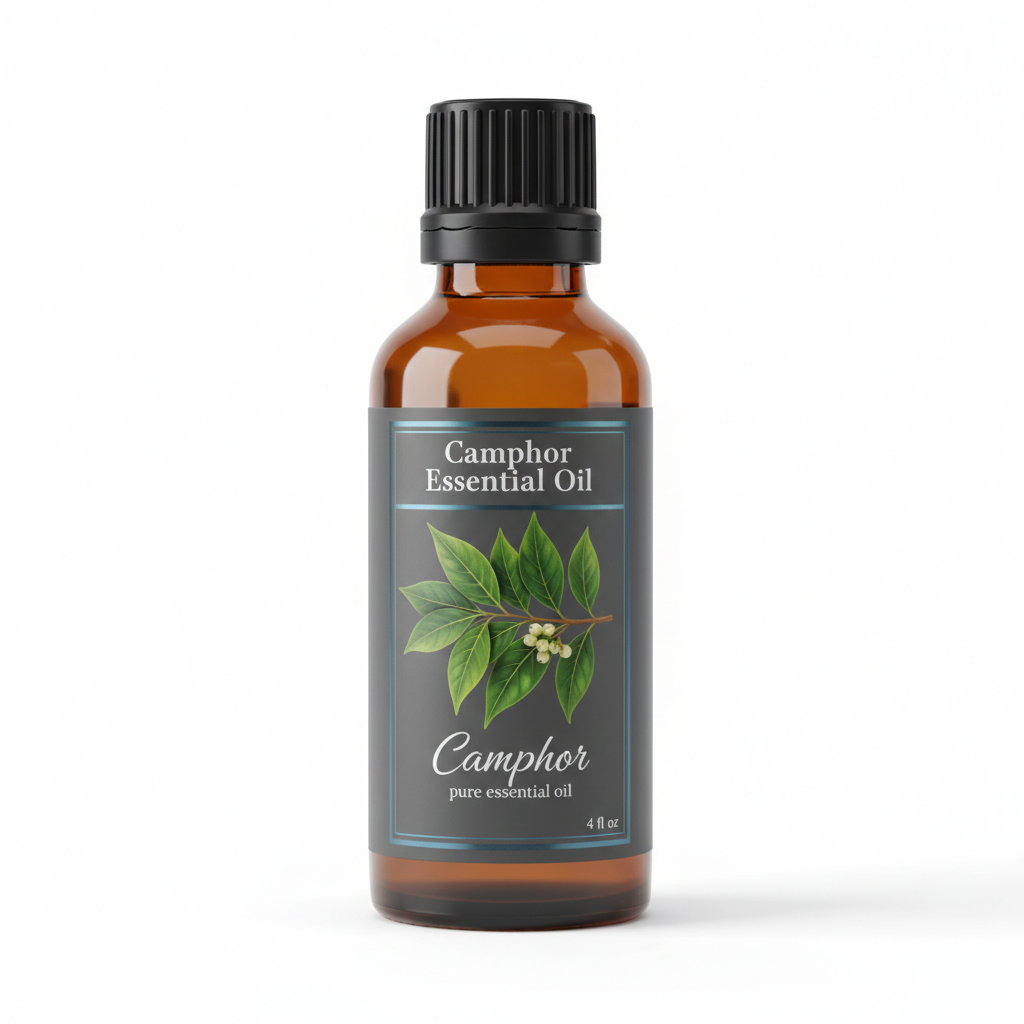
Camphor Essential Oil
Our own Camphor Essential Oil, in sizes from 0.5 oz to bulk.
From $9.99
Shop Now →Camphor and eucalyptus share a backbone
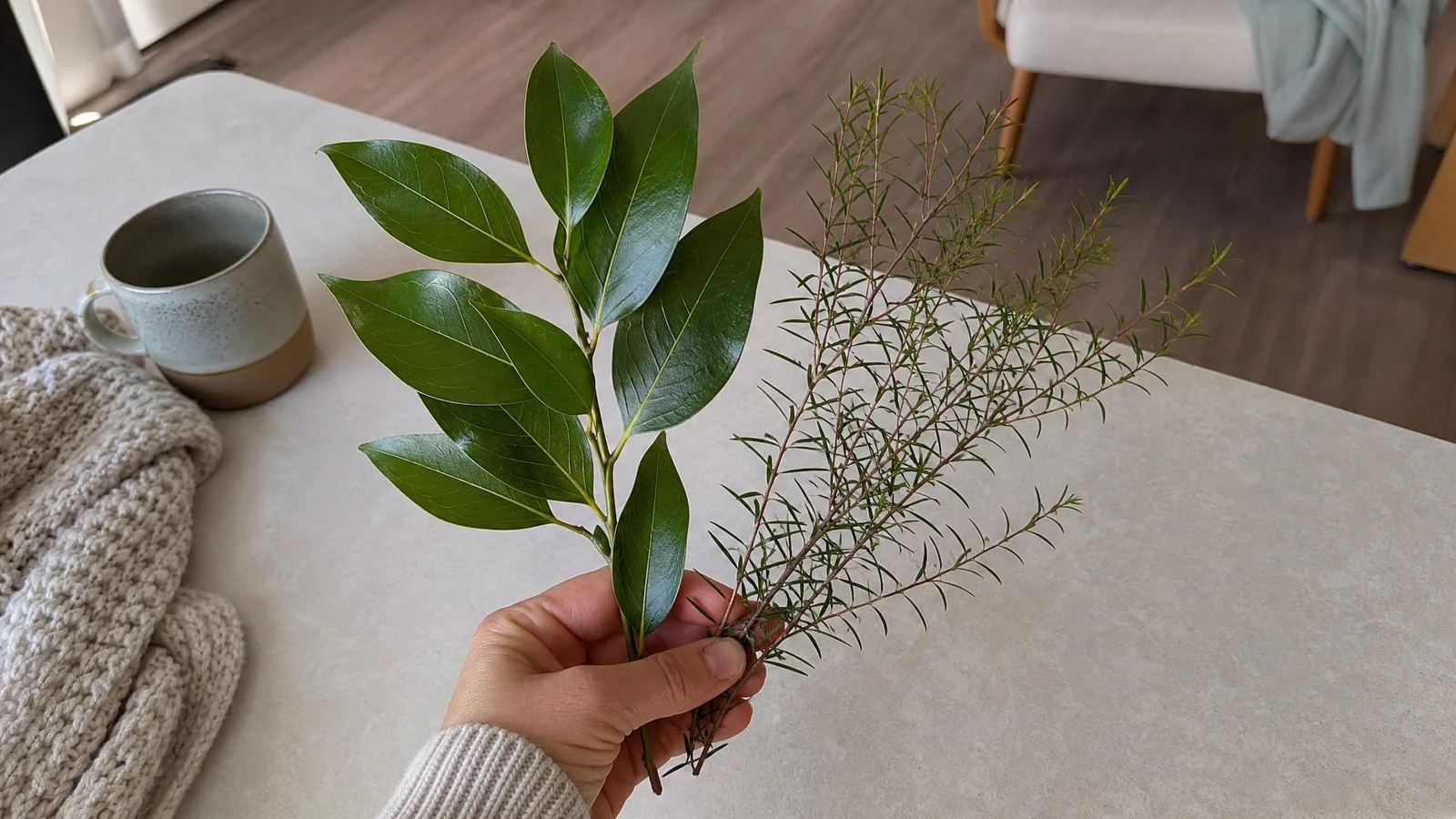
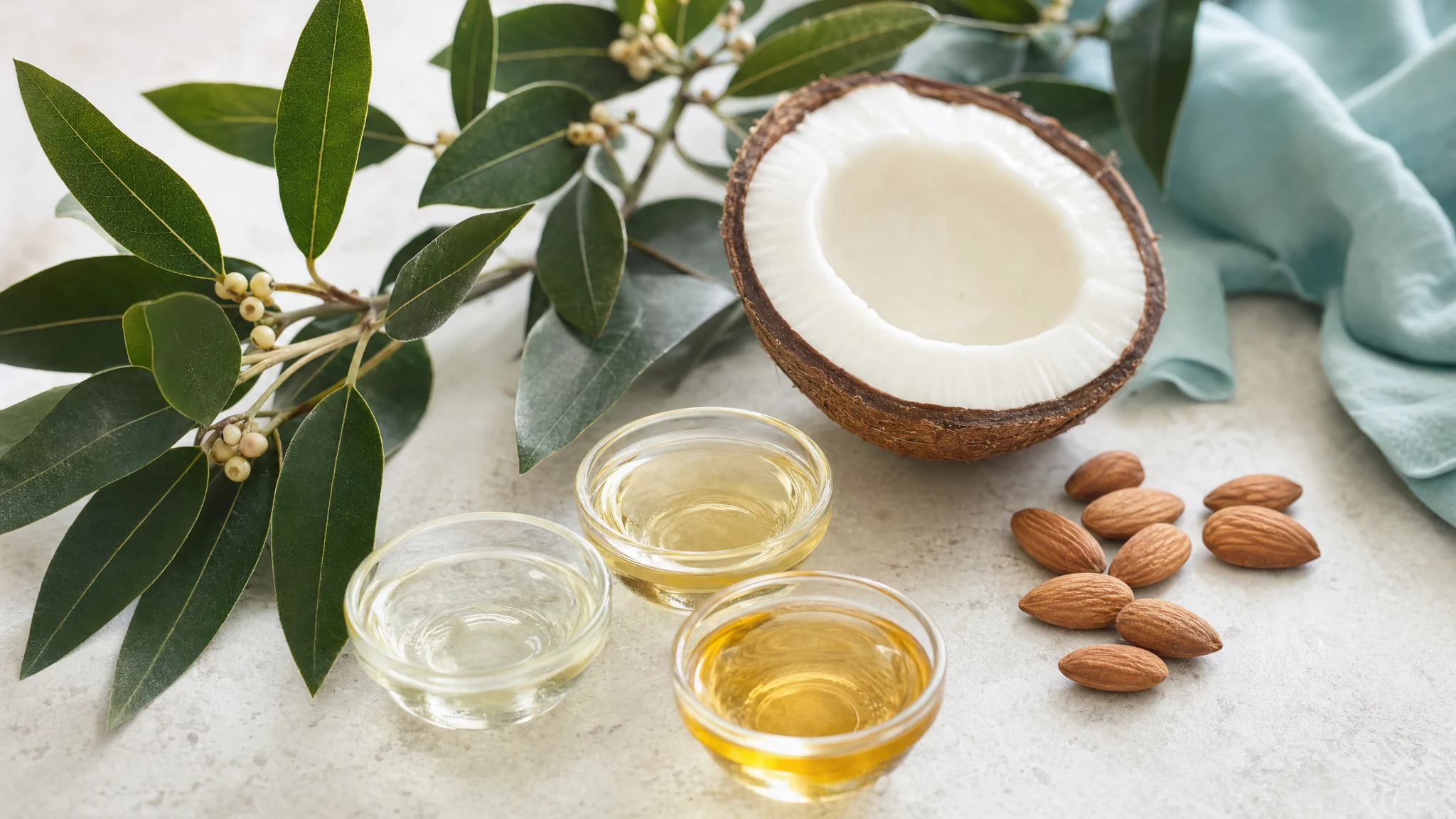
The camphor in "camphor oil" is mostly not camphor. When the camphor tree's distillate is processed, the crystalline camphor is filtered out first, and the oil is then cut into fractions. The Tisserand Institute notes that these fractions hold only a little camphor, up to 9 percent and more typically about 3 percent. What leads the white fraction, the one we sell, is 1,8-cineole.
One white camphor oil specification assessed by EFSA shows how the rest of the oil is dressed: 1,8-cineole at 27 to 43 percent, then lemony limonene, sweetish p-cymene and piney alpha-pinene. Eucalyptus globulus oil, by comparison, typically carries more than 70 percent cineole.
That is the useful way to picture them. Eucalyptus is the big, clean version of the cineole note. White camphor oil is the same note with more going on around it, which is why we describe ours as sharp, cooling and crystalline with a dry woody base. The reference descriptions of the molecules point the same way: PubChem records 1,8-cineole's odor as "camphor-like," limonene as lemon-like and alpha-pinene as pine.
Menthol is a different animal
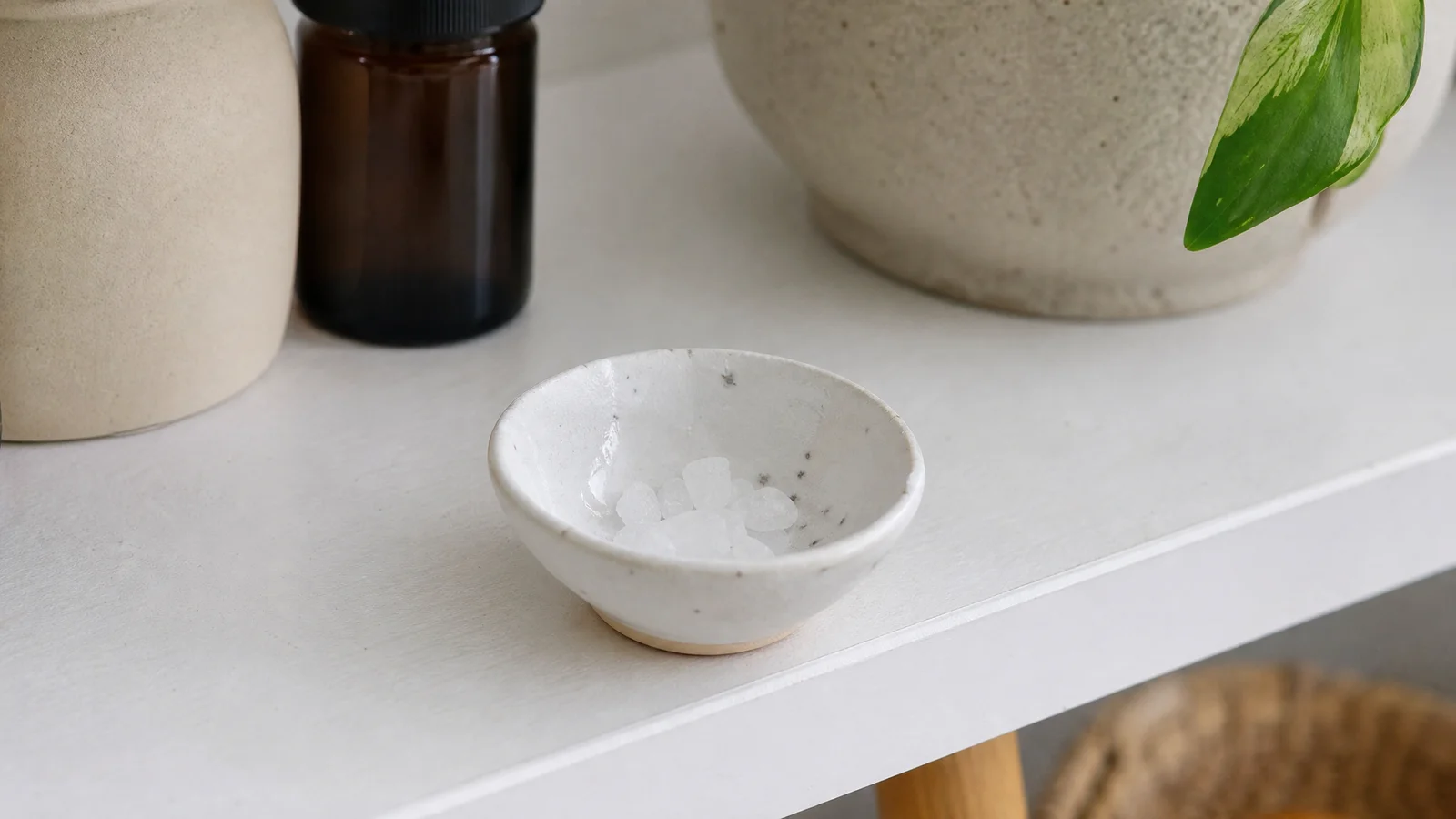
Menthol is a single compound that crystallizes at room temperature; PubChem lists its melting point at roughly 41 to 43 °C. It is the leading constituent of mint oils, at around 30 to 55 percent of peppermint oil depending on the standard, according to a 2023 review of peppermint specifications. It is also why "menthol" on a label can mean the crystals, a mint oil, or a flavor. Cooling compounds like it turn up everywhere from toothpaste to confectionery to cosmetics, as Eccles described in a classic review.

Nothing in the camphor or eucalyptus profile smells like that sweet mint. If mint is what you are after, our camphor and peppermint comparison goes through the difference in detail.
Cool to the nose is not cool to the skin
There is a second meaning of "cool," and it is a sensation. In lab work on cells, Selescu and colleagues found that camphor activates TRPM8, the channel that senses cold and menthol, and that it also dampens the channel's response to menthol. So the two cools are related but not identical, which fits what people notice when they smell them. This is chemistry done on the compound, not a promise about any bottle.
A scent strip tasting
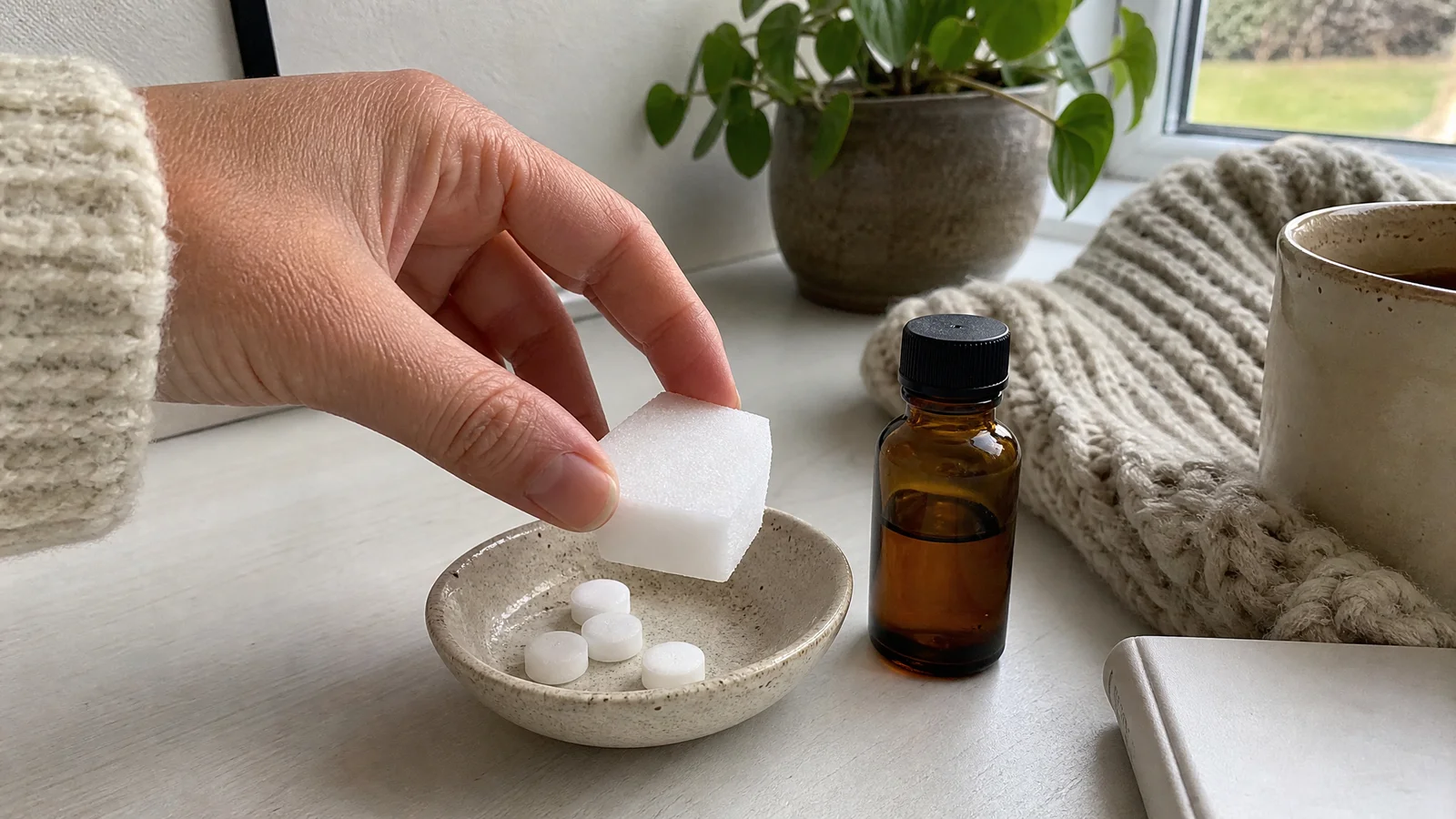
If you want to really understand the differences, set up a small tasting at a table. Cut three paper strips, put one drop of a different oil on each, and write the name in pencil at the top. Smell them one at a time, with a few seconds of fresh air in between, and take brief notes on the first impression, the middle and what is left after a few minutes.
You will probably find that eucalyptus smells broad and open, that the camphor feels drier and a little more complicated, and that the menthol-led oil is the sweet one standing apart. Your own words for each will be more useful to you than anything we can write, and they will help you choose when you are blending later.
Choosing by job
- A big, clean lift in a room blend: eucalyptus is the straightforward pick, since it carries the most cineole.
- Sweet, minty freshness: peppermint or menthol, the only one of the three that actually smells minty.
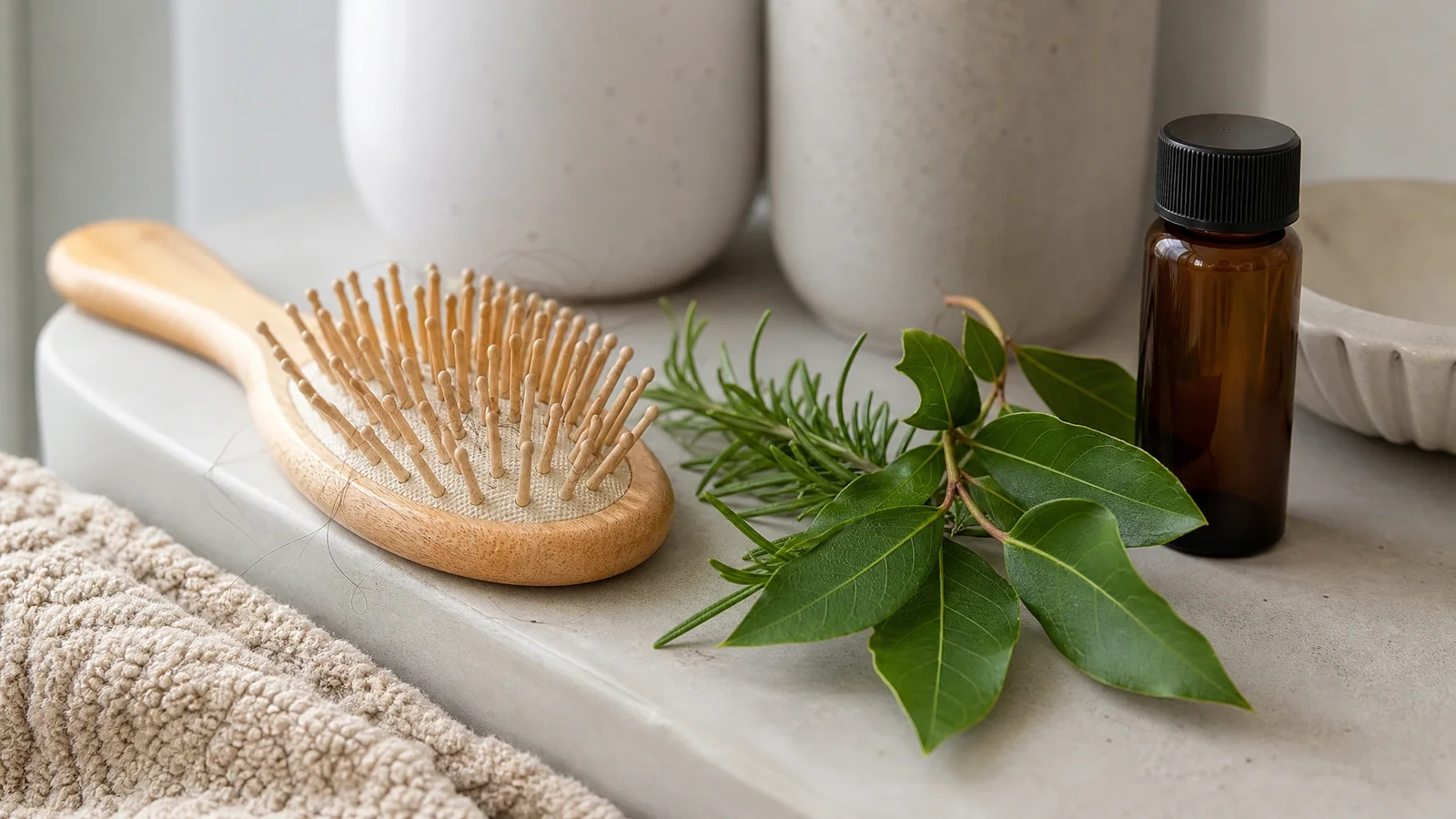
- A dry, woody edge under citrus or conifer: this is where white camphor oil earns its place. We recommend treating it as an accent, a drop or two to sharpen lavender, rosemary, citrus and conifer notes, rather than the star of the blend. Our pairing guide goes through which oils suit it.
- Lip balm, toothpaste or sweets: reach for menthol and food-grade mint, which are made for it. Camphor oil is never taken by mouth.
If you only want one cool bottle and have no special reason to choose camphor, eucalyptus is the simpler first buy. If you already love the dry, crystalline character of camphor, or want an accent that makes other oils sing, that is the job ours does. It is available in our shop, larger sizes are listed on our bulk page, and our guide to buying camphor essential oil in bulk explains what to check before ordering more.

A word on handling all three
All three are strong materials, so the habits are shared. Dilute for skin (our dilution guidance for camphor oil is 0.5% to 2% in a carrier, with a patch test first), keep bottles out of reach of children and pets, and never swallow camphor. Camphor is neurotoxic in quantity and contraindicated for infants and young children, and the Tisserand Institute has a similar caution about peppermint near small children's faces. Our safety guide and pet article cover the camphor side in full.
The nicest way to learn the differences is on a scent strip, one oil at a time. The camphor and eucalyptus will sit close together, and the menthol will stand off on its own.
Camphor Essential Oil
Camphor Essential Oil from our own shop, in sizes from 0.5 oz to bulk.
From $9.99
Shop Now →Sources & Further Reading
- Tisserand Institute. Ho Wood, Ravintsara and Camphor oils from the same plant. tisserandinstitute.org
- EFSA FEEDAP Panel, 2022. Camphor white oil (Cinnamomum camphora) assessment. pmc.ncbi.nlm.nih.gov/PMC8756382
- Mieres-Castro D et al., 2021. Antiviral activities of Eucalyptus essential oils. Pharmaceuticals 14(12):1210. pmc.ncbi.nlm.nih.gov/PMC8706319
- Hudz N et al., 2023. Mentha piperita: essential oil and extracts. Molecules 28(21):7444. pmc.ncbi.nlm.nih.gov/PMC10649426
- Eccles R, 1994. Menthol and related cooling compounds. J Pharm Pharmacol 46(8):618-30. europepmc.org/MED/7529306
- Selescu T et al., 2013. Camphor activates and sensitizes TRPM8 to cooling and icilin. Chem Senses 38(7):563-75. europepmc.org/MED/23828908
- PubChem. Menthol, 1,8-cineole, limonene and alpha-pinene compound records (melting point and odor descriptions). pubchem.ncbi.nlm.nih.gov/compound/16666
- Tisserand Institute. Kids and inhalation safety. tisserandinstitute.org/kids-inhalation-safety