Does Camphor Repel Mice? What Works Instead
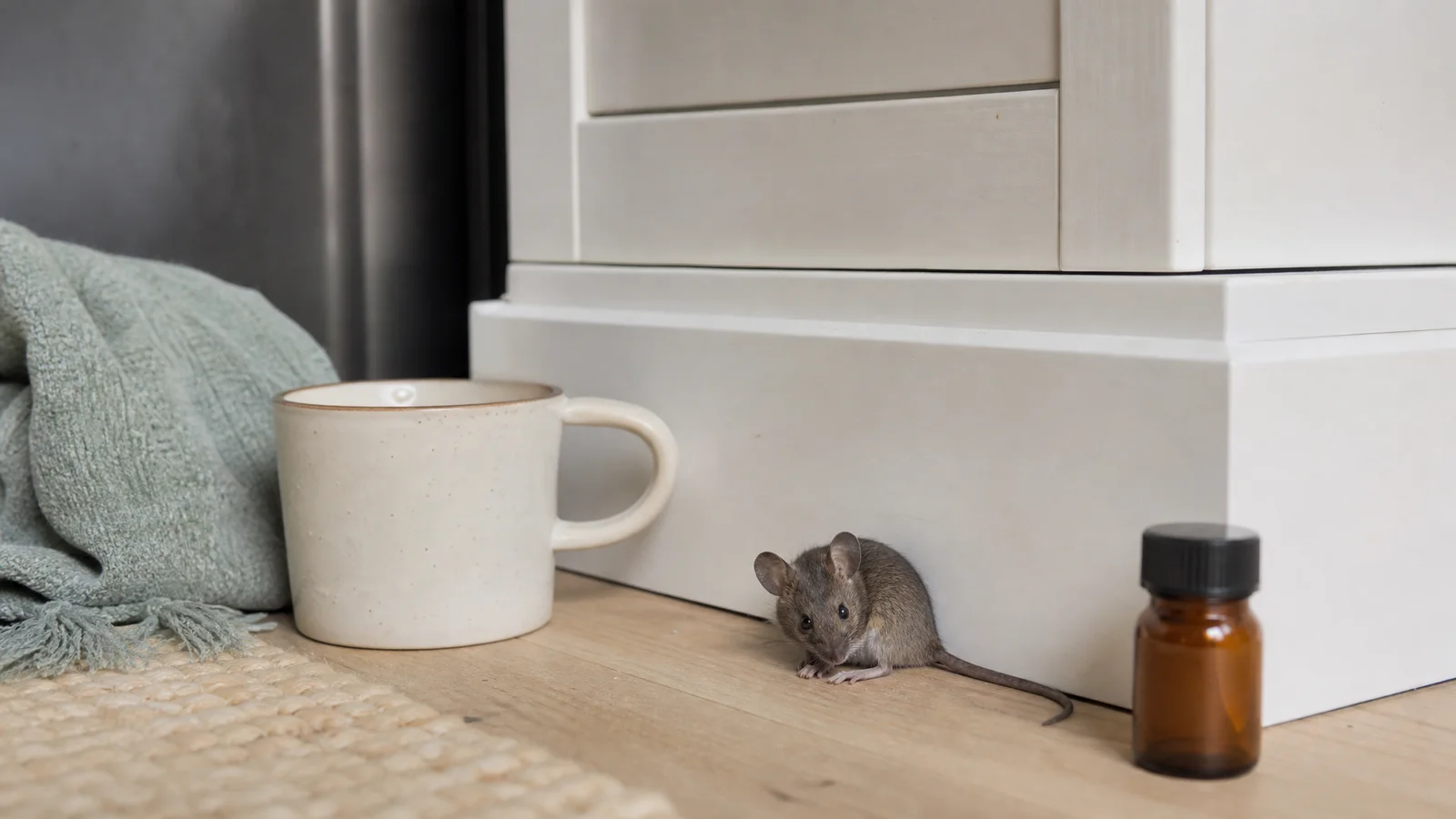
Camphor smells so strong that it seems obvious it should keep mice out of a garage or pantry. It is one of those tips that gets repeated until it feels like fact. We sell camphor oil, so we would love to tell you it works, but the honest, more useful answer is about gaps, traps and what to do with a bottle of oil instead.
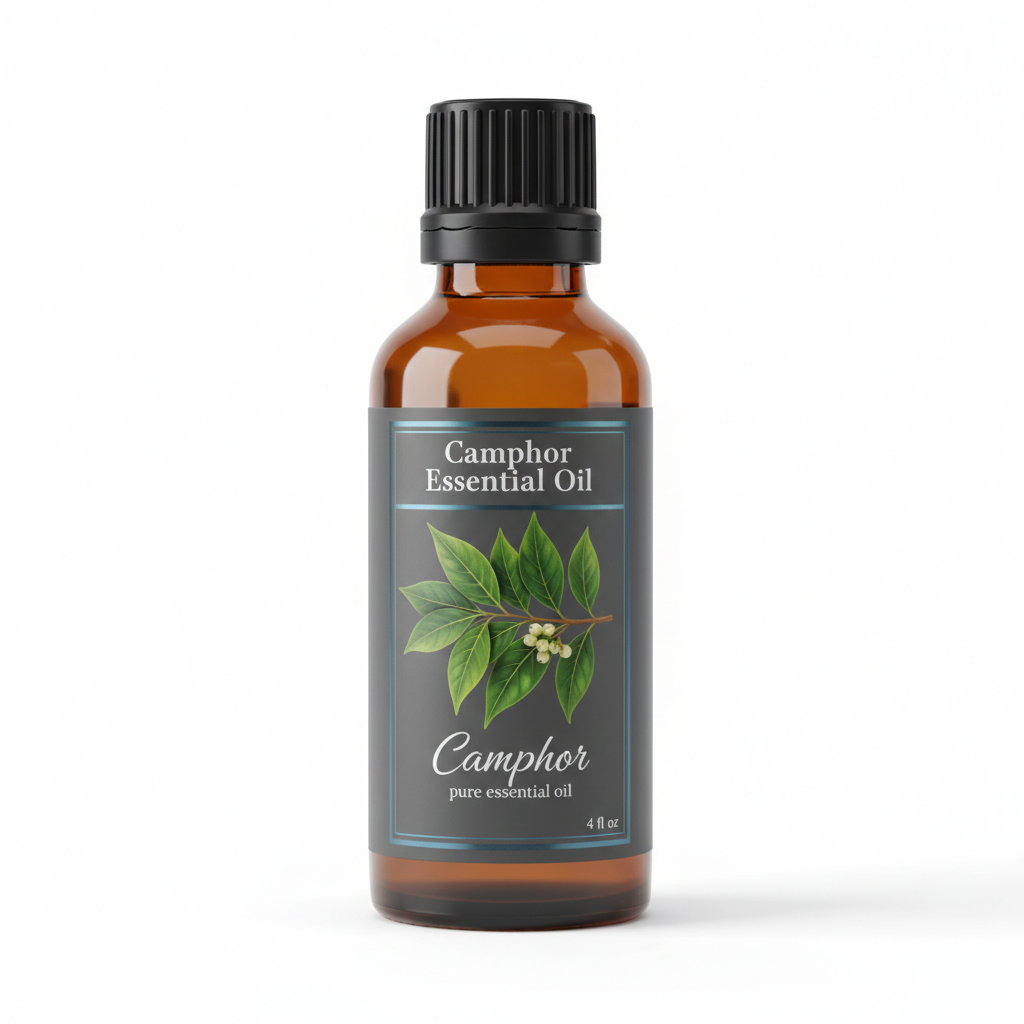
Camphor Essential Oil
Our own Camphor Essential Oil, in sizes from 0.5 oz to bulk.
From $9.99
Shop Now →What the pest-management experts say
The University of California's Integrated Pest Management program has a detailed house mouse guide covering exclusion, trapping, sanitation and repellent devices. It does not mention camphor at all. What it recommends is a plain method: keep mice out, trap the ones inside, and remove what lets them settle.
Why the idea feels true
A strong smell feels like a deterrent, and a mouse that goes quiet after you put out camphor looks like proof. But a mouse may have been about to move on anyway, or may simply have shifted to another wall. Without a comparison, you cannot tell a repelled mouse from a coincidence, which is exactly why extension programs lean on methods whose results you can count. Camphor is also volatile, with a vapor pressure of 0.2 mmHg in the NIOSH Pocket Guide for synthetic camphor, so by reasoning, a scented cotton ball weakens over days.
The garage test everyone runs
Almost everyone has a version of this story: a cotton ball by the water heater, a quiet week, and the conclusion that it worked. We understand the pull of it. You want a small, cheap, pleasant-smelling thing to do on a Saturday afternoon, and putting out a dish of something feels more satisfying than crawling around the foundation with a flashlight.
But a quiet week is a feeling, not a result. If you want to know whether anything is working, give yourself something to count: the number of droppings along a wall, the number of traps sprung, the number of spots where you can still see daylight under a door. Numbers are less romantic than a good smell, and they are what tell you the truth.
A note on mothballs
Please do not scatter mothballs for rodents. The National Pesticide Information Center explains that mothballs are pesticides regulated by the EPA, that the label defines where and how they can legally be used, and that using them any other way is illegal and can harm people, pets and the environment. Camphor oil is not a mothball, and our oil is sold as an aromatic material, not a pesticide.
What does work, according to UC IPM
- Close the gaps. Mice can enter through openings as small as a quarter inch, and the guide calls exclusion the most successful and permanent control: eliminate gaps and openings larger than 1/4 inch around pipes, vents, doors and the foundation.
- Seal with the right material. Steel wool makes a good temporary plug but may rust, and permanent repairs should use metal or concrete. Plastic, rubber, foam and wood are ineffective because mice gnaw through them.
- Trap first. For most homes the guide calls trapping a great first step, best with enough traps to keep the effort short, set along walls, behind objects and in dark corners. House mice seldom travel more than about 30 feet from their nest and food, so it suggests spacing traps no more than about 10 feet apart.
- Clean up. The guide says there is no simple fix, and that sanitation and exclusion have to go together with trapping. Sealed food containers and less clutter along walls leave fewer places to settle.
- Be skeptical of gadgets. Ultrasonic sounds are directional, do not pass behind objects, fade quickly with distance, and mice get used to repeated sounds.
Because camphor appears nowhere in that guidance, we would not add it to a trapping plan. A strong scent next to a trap is an extra variable in a method that already works, and counting catches will tell you far more than a quiet week will. If activity continues, you have probably missed an entry point, and a licensed pest professional can help find it.
A bottle on the shelf is still a hazard
An open dish of camphor oil in a garage or basement is not a barrier, and it is within reach of family animals. Pet Poison Helpline says camphor is readily absorbed through the skin of dogs and cats, with vomiting and, in larger amounts, seizures among the signs, and our pet safety guide goes into this. Camphor is also contraindicated for infants and young children, and any swallowing is an emergency: call Poison Help at 1-800-222-1222, your veterinarian or Pet Poison Helpline, and 911 for seizures or trouble breathing.
A short walk around the house
Next time you are home with an hour to spare, walk the outside of the building slowly and look low. Check where pipes, cables and vents come through the wall. Look at the gap under the garage door and the edges of the door itself. Peek behind the stacked boxes in the pantry and under the sink. You are not looking for mice, just for the places a small animal would call a doorway. Most people are surprised how many there are, and every one you close is worth more than any scent.
Where camphor fits in the house
It fits where it always did, as a crisp aroma in a closed closet or drawer. We cover the jobs that suit it, and the ones that do not, in camphor oil around the home. Our posts on cockroaches and ants and clothes moths take the same evidence-first approach, and we make no pest-control claim for the oil.
For mice, spend your money on steel wool, a handful of snap traps and a few airtight containers, and keep the camphor oil for what it does best, which is smelling cool and clean.
Camphor Essential Oil
Camphor Essential Oil from our own shop, in sizes from 0.5 oz to bulk.
From $9.99
Shop Now →