Burning Camphor Indoors: Ritual Flame vs Room Freshener
Picture a small flame in a brass dish at the end of an evening prayer, a cube of camphor burning down to nothing and leaving a sharp, clean smell in the room. For millions of households that moment means something. The same smell has also led to a different, modern habit: burning camphor to "freshen" or "purify" a room. Those are two different things, and they deserve different answers.
Camphor Essential Oil
Our own Camphor Essential Oil, in sizes from 0.5 oz to bulk.
From $9.99
Shop Now →The ritual and the household hack
A brief flame at a puja or aarti is a cultural practice with its own meaning, and nothing here is aimed at it; our history of camphor follows how the substance came to be part of those traditions. The household claim is another matter. It says that burning camphor, or a few drops of oil, cleans the air, drives away insects or keeps a room fresh for hours. Those are functional claims, and we can look at what is known about them.
Why the smell carries so much memory
Few scents move a person across time as fast as this one. Open a bottle of ours and the first thing you notice is that sharp, cooling, crystalline edge with a dry woody base underneath. For some readers that note arrives with a whole scene attached: a grandmother's front room, a temple doorway, a festival evening with the windows open. We love that about aromatics, and we would never want a safety article to flatten it.
It also explains why the "freshen the room" habit spreads so easily. To anyone who grew up with the smell, it says clean, so burning something that smells like that feels like cleaning. Keep the memory and the claim apart, and the rest of this gets much easier.
What burning does to a room
The US EPA is direct about this. Its indoor air pages say that burning or combusting almost anything produces fine particulate matter, and that combustion can also release byproducts such as carbon monoxide directly into the home. It lists candles among the sources, and advises that the best way to reduce indoor particles is usually to reduce their sources (US EPA, sources of indoor particulate matter).
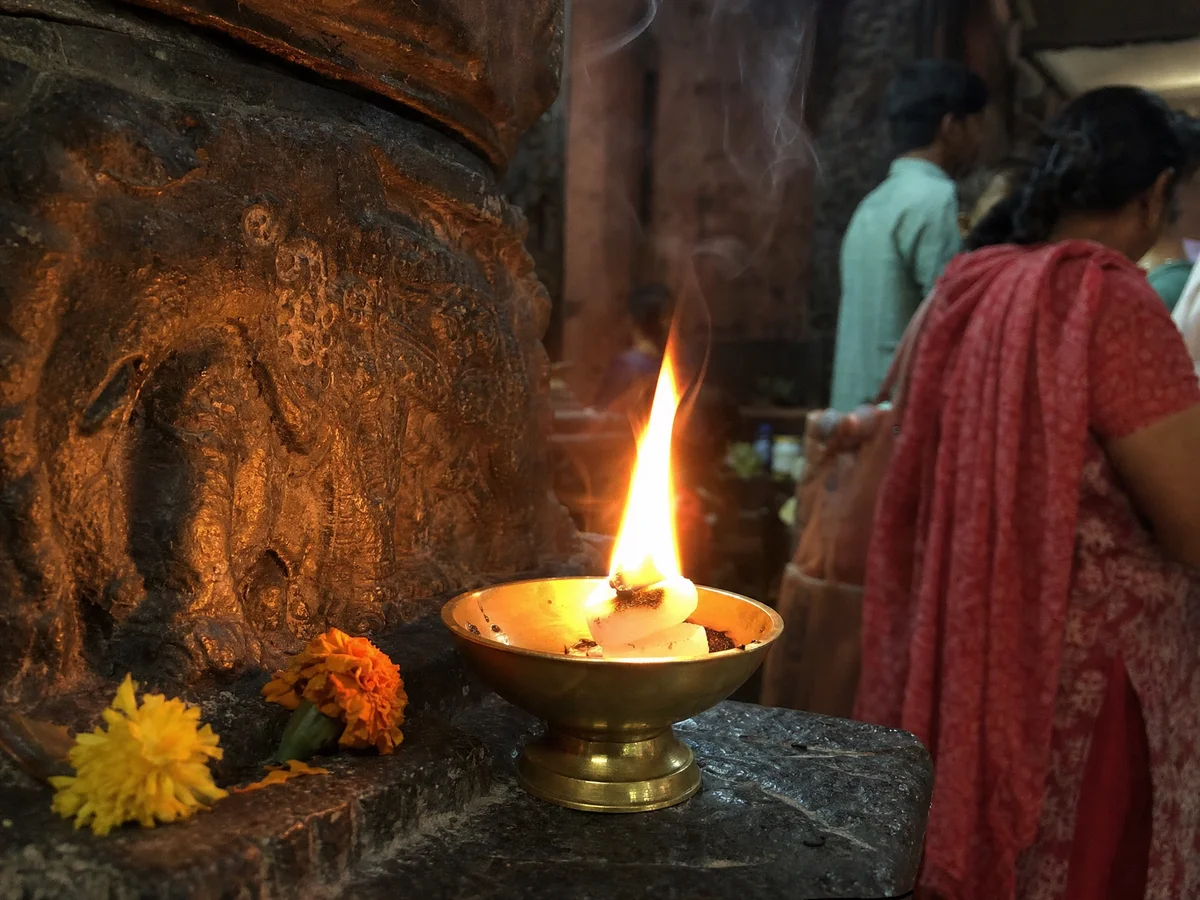
Camphor smoke has not, as far as we could find, been measured in a home the way incense has. So here is some reasoning, labelled as such: camphor is not incense, but a solid burning in a closed room is still combustion, and combustion adds particles to the air. That means the claim that burning camphor "purifies" a room runs the wrong way. A flame adds material to the air; it does not take any away.
Camphor has its own handling rules
Before anything burns, camphor already carries guidance of its own. The US National Institute for Occupational Safety and Health lists inhalation, skin absorption, ingestion and eye contact as exposure routes for camphor, with irritation of the eyes, nose and throat, nausea, headache and dizziness among the symptoms of overexposure (NIOSH Pocket Guide, camphor (synthetic)). That entry covers the synthetic compound at workplace exposure levels, so it is not a household limit, but it does explain why we treat camphor vapor with respect. The same entry lists a flash point of 150 degrees F, which tells you camphor and open flame belong well apart from anything flammable.
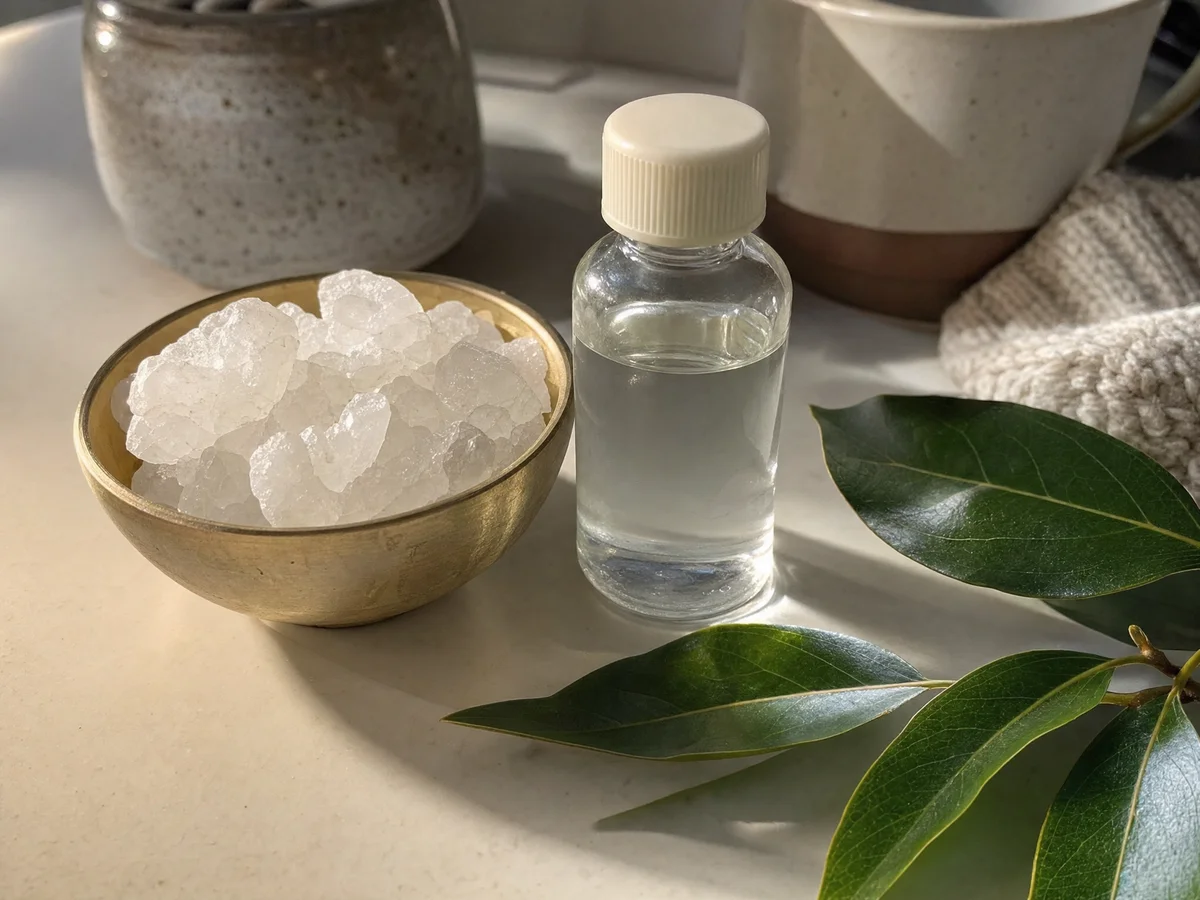
Children are the larger concern. Camphor is dangerous to small children if swallowed, and a tablet or block sitting near a ritual space looks like candy to a toddler. Keep any camphor on a high shelf, in its original container, and see our guide to camphor poisoning symptoms and what to do first if a child ever gets hold of some.
Before you light anything
Stand in the room for a minute and look at it the way a guest would. Is there a smoke alarm nearby, and does it work? Is the dish steady, on a surface that cannot scorch? Is there a curtain, a throw or a paper garland within arm's reach? Is anyone in the house small enough to grab a dish, or sleepy enough not to notice a flame? These are dull questions, and they are the ones that matter on the day.
Keep a small lid or a metal tray close by, so a flame can be covered rather than blown at, and never leave a burning dish alone, even for the length of a phone call.
A calmer way to enjoy the scent
If it is the smell of camphor you want in a room, there is a gentler route than a flame. We sell a cosmetic camphor oil, not a fuel, and we do not suggest burning it. A diffuser releases scent without combustion, with limits of its own, and How to Diffuse Camphor Oil Safely (and When Not To) goes through them, including who should skip it. An open window does the rest.
If a flame is part of your tradition
For those who keep a ritual flame, a few sensible habits cost nothing:
- Keep it brief, and open a window or door while it burns.
- Use a stable, heat-proof dish away from curtains, cloth and anything else that burns.
- Keep children and pets out of the room while it burns, and put the unburnt camphor away afterwards.
- If anyone feels dizzy, headachy or short of breath, air the room and step outside.
If you simply love the smell
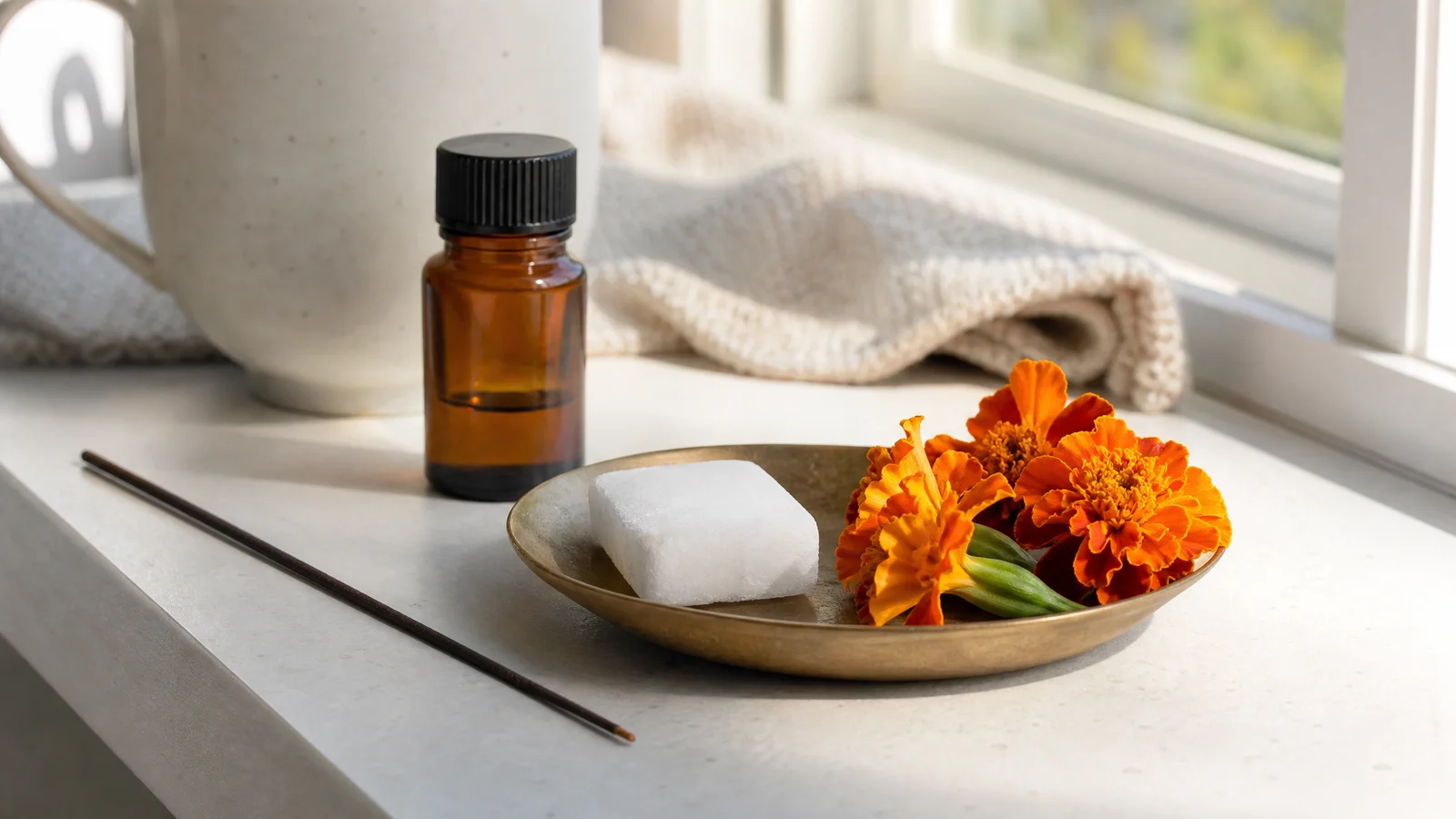
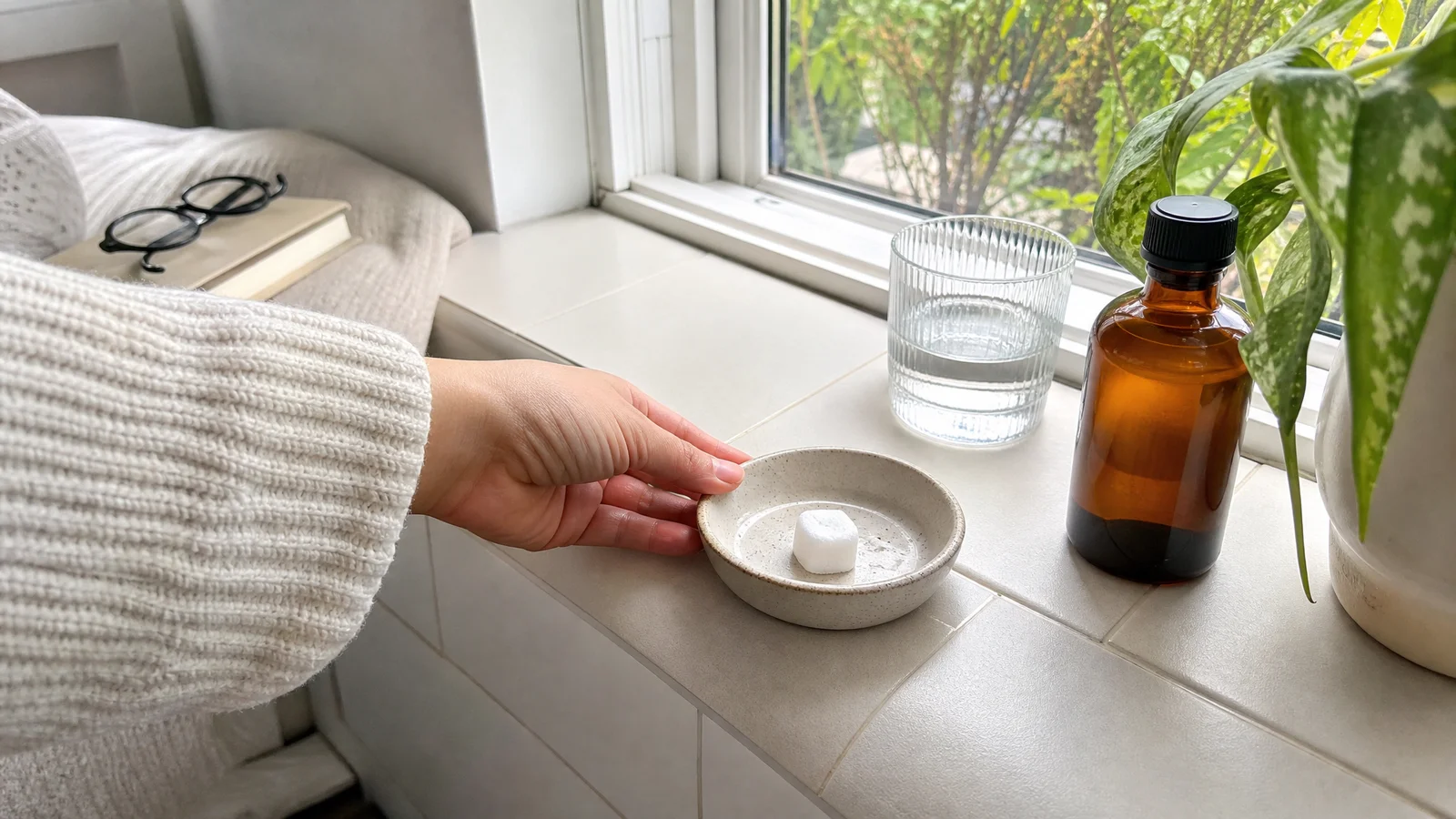
Plenty of people just like the scent and have no ritual in mind. Open the bottle, hold it a hand's width from your nose for a few seconds, and then cap it tightly. That first sniff is the best part anyway, and it costs nothing. A paper scent strip with a single drop, left on a shelf away from children and animals, gives you a hint of the same character for a while without a flame or a pile of ash.
Anyone with asthma, a seizure history, or a baby in the home should check with a physician or pharmacist about burning anything indoors.
So the old question has a gentle answer: honour the tradition, keep the flame short and the room open, and leave the "purifying" claim in the past.
Camphor Essential Oil
Camphor Essential Oil from our own shop, in sizes from 0.5 oz to bulk.
From $9.99
Shop Now →