Camphor Oil on Linens: Scent Them After the Dryer
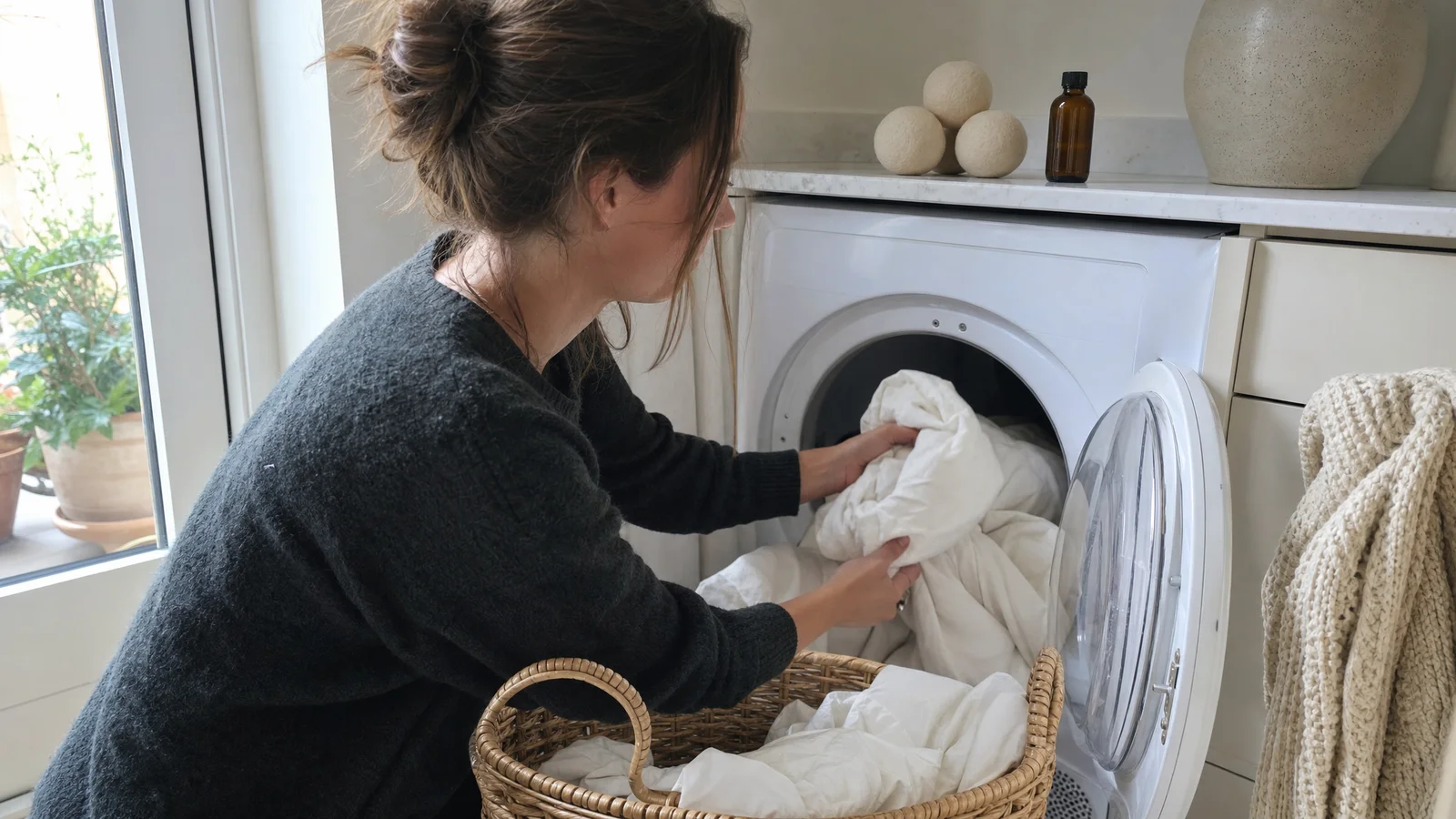
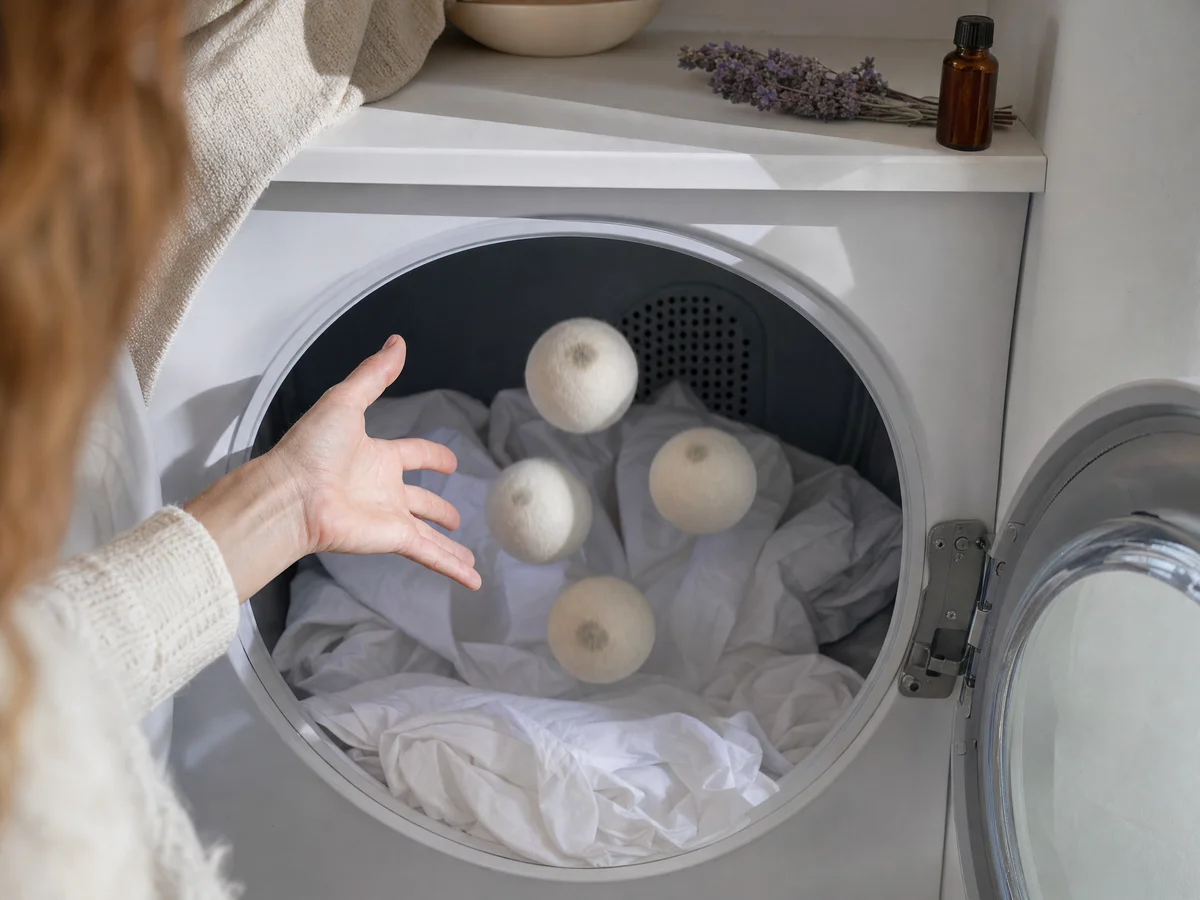
The popular laundry tip goes like this: put a few drops of essential oil on a wool dryer ball and toss it in with the load. We love a clean-smelling linen cupboard as much as anyone, but with camphor oil we would scent the shelf after the dryer instead. The reason has nothing to do with the aroma and everything to do with where the oil ends up.
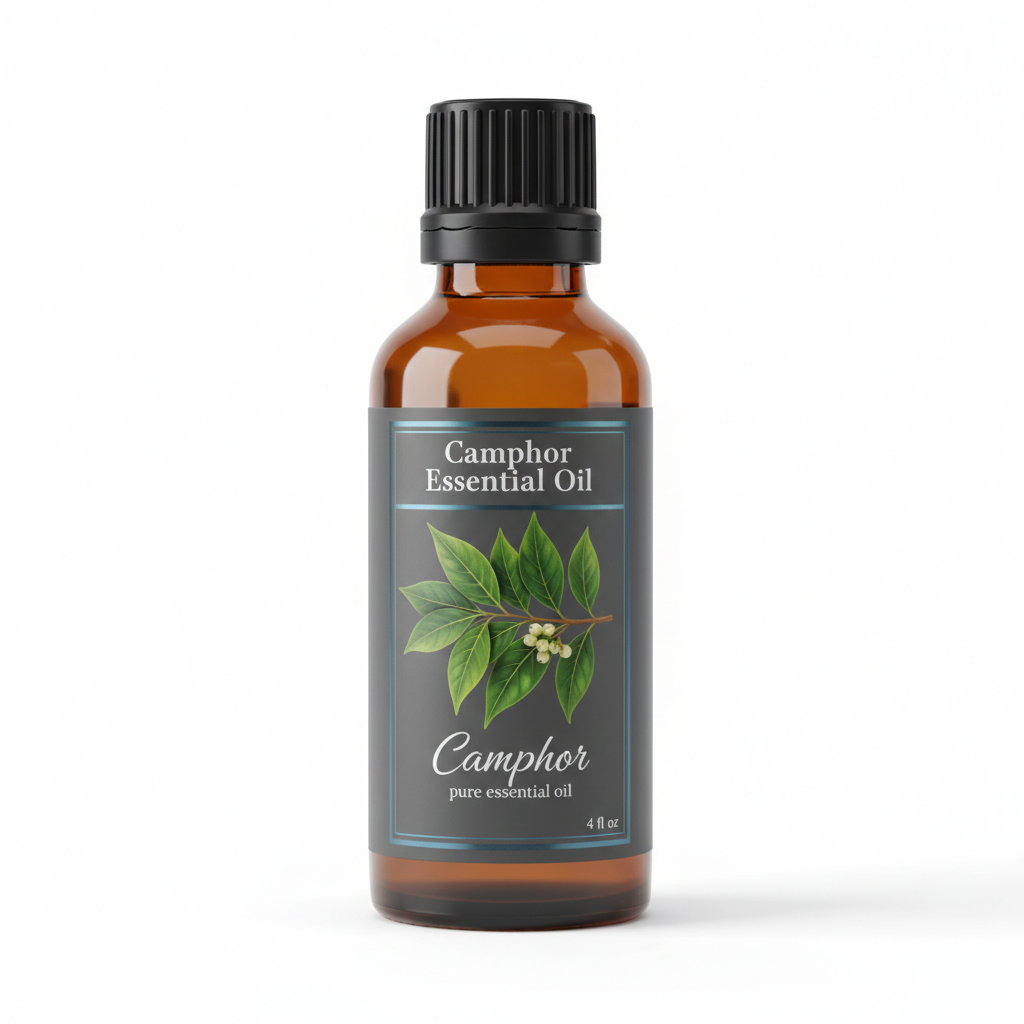
Camphor Essential Oil
Our own Camphor Essential Oil, in sizes from 0.5 oz to bulk.
From $9.99
Shop Now →"It evaporates, so there is nothing to worry about"
Camphor oil is thin and volatile, so it feels as if it should vanish. Fire-safety guidance does not lean on that. Great American Insurance Group's loss-control article on oils in linens explains that sheets and towels holding oil can ignite in a dryer or in storage, even after washing, and that residual oil is the usual culprit. It lists tea tree, lavender and citrus oils with flash points of 122 to 140 degrees F, and eucalyptus, rosemary, fir and others at 102 to 130 degrees F. A medium or high dryer setting, it notes, reaches about 135 degrees F.
That article is written for massage and spa linens and does not name camphor. The flash point we can cite, 150 degrees F from the NIOSH Pocket Guide, belongs to synthetic camphor, the compound itself, which is a different thing from an oil. So we reason the cautious way: treat camphor oil like any other oil on cloth, and keep it out of anything that is about to be heated.
If oil does reach a load
The same article gives habits for laundering oily linens, and they are sensible to have on hand after a spill:

- Wash at 104 degrees F or higher, since cooler water may not rinse oil away.
- Dry on low heat, below 125 degrees F, and avoid drying big stacks at once.
- Spread items out to cool instead of folding them hot into a pile.
- Clean the lint trap after every load.
If you spilled oil on a towel, wash it on its own and check by smell before it goes near heat. If you can still smell camphor after a wash, keep it out of the dryer and wash again.
Where camphor does belong: the clean, folded stage
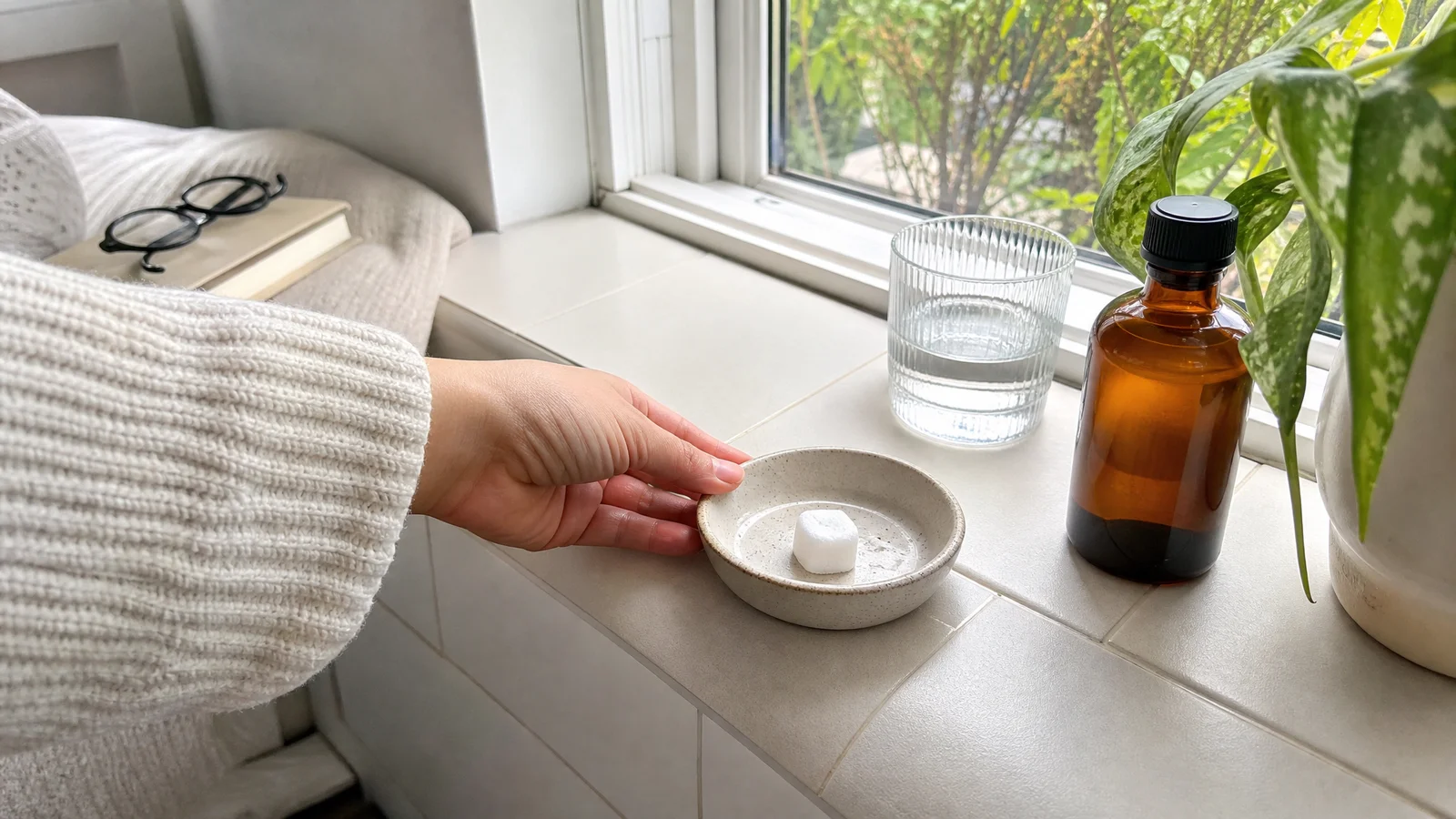
For a cool, clean note on stored sheets, scent them after the dryer and keep the oil off the cloth with a holder. A cotton pad in a small mesh bag, a tin with a perforated lid, or a wooden bead on a cord all work on a linen shelf. Our closet guide walks through placement and how many drops to start with, and the same thinking applies here.
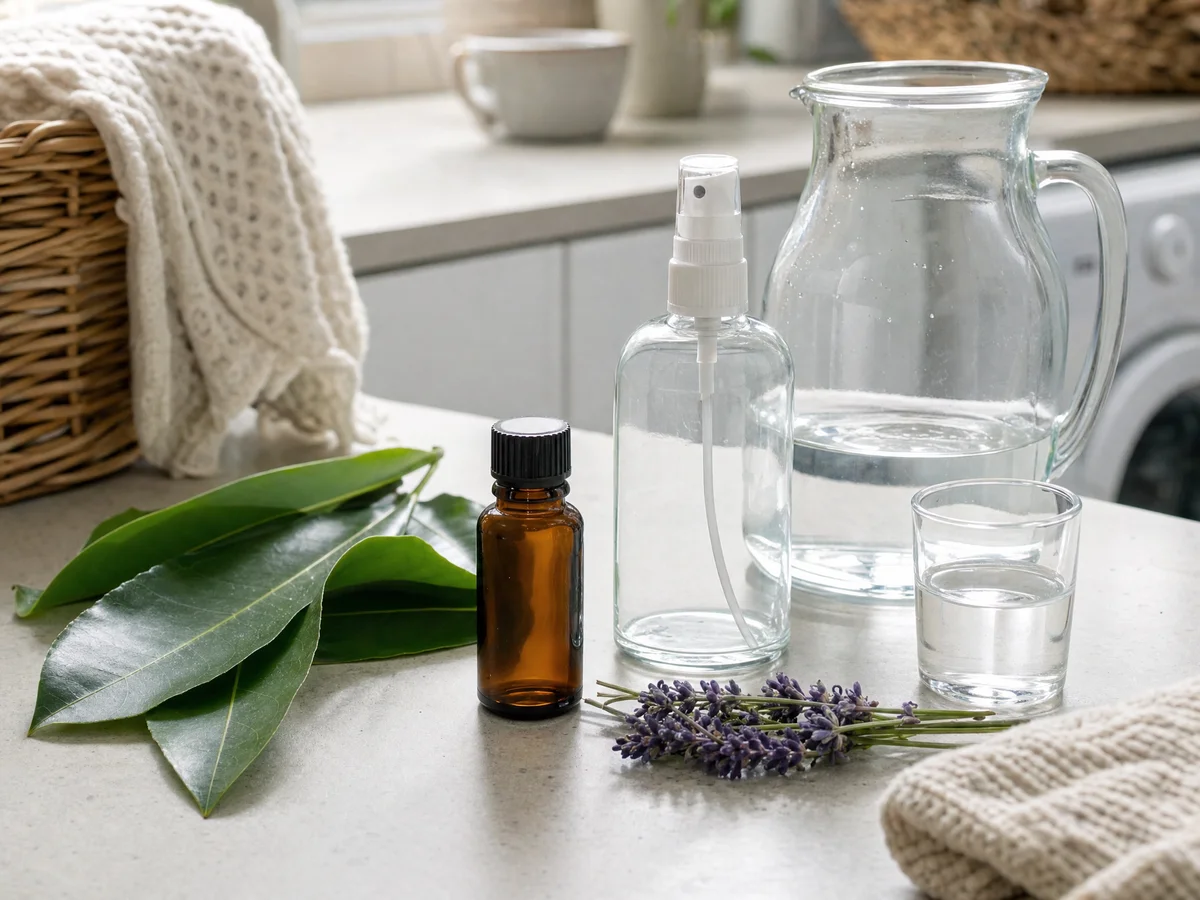
A linen mist is the other route. It puts a thin, diluted layer on the surface, but it has to be made properly with a solubilizer and a preservative; the arithmetic is in our room spray guide.
What a good linen shelf smells like
The nicest linen cupboards smell faintly of something, never loudly. When you open the door you should get a small breath of coolness and then, a second later, the clean smell of folded cotton. If the camphor note hits you from across the room, there is too much of it, and the fix is to remove a pad or use fewer drops, not to add more.
Give the shelf a day to settle after you change anything, since a fresh drop is always louder than it will be tomorrow.
Sheets and towels are not a carrier
A pillowcase or towel sits against skin for hours. Our guidance is to dilute camphor oil to 0.5% to 2% in a carrier before any skin contact and to patch test first, and a bedsheet is not a carrier. The American Academy of Allergy, Asthma and Immunology describes case reports of allergic contact dermatitis from camphor-containing products, so anyone who has reacted to camphor rubs before should ask an allergist. In practice, the goal is linen that smells faintly of camphor when you open the cupboard and is never damp with oil when it is used.
Babies and pets
Camphor is contraindicated for infants and young children, and topical application near a small child's face has caused serious harm, so we would leave camphor scent off baby bedding, sleepwear and burp cloths entirely. Pet Poison Helpline says camphor is toxic to dogs and cats, absorbed readily through the skin, and linked to vomiting, diarrhea and, in larger amounts, seizures, which makes pet beds and blankets a poor place for it too. See camphor and children for more.
Three questions before scenting anything
Ask them in order and stop at the first no. Will the oil touch fabric that is about to be heated? If so, wait until after drying. Will the item touch a baby, a pet, or someone who has reacted to camphor? If so, leave the oil out. Can you hold the oil in a pad, tin or bag so it never wets the cloth? If so, you have a low-effort setup for a linen shelf. This is our reasoning from the fire guidance and the safety statements above, and your dryer's manual is the authority on heat settings.
Our camphor oil is the white fraction of the distillate, sold undiluted. The Certificate of Analysis we publish for one batch lists density, refractive index and optical rotation, with no GC/MS profile; if you need a lot report before using it in anything involving heat, ask us in writing through the contact page.
A little camphor on a pad beside the folded towels can give a linen closet a cool, tidy note, and that works best when the oil stays beside the cloth and the dryer stays oil-free.
Camphor Essential Oil
Camphor Essential Oil from our own shop, in sizes from 0.5 oz to bulk.
From $9.99
Shop Now →