Camphor in Anti-Itch Creams: Why It Is on the Label
Turn over an anti-itch lotion or a cooling gel and there is a fair chance camphor is on the ingredient list. That is the one place where camphor's name appears in a recognized skin context, which makes it worth a closer look.
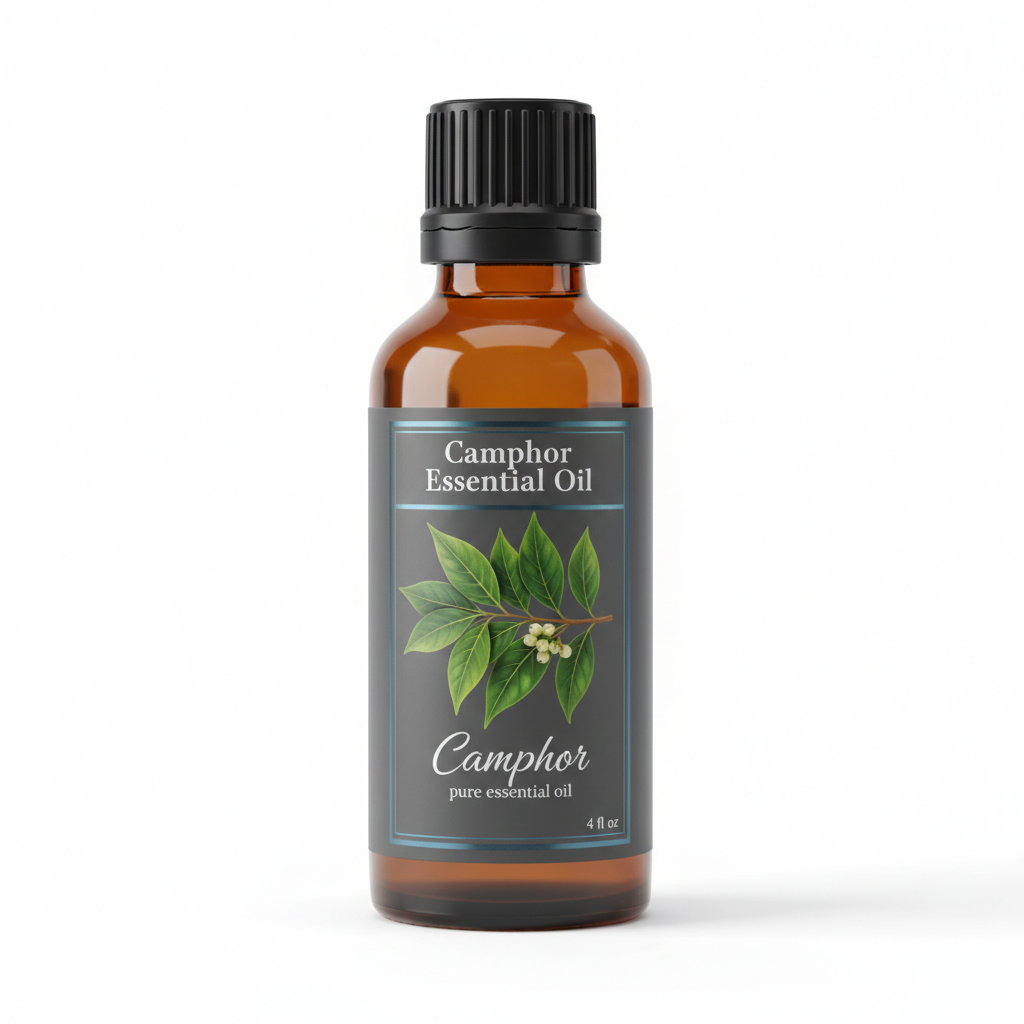
Camphor Essential Oil
Our own Camphor Essential Oil, in sizes from 0.5 oz to bulk.
From $9.99
Shop Now →Why it is there
Camphor activates TRPM8, the cold-sensing channel that menthol also uses, according to a 2013 Chemical Senses study in cells and rat sensory neurons. Cool and tingly competes for attention with itchy, and that is the likely idea behind those labels. It is a sensory explanation and our reasoning, not a finding about itch in people.
As for evidence in people, a 2023 analysis in Cureus by Hoang and colleagues searched English-language PubMed articles from 2010 to 2022 on camphor- and menthol-containing agents. Of 103 results, 15 covered health-related use. The authors described topical use for pain, itch and upper respiratory symptoms as potentially effective, with only a limited number of studies for each, and they called for randomized, double-blind trials. In other words, a modest signal in a modest literature, and about camphor and menthol products as a group, not essential oil.
Reading the back of the tube
Next time you are in a pharmacy, pick up a few cooling gels and lotions and simply read them. You will see that the ingredient list is the smaller part of the story. The label also tells you what the product is for, how often to use it, which ages it is meant for and when to stop. That whole page is the product. The camphor is one line on it.
We find that a useful habit, because it changes how you think about a bottle of oil. Ours has none of that around it. It arrives as a concentrated aromatic with a botanical name and nothing else, which is lovely for a craft project and the reason it does not belong in the same category as a labelled tube.
What the cool feeling is, and what it is not
If you have ever opened a jar of something cooling and felt a quick rush of freshness on your fingertips, you know why people reach for these products. The feeling is vivid and immediate, and it is easy to read it as a sign that something good is happening. We would rather you enjoy it for what it is, a sensation, and not assume it tells you anything about the skin underneath.
A finished product and a bottle of oil
This is the heart of it. A cream or gel on a pharmacy shelf has been measured into a base by a manufacturer and comes with directions and warnings. Our oil is a neat, undiluted camphor essential oil, with no drug labeling, sold as an aromatic and cosmetic material. Those are two very different objects, and the leap from one to the other is where people get hurt. Because camphor oil is thin, volatile and concentrated, and drop sizes vary, a home percentage is only ever an estimate; our dilution guide shows why.
A bite or rash is skin that is already unhappy and often scratched, and a reaction on top of an itch is hard to tell apart from the itch. The American Academy of Allergy, Asthma and Immunology notes a few case reports of allergic contact dermatitis to camphor, in sunscreen and ear drops. That is a good reason to leave oil off irritated skin. A pharmacist can point you to a product made and labeled for the job, and persistent or spreading itch deserves a physician or dermatologist. Swelling, spreading redness or trouble breathing after a sting is an emergency.
What to do instead of reaching for the bottle
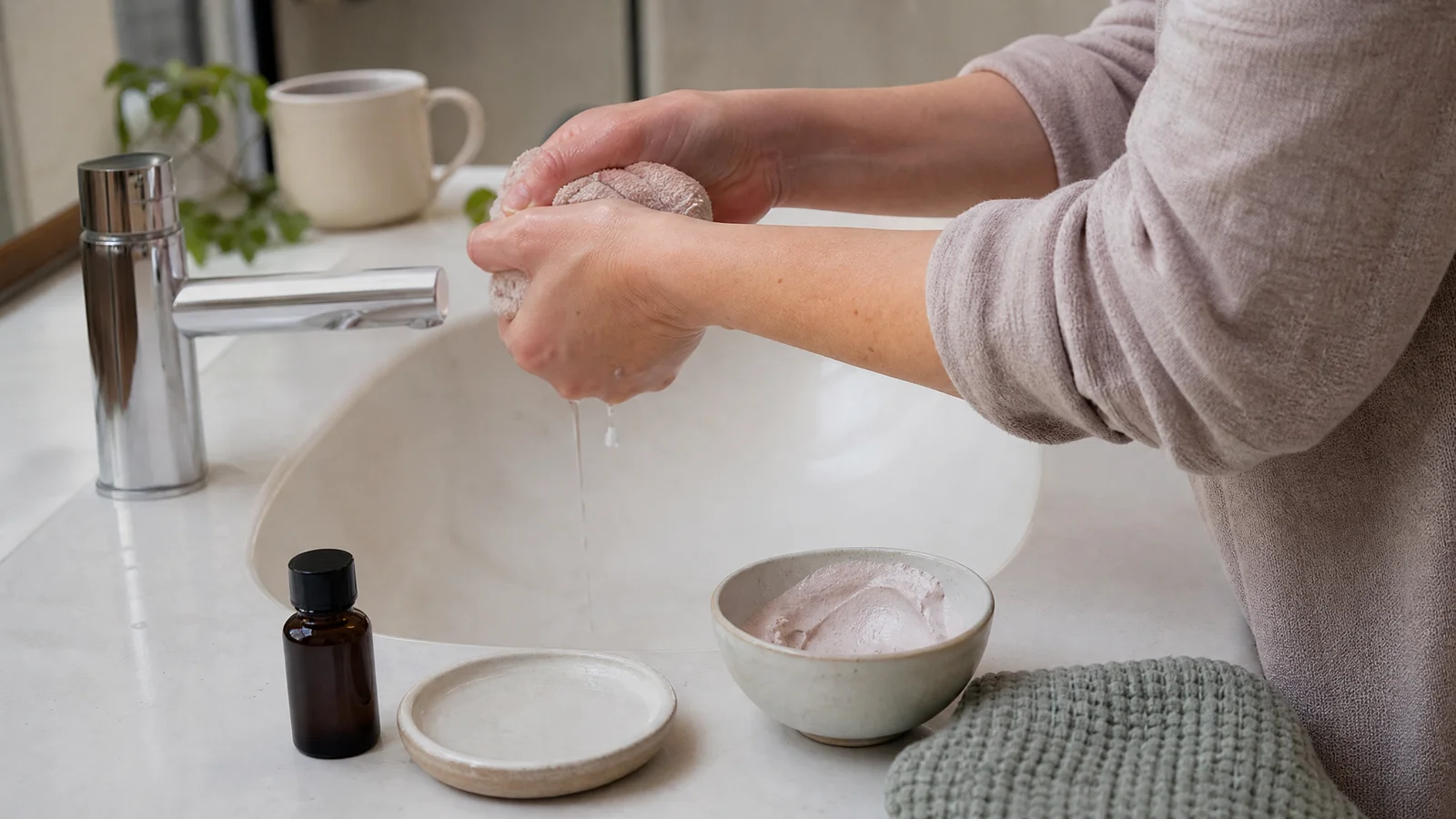
When skin is itchy, the plainest advice is usually the best. Wash your hands, keep nails short, and try not to scratch, since scratching turns a small annoyance into a bigger one. A clean cloth rinsed in cool water is a simple comfort, and a pharmacist can show you the labelled products made for the purpose and tell you which suit your age and situation. If the itch lingers, spreads or keeps you from your day, that is a question for a physician, not a shelf of essential oils.
We say this as people who love the oil. The better we know a material, the clearer we are about where it belongs, and a bite or a rash is not it.
Children and bites in general
For children the answer is firmer still. A 2009 Pediatrics report described three toddlers with seizures after camphor exposure, one of them through repeated rubbing on the skin, so a bite on a child is a conversation for a pediatrician or pharmacist; our children's page goes into the detail.
If the real goal is fewer bites, that is a separate question, and we take it up in our piece on camphor and mosquitoes. For how camphor is regulated more broadly, see our FDA camphor explainer.
We sell an external cosmetic oil, and the aroma is what we are proud of: sharp, cooling and crystalline over a dry woody base. For itch, ask a pharmacist.
Camphor Essential Oil
Camphor Essential Oil from our own shop, in sizes from 0.5 oz to bulk.
From $9.99
Shop Now →