Is Your Old Camphor Oil Still Good? How to Tell
A bottle of camphor oil seldom announces that it has aged. It still pours thin and clear, it still smells cool and sharp, and the only hint may be that the first sniff feels a little flatter than you remember. Knowing what is happening inside the bottle makes that hint easy to read.
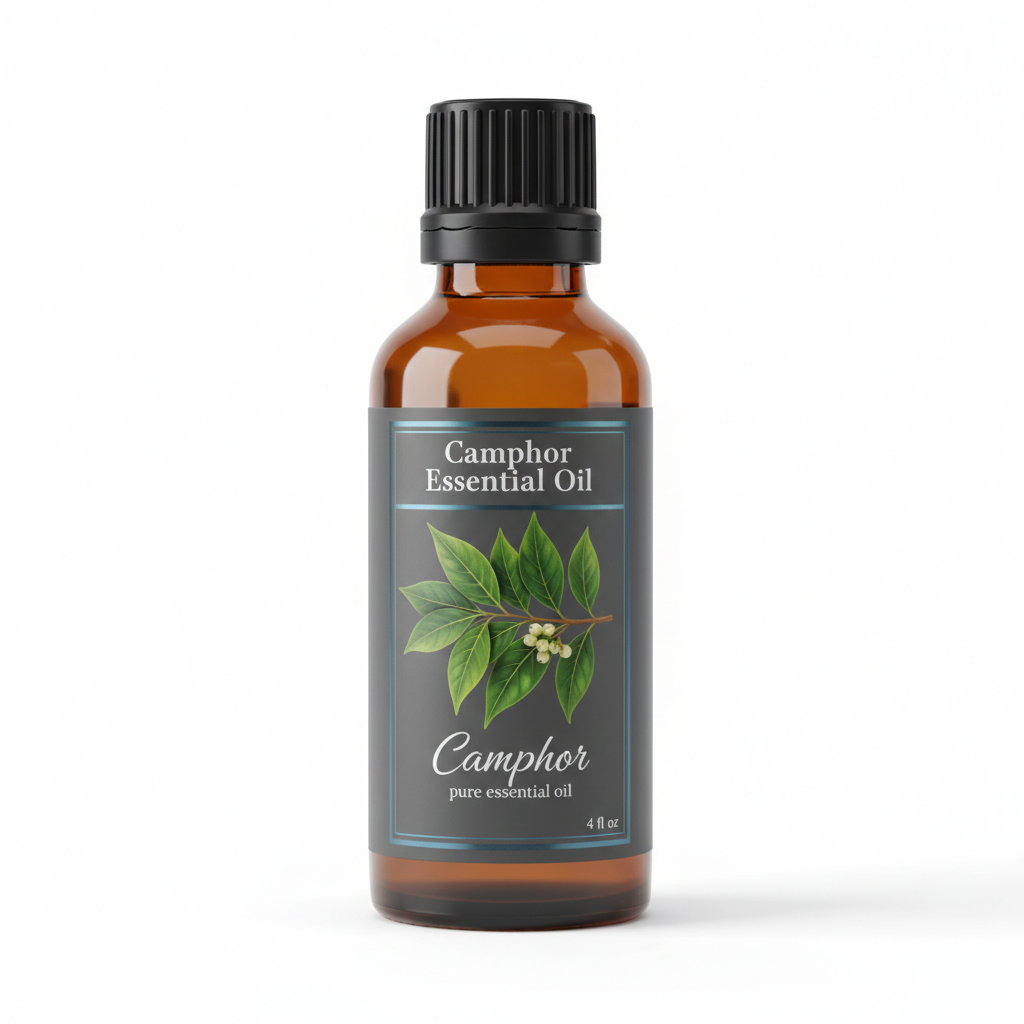
Camphor Essential Oil
Our own Camphor Essential Oil, in sizes from 0.5 oz to bulk.
From $9.99
Shop Now →What is actually changing
The word to know is oxidation. Oxygen slowly reacts with the aroma molecules in an essential oil, and the Tisserand Institute names three things that speed it along: heat, light and moisture. A 2025 review in Frontiers in Natural Products calls oxidation one of the primary causes of essential oil deterioration, and adds that polyunsaturated terpene hydrocarbons in particular are especially prone to it.
That matters for camphor oil because of what sits in a white fraction. A published European specification for a white camphor oil lists 1,8-cineole, limonene and alpha-pinene as its main components, with limonene and pinene both terpene hydrocarbons. That is a specification for a white camphor oil in general, not a reading of our bottle. Still, it suggests why the bright, cool top of the scent is the part you would expect to dull first.
How to tell an old bottle from a tired one
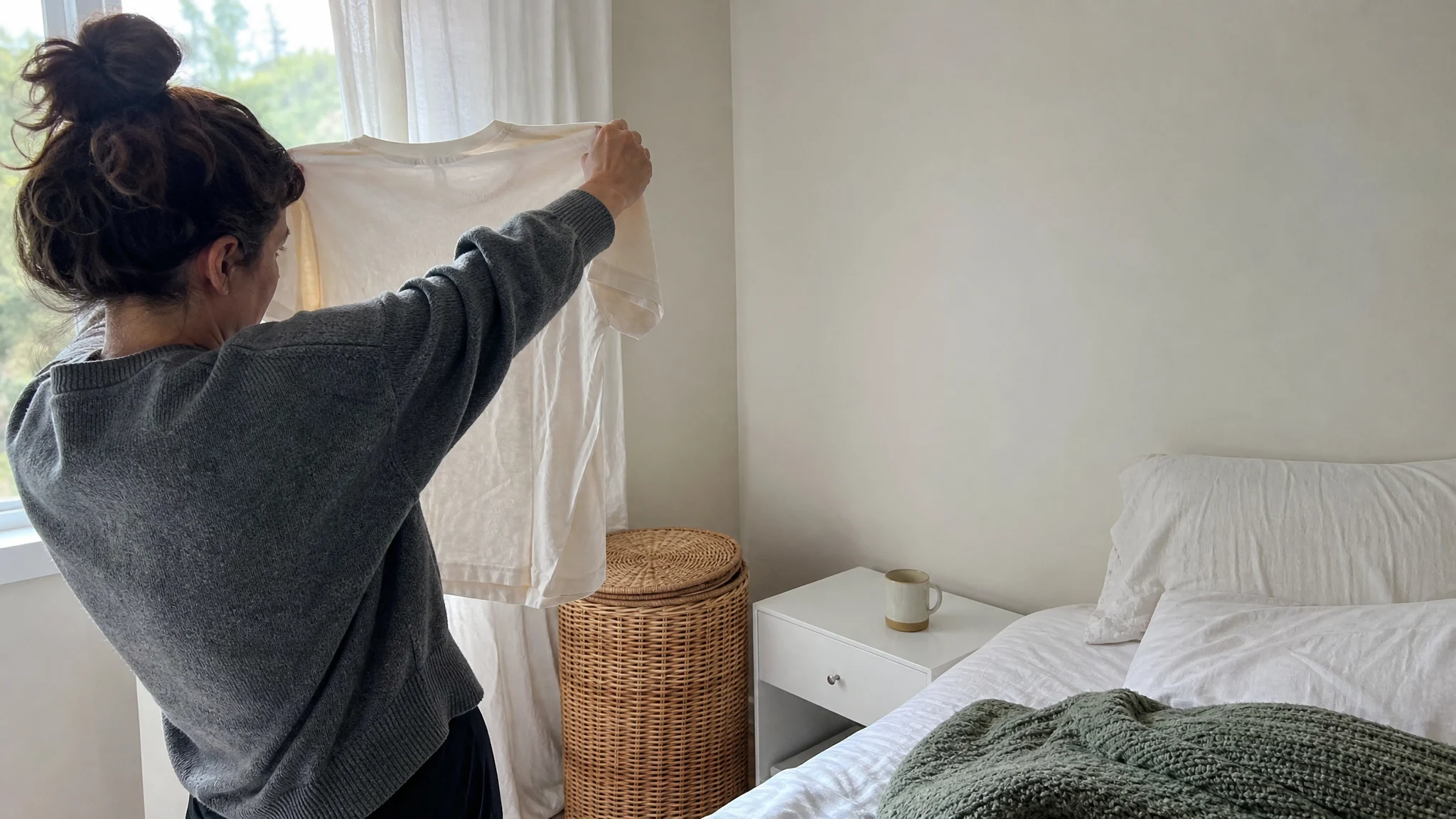
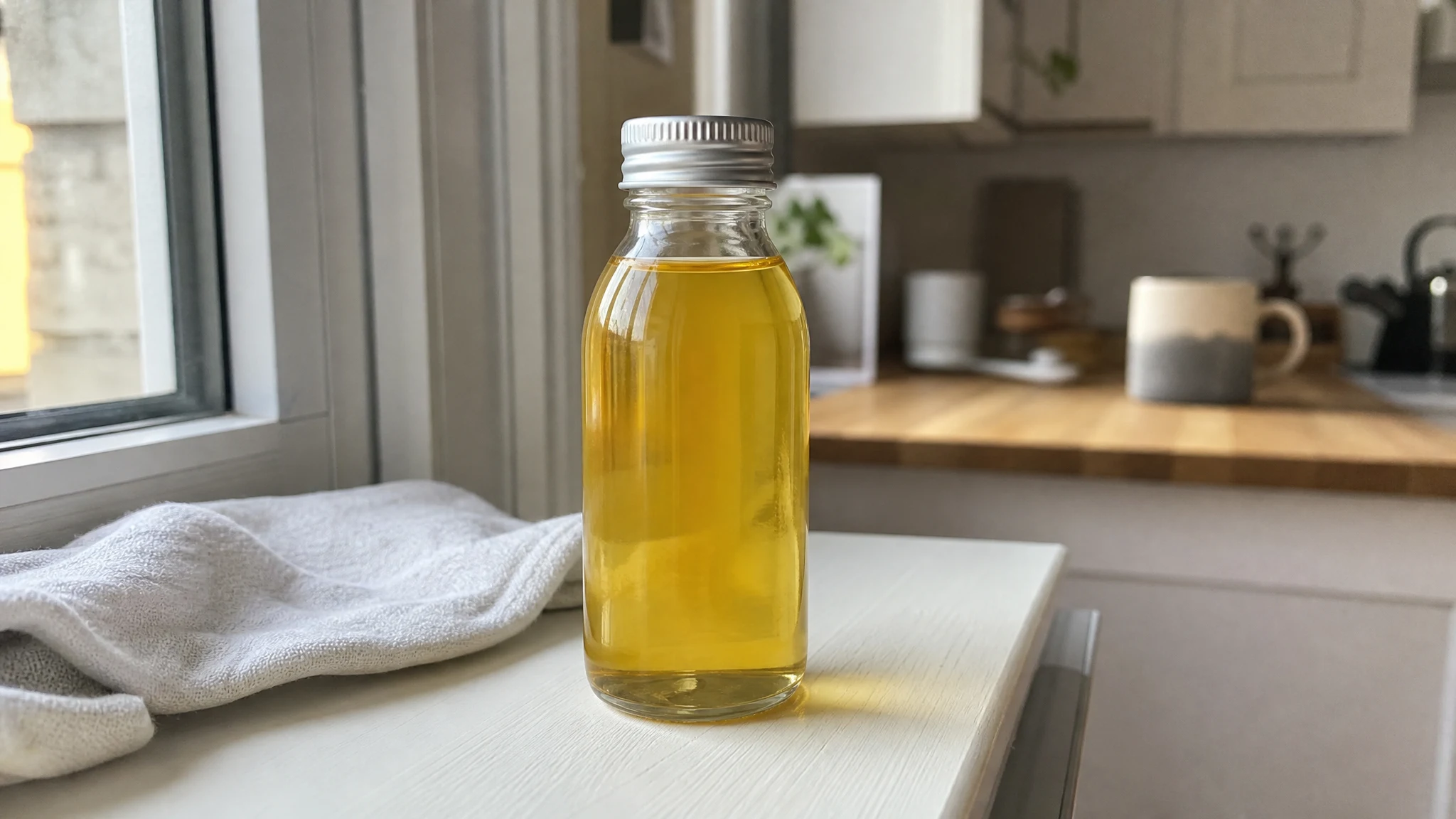
Start with your nose, and be fair to it. Tisserand points out that oxidation alters the perceptible odor, but you may only notice when you hold the old oil against a fresh one. If it still smells sharp and clean rather than flat, sour or faintly rancid, it is doing its job. If you only have one bottle, close your eyes and ask whether the scent still has its crisp edge and dry woody base, the way we describe it: sharp, cooling and crystalline.
Then look and feel. Very old oils can thicken and eventually turn sticky, though Tisserand notes this usually takes years. A tacky ring around the neck or the inside of the cap is worth a wipe, and a bottle that has gone gummy there has had a lot of air.
Crystals and haze are a different story
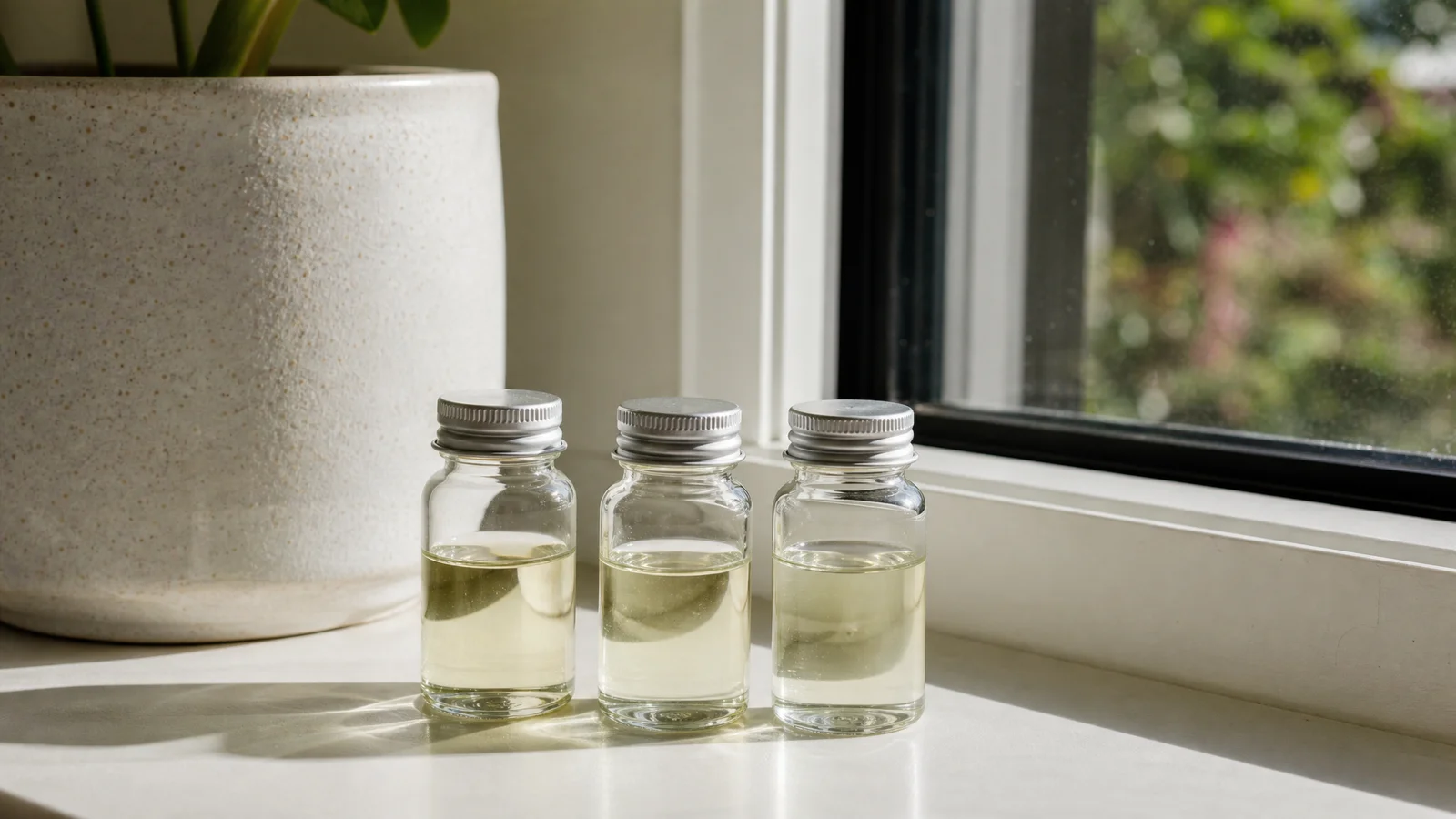
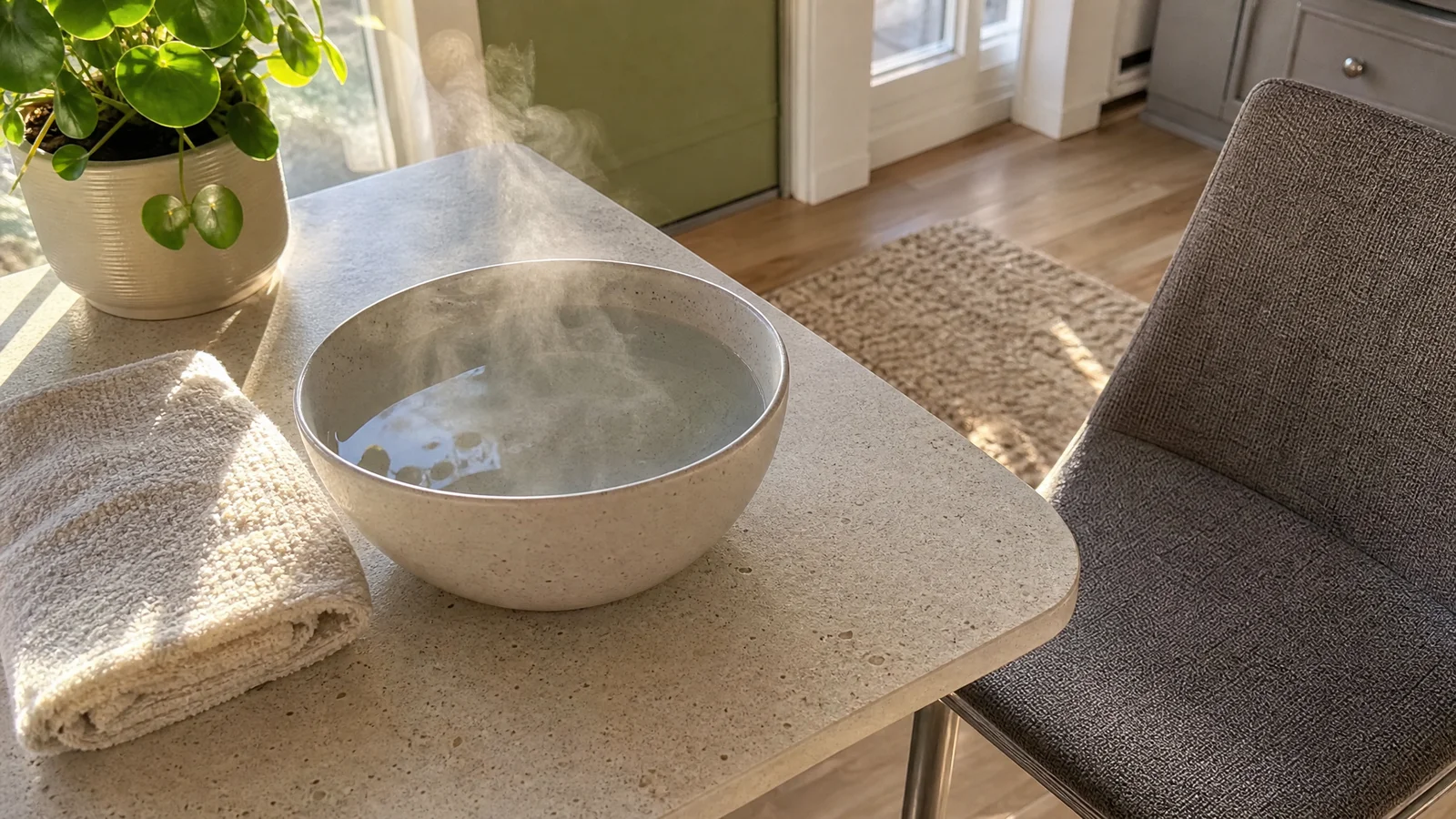
This is the one confusion particular to camphor oil. In cool conditions fine crystals can form, and that is a normal characteristic of the oil and not a sign of spoilage. Set the closed bottle in a bowl of warm tap water until it clears. If the liquid turns clear and smells as it should, you were looking at temperature, not age. Our storage guide walks through the warming step in detail.
How long to expect a bottle to last
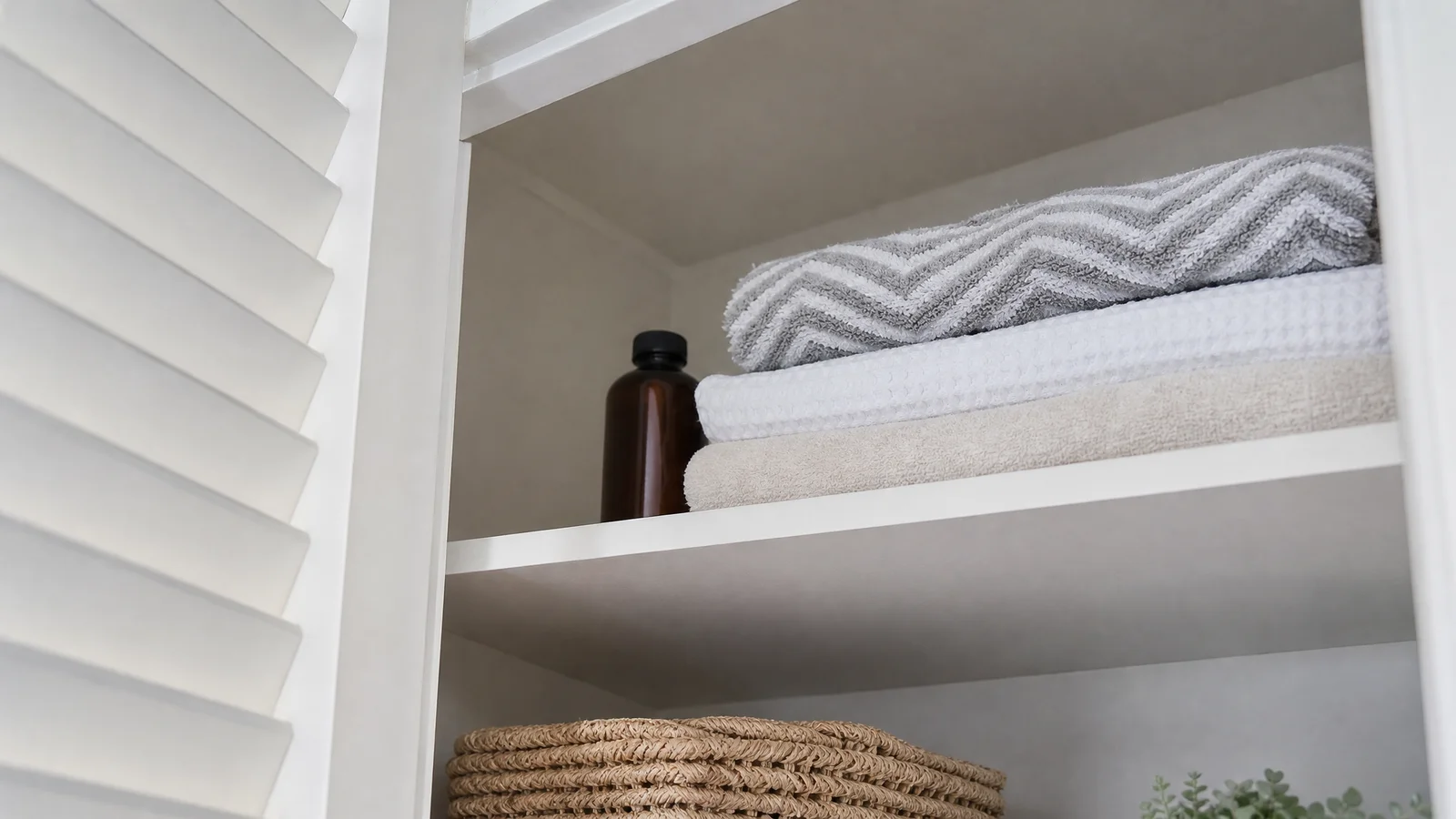
We give our shelf life as typically 2 to 3 years when the bottle is kept tightly capped in a cool, dark place. Tisserand's own rule of thumb is broader: most oils stay good for at least one to two years, with a real range from about one year to several, and the guidance is described as rough. So treat any figure as a prompt to check, not a date on which the oil stops working.
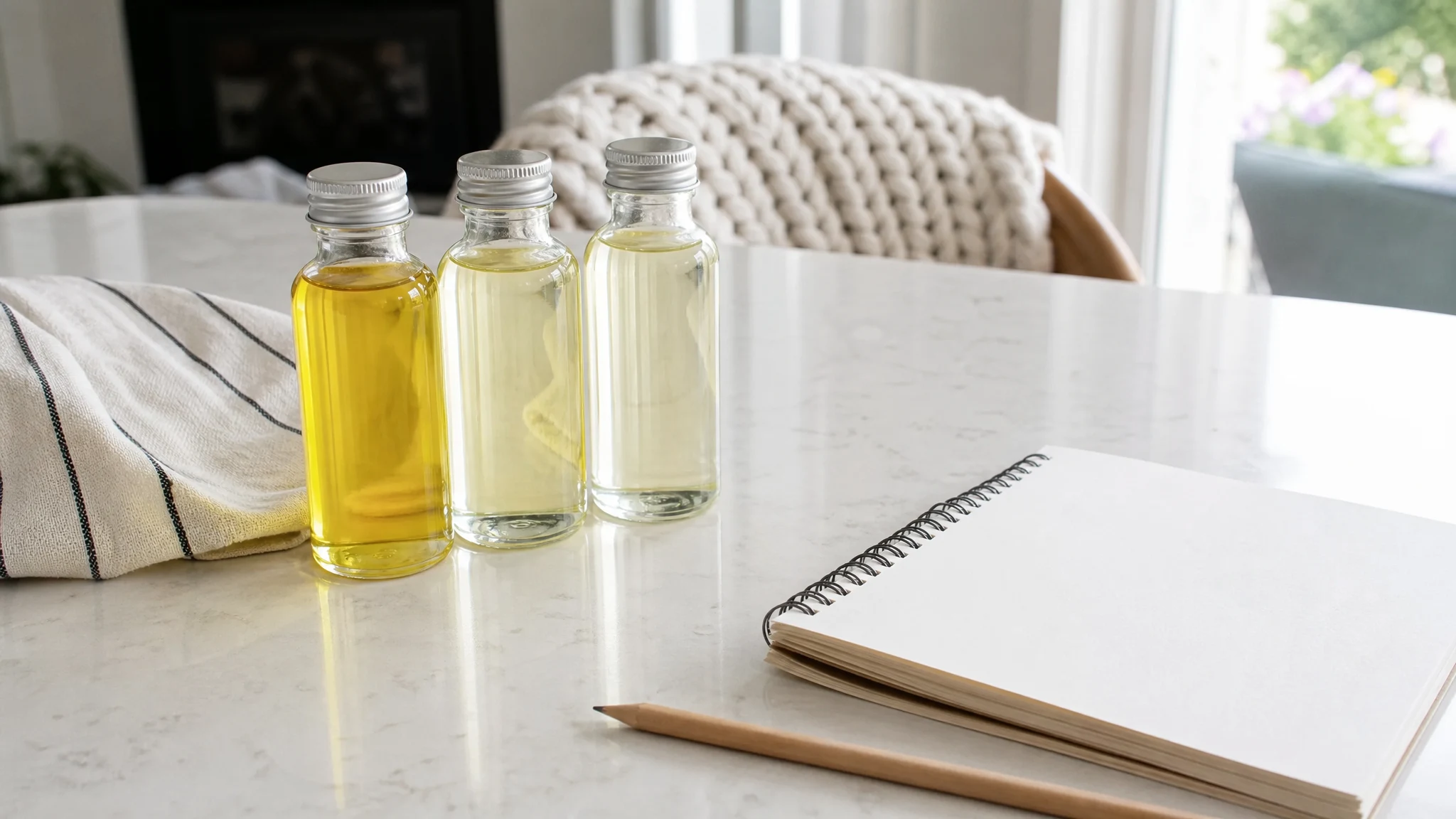
Two habits stretch the odds in your favour. Write the date you opened the bottle on a strip of tape. And if you will not finish a large bottle for a year or more, decant a working amount into a small bottle filled close to the neck, since more air in the bottle means faster oxidation. Tisserand adds that refrigeration roughly doubles the life of an oil. With camphor oil we lean toward the cupboard, because a cold bottle will crystallize and need warming each time, but a sealed reserve kept in the fridge is reasonable if you let it reach room temperature before opening.
What to do with an oil you doubt
Here is where the skin matters. Tisserand says oxidation products tend to be slightly toxic and to increase the risk of adverse skin reactions. So the sensible order of retirement is this: the doubtful oil comes off your skin blends first, then out of anything leave-on, and it only stays for jobs where scent is the point and the scent still smells right. Our skin dilution guide and patch test method assume a fresh oil, and the patch test is worth repeating whenever a bottle has been open a long time.
If the oil smells wrong, do not pour it down the sink or into the garden. Ask your local household hazardous waste program what it accepts, and keep the bottle out of reach of children and pets while it waits for collection. Camphor oil is concentrated and is never to be swallowed.
Buying so you finish the bottle
The easiest freshness strategy is to buy the amount you will use. Our bottle size guide does the arithmetic, and if you are unsure what fresh should smell like, this scent guide will recalibrate your nose.
A well-kept bottle of camphor oil should be a quiet, reliable thing in the cupboard. Close the cap, keep it cool and dark, and your nose will tell you the rest.
Camphor Essential Oil
Camphor Essential Oil from our own shop, in sizes from 0.5 oz to bulk.
From $9.99
Shop Now →Sources & Further Reading
- Is my bottle of essential oil oxidized or no longer good to use?
- Exploring the therapeutic potential of essential oils: a review of composition and influencing factors
- Safety and efficacy of a feed additive consisting of an essential oil from Cinnamomum camphora (L.) J. Presl (camphor white oil) for use in all animal species (FEFANA asbl)