How to Store Camphor Oil So It Stays Fresh
Leave a bottle of camphor oil in a cool room for a few weeks and you may find fine crystals at the bottom or a faint haze through the liquid. It looks like something has gone wrong, and it hasn't. Camphor oil simply behaves differently in a cupboard than most oils do, so a few minutes of knowing how it behaves will save you from tossing a perfectly good bottle.
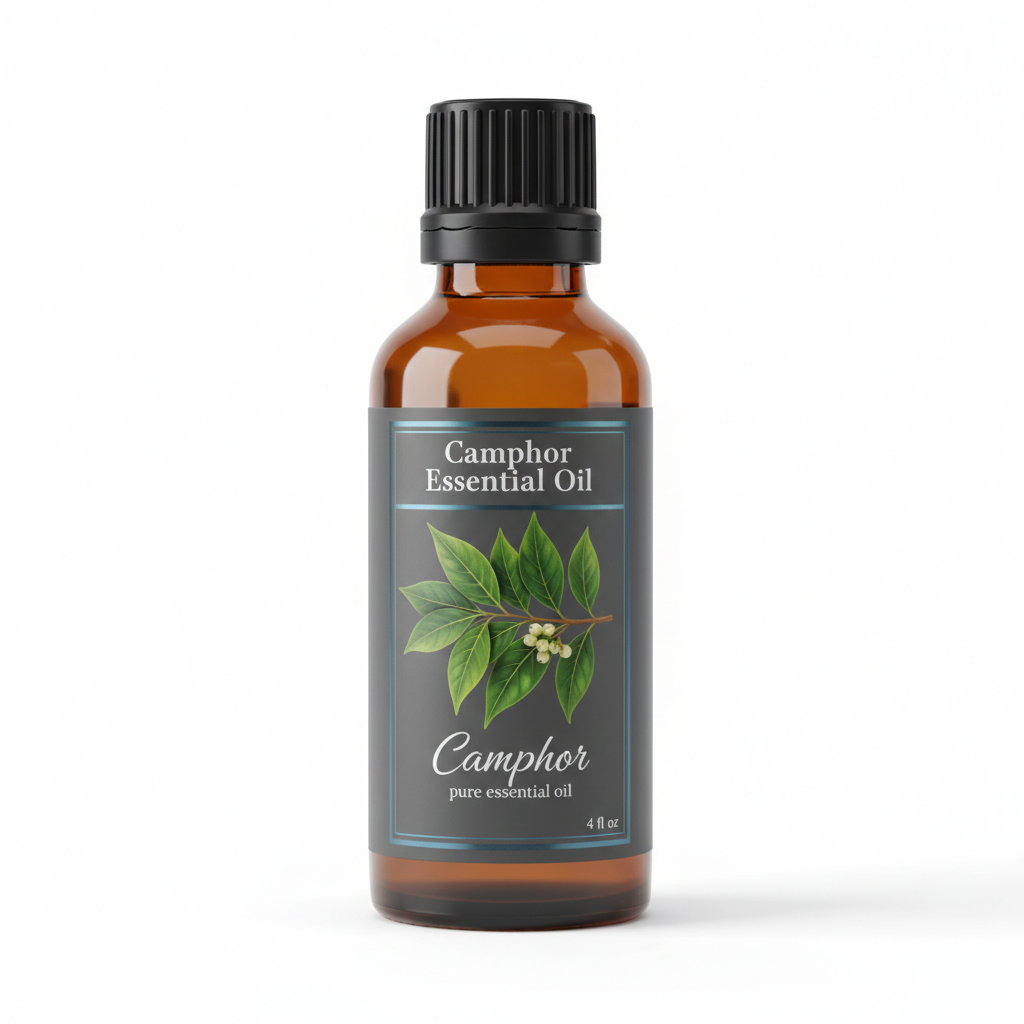
Camphor Essential Oil
Our own Camphor Essential Oil, in sizes from 0.5 oz to bulk.
From $9.99
Shop Now →Give it a cool, dark home
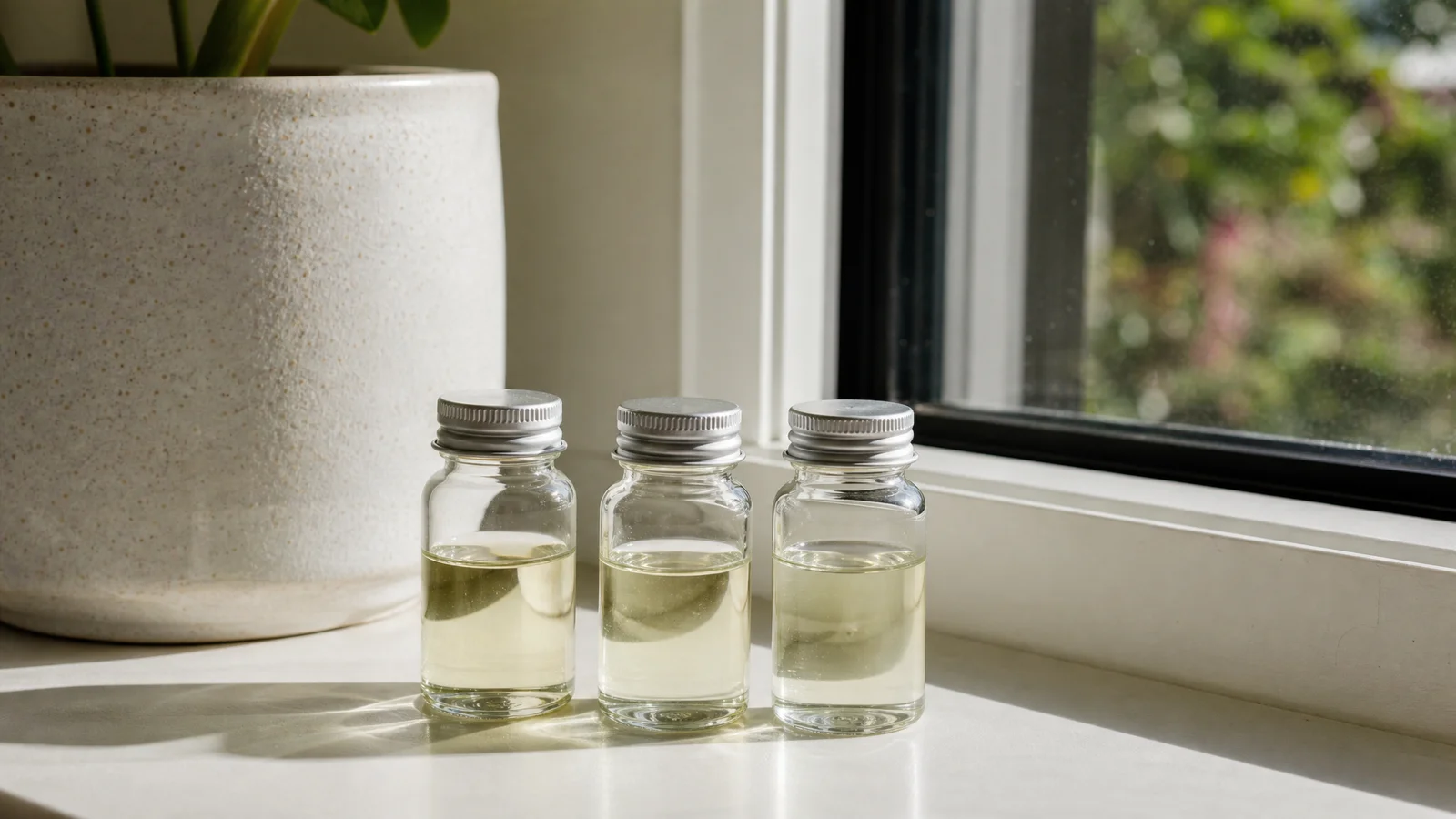
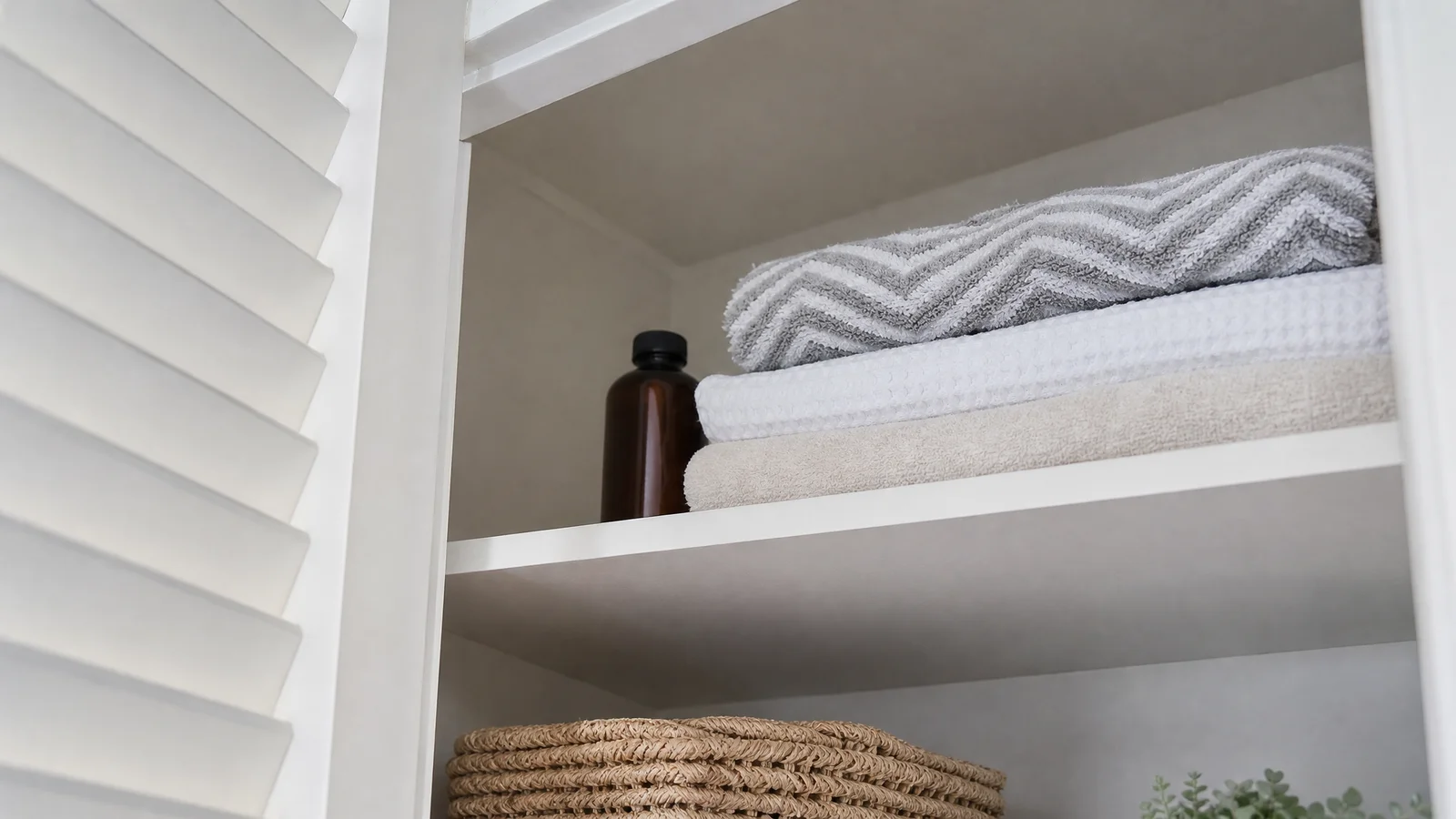
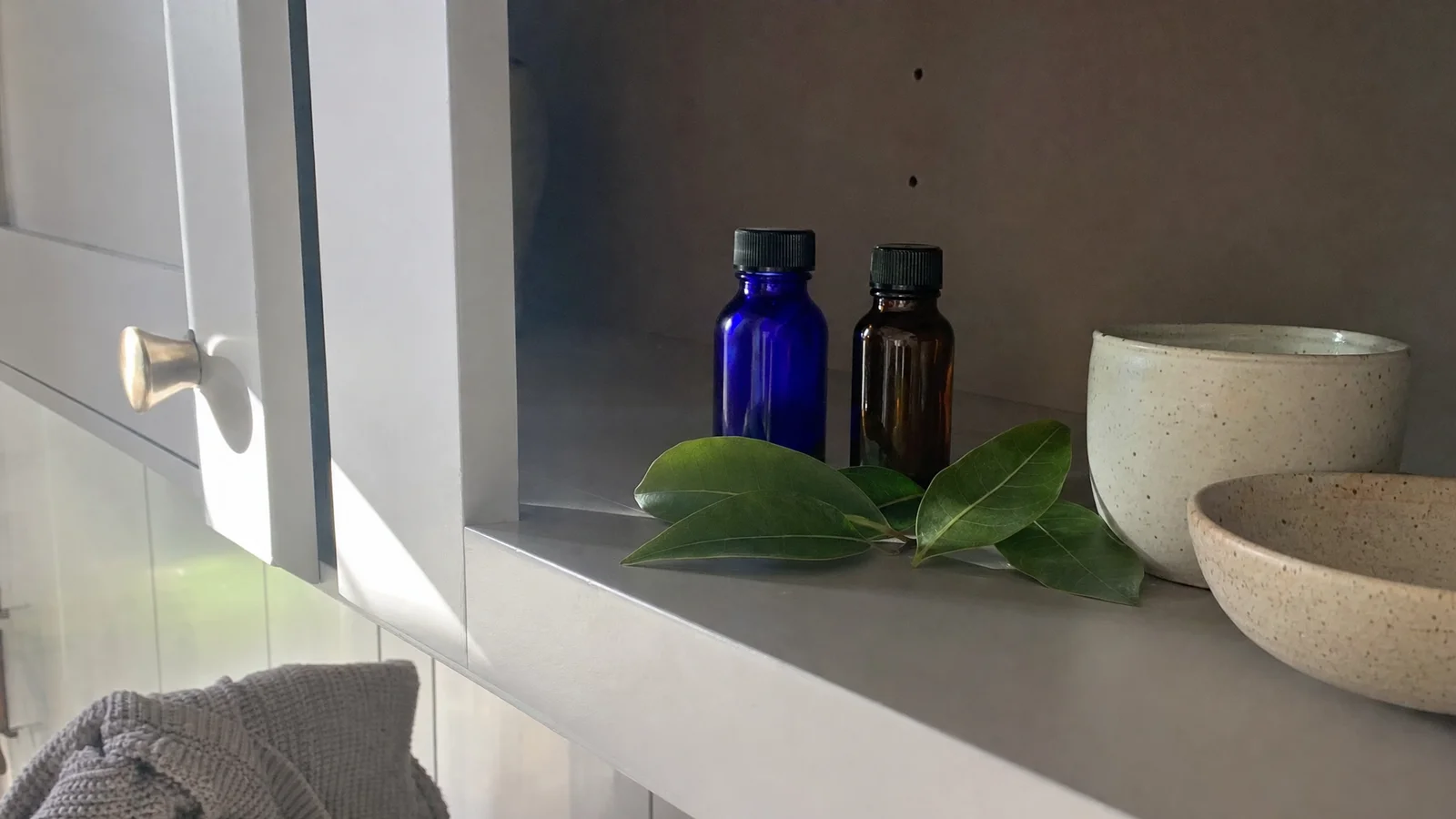
Pick a cupboard that stays steady: not above the stove, not on a sunny sill, not in the car, and not beside a radiator. Heat, light and moisture are what age an essential oil, and the Tisserand Institute lists exactly those three. We recommend keeping the bottle tightly capped in a cool, dark place, and our guidance is that it typically keeps for 2 to 3 years that way. Amber glass helps by filtering light, but think of it as a second line of defense. The dark cupboard does the main work.
Air is the quiet culprit
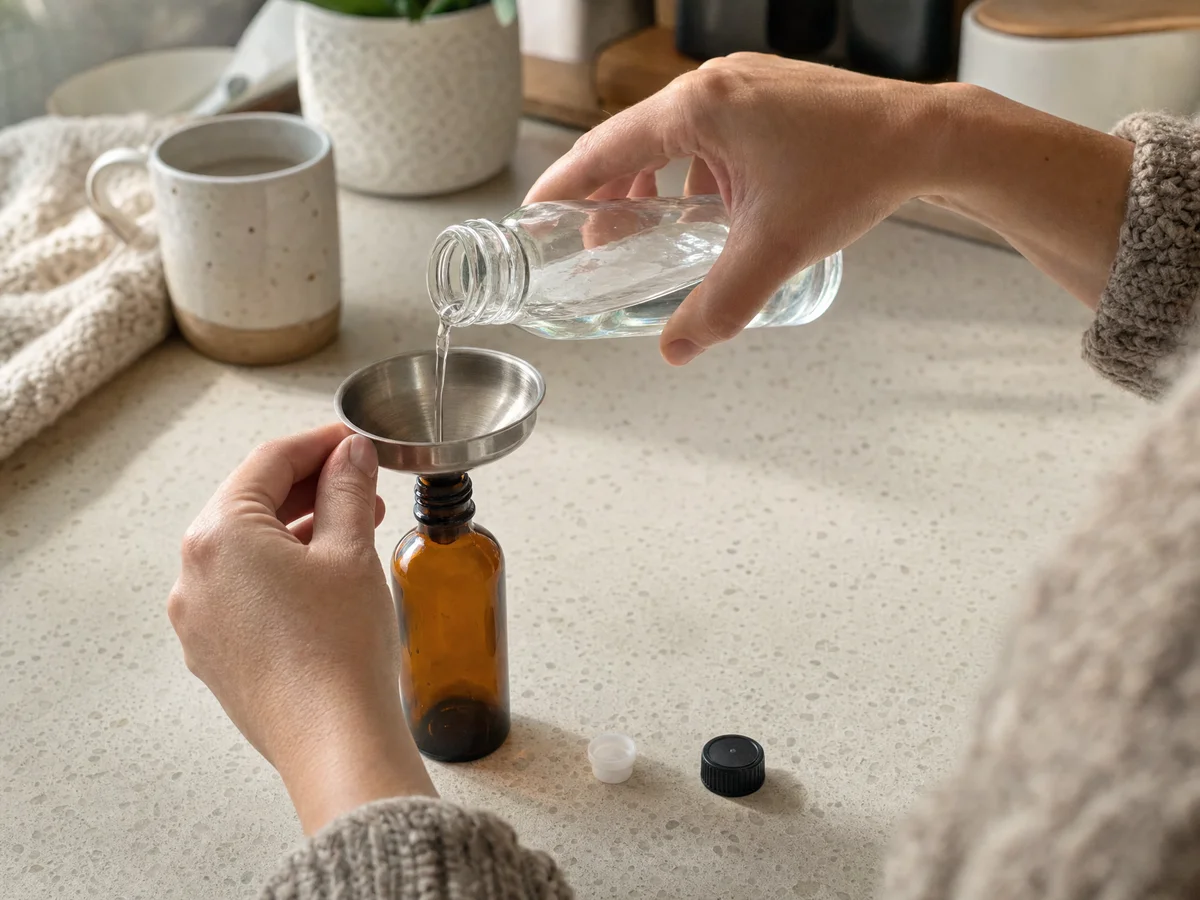
Here is the part most storage advice skips. According to Tisserand, the more air there is in the bottle, the faster an oil oxidizes. A big bottle that is a third full is mostly air. So if you bought a size you will not finish within a year, pour what you need into a smaller bottle, fill it nearly to the neck, and keep the large one sealed, opening it only to refill. It is a small habit, and it is the one that makes the biggest difference to how long the last drops stay fresh. That is our reasoning from Tisserand's point about air, not a measured camphor result, but it costs nothing to follow.
Crystals and haze are normal here
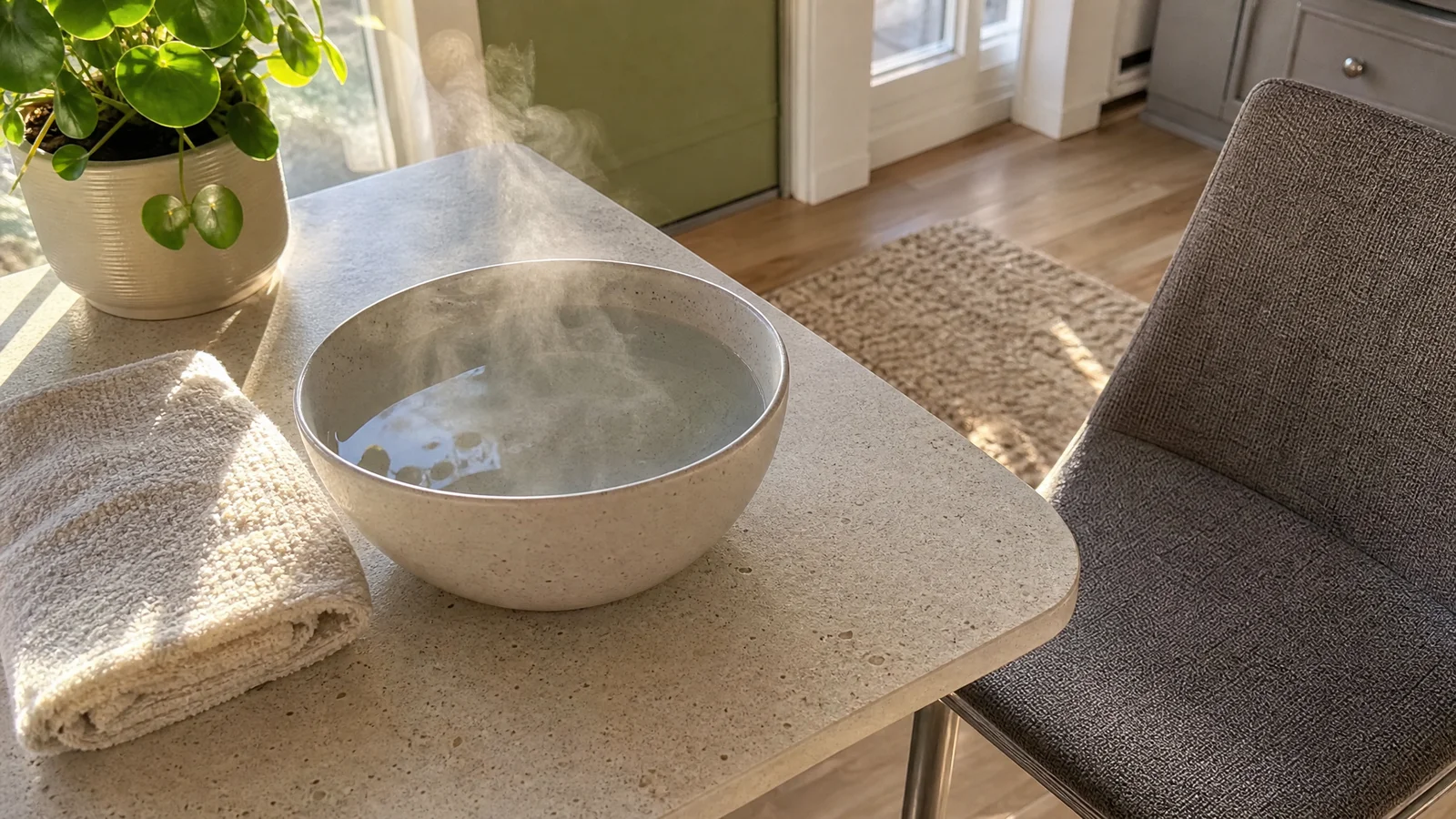
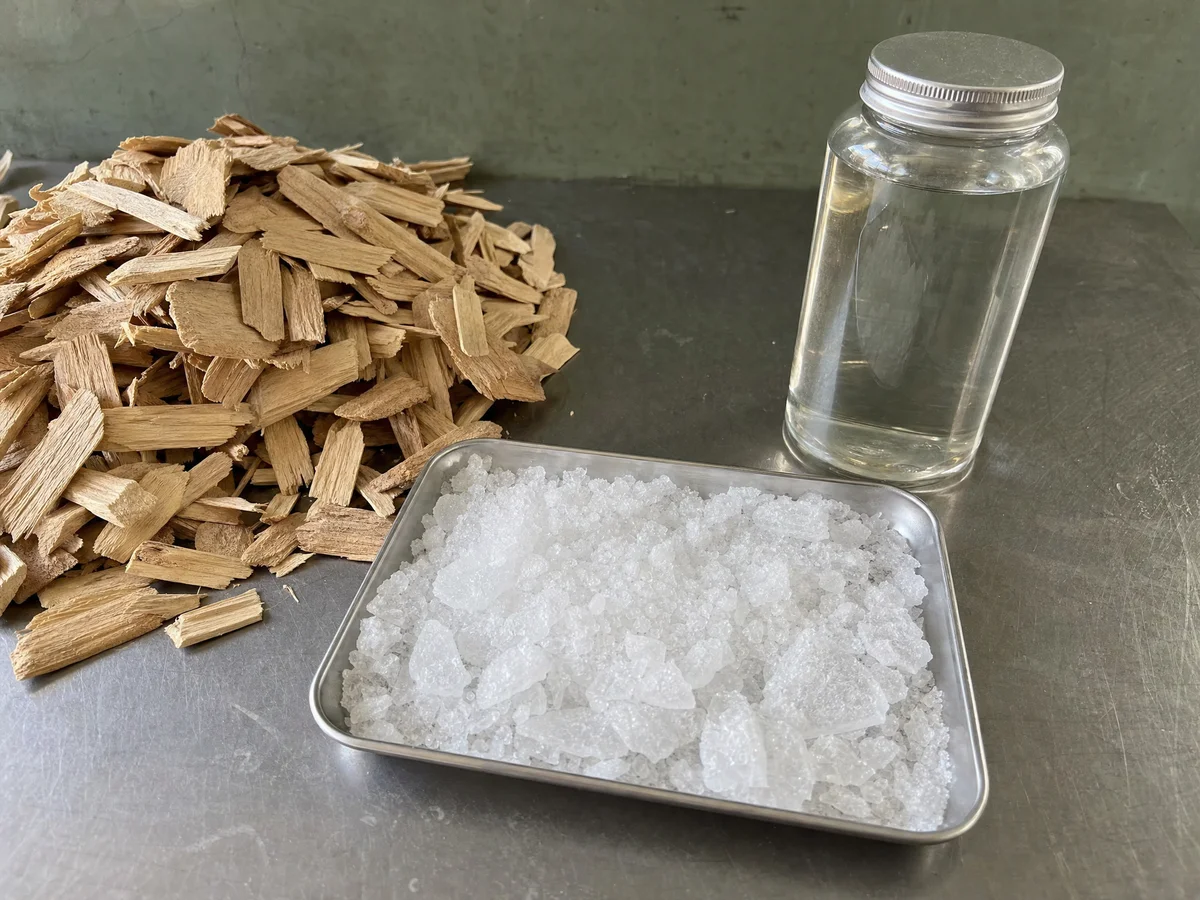
In cool conditions, fine crystals can form in camphor oil. That is a normal characteristic of the oil and not a sign of spoilage. Gentle warming brings it back to a clear liquid. Warm it the way you would soften honey: set the closed bottle in a bowl of warm tap water, wait until it clears, then roll it gently between your hands to mix. Skip the stove and the microwave. Camphor oil is thin and volatile, and a bowl of warm water is all the heat it needs.
What about the refrigerator?
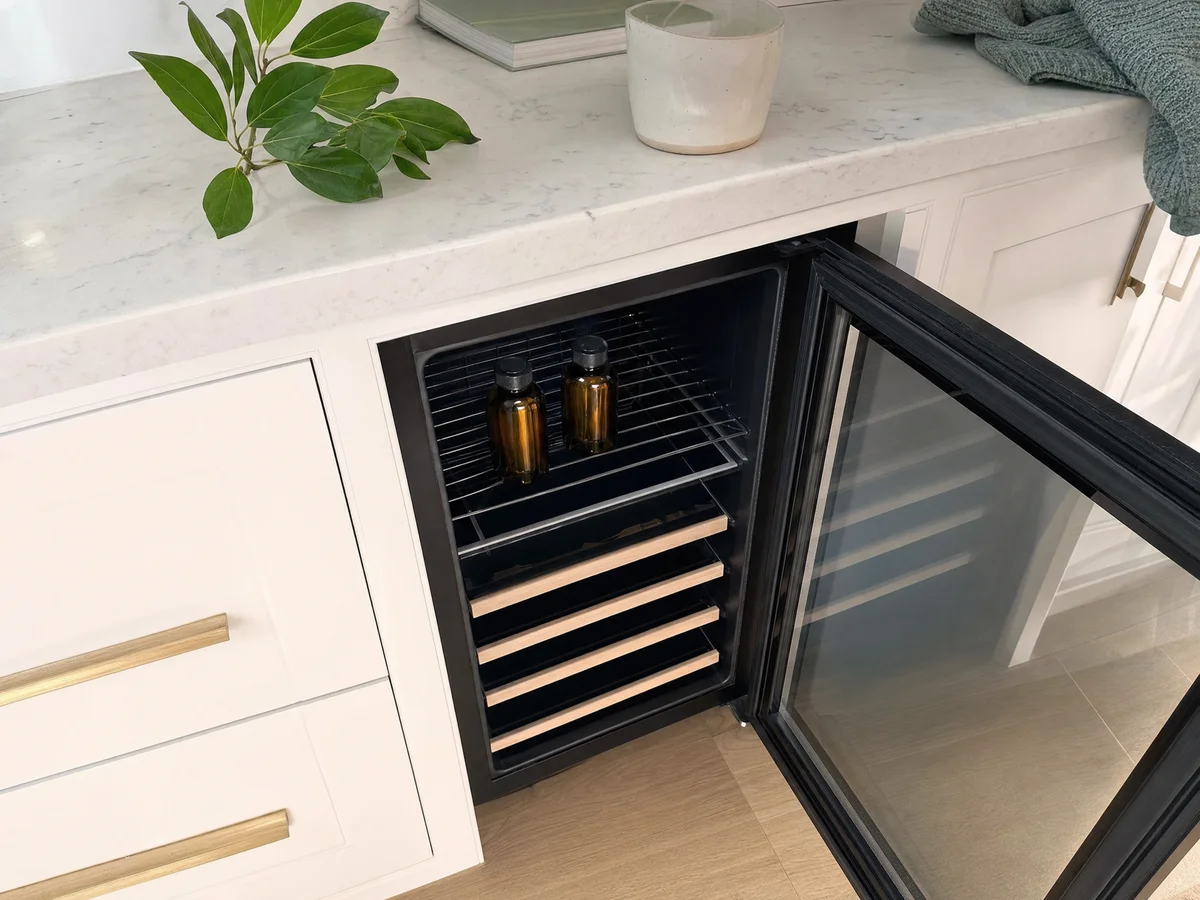
Tisserand says refrigeration can roughly double an oil's useful life, so it is tempting. In practice we would leave it in the cupboard. Camphor oil crystallizes in the cold, so you would be warming it back to liquid every time you reached for it, and a cold bottle opened in a warm kitchen can draw in condensation, which is moisture, one of the three things you are trying to avoid. For a bottle you will use within a year or so, the cupboard wins. For a large reserve you will not touch for a long while, the fridge can make sense: seal the bottle inside a jar and let it come fully to room temperature before you open it.
Checking an older bottle
- Warm it gently until any crystals clear, then look at the color and clarity.
- Smell it, ideally against a fresh bottle if you have one. Oxidation changes the aroma, and the change is easy to miss without something to compare.
- Decide the job. Tisserand notes that oxidation products tend to be slightly toxic and can raise the chance of skin reactions. So we would retire an aging oil from skin use first, and keep it only for scent-only jobs where the aroma still smells right.
Little habits at the bottle
Write the date you opened the bottle on a piece of tape on its base, not on the label you need to read. A year from now you will be glad of it, and it takes five seconds. Wipe the neck with a dry paper towel before you cap it, so a sticky ring does not form where the cap seats, and screw it down firmly without wrestling it.
When you decant, use a clean, dry small amber bottle, add a small funnel if you have one, and label the new bottle straight away. Stand things on a saucer or tray rather than bare wood so a stray drop never reaches a finish. Unlabelled bottles are how mix-ups happen, so the label is the habit we would hold onto most.
Store it for the people in your house, too
Freshness matters, but the more important storage rule is about people. Keep camphor oil out of reach of children and pets, never ingest it, and keep it in its original labelled bottle, never a drink bottle or an unmarked dropper. A cap alone is not a child barrier, so choose a high shelf. If a child ever swallows any, call poison control or emergency services right away; Camphor Poisoning Symptoms and What to Do First walks through the first steps, and Is Camphor Oil Safe for Dogs and Cats? covers the animals in your home. Once the bottle is stored well, Camphor Oil at Home is a good place to see which jobs suit it.
Cool, dark, capped and decanted: four small habits, and a bottle of camphor oil will stay the crisp, sharp thing you bought it for.
Camphor Essential Oil
Camphor Essential Oil from our own shop, in sizes from 0.5 oz to bulk.
From $9.99
Shop Now →