Camphor History: From Borneo Resin to Modern Still
The camphor that crossed the Indian Ocean in medieval trade was not the camphor in a modern bottle. It was a crystalline resin that gathered in the hollows of a rainforest tree in Sumatra and Borneo, so scarce that only some trees held any. How the world swapped that rarity for the camphor laurel we know today is one of the more surprising stories in the history of aromatics.
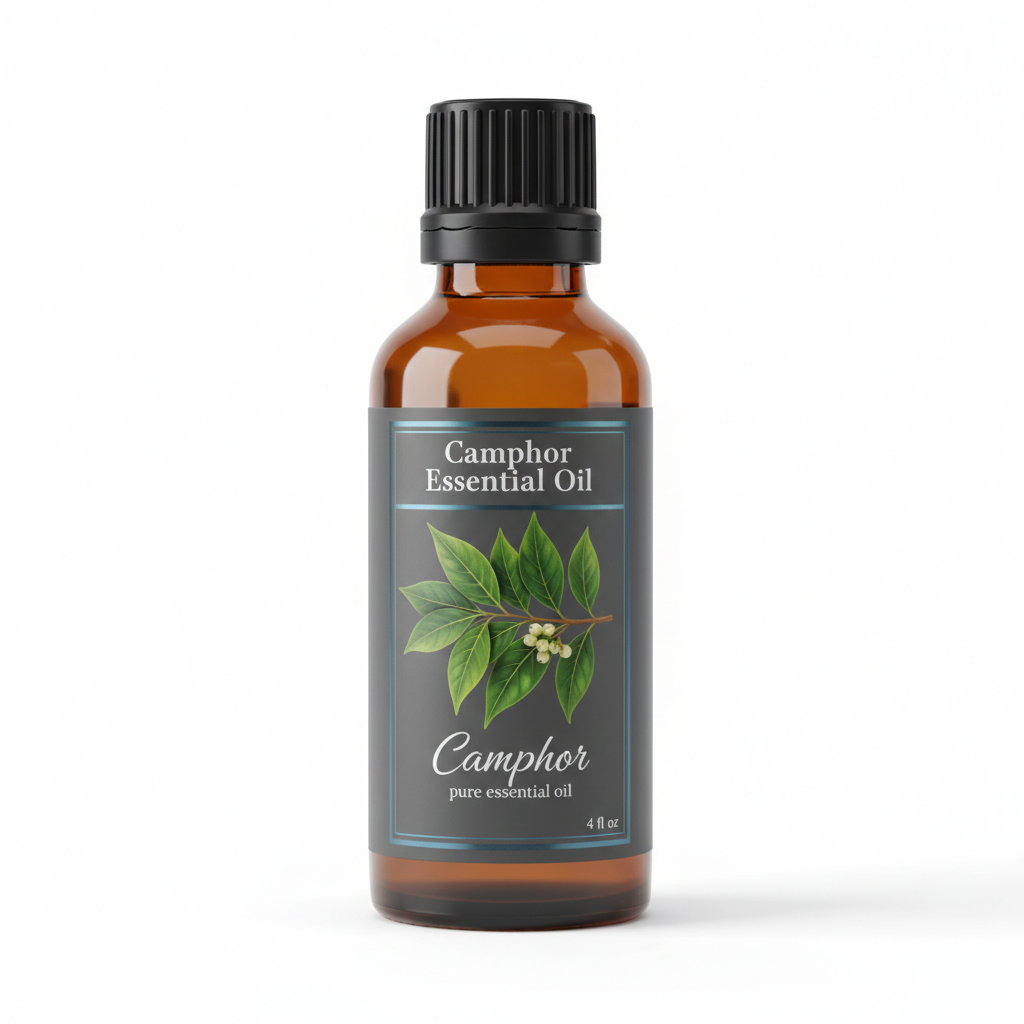
Camphor Essential Oil
Our own Camphor Essential Oil, in sizes from 0.5 oz to bulk.
From $9.99
Shop Now →Two trees, one name
Historian Peter Romaskiewicz, who studies medieval Chinese religion, explains the split on his camphor page. Medieval camphor was solidified oleoresin from Dryobalanops aromatica, a tree of northern Sumatra, the southern Malay Peninsula and northern Borneo. The Chinese called it Dragon Brain Aromatic (longnao xiang), and nobody is quite sure why, though he suggests the far southern seas it came from may have shaped the name. Modern common camphor, by contrast, comes from Cinnamomum camphora (zhang), a tree native to southern and eastern China, northern Vietnam, Taiwan and Japan, whose camphor is sublimated and distilled.
The two were mixed up even then. A 1503 illustration of camphor collecting shows the Sumatran tree growing in Guangzhou, which Romaskiewicz reads as the illustrator conflating the two. The Borneo material is almost pure borneol, a different compound entirely, and the PROSEA handbook on that tree suggests avoiding "camphor" in its trade names for exactly this reason (PROSEA, Dryobalanops). So when an old text says camphor, the first question is always which tree.
Early footprints
The earliest mention anyone has found is a Sogdian letter from the early fourth century, discovered in western China, about camphor bought at Loulan at the eastern end of the Tarim Basin. In Europe's orbit, Aetius of Amida (about 500 to 575) noted camphor in the Byzantine Empire. In India, the earliest citation is thought to date to the mid-sixth century. These are glimpses of an aromatic prized for its scent and rarity, travelling hundreds of miles on trade routes. For the Indian and Chinese medical traditions themselves, camphor in Ayurveda and camphor in Traditional Chinese Medicine take them one at a time.
The shift to the laurel
When did the world turn to Cinnamomum camphora? Nobody can say exactly. Romaskiewicz notes that the change is poorly documented, with the mid-to-late eleventh century showing some indications of it. The tempting explanation, which is only a reasonable guess, is scarcity: a resin that only a fraction of trees ever produced is hard to supply, while a large, widespread laurel that can be steamed is not.
Taiwan, plantations and a collapse
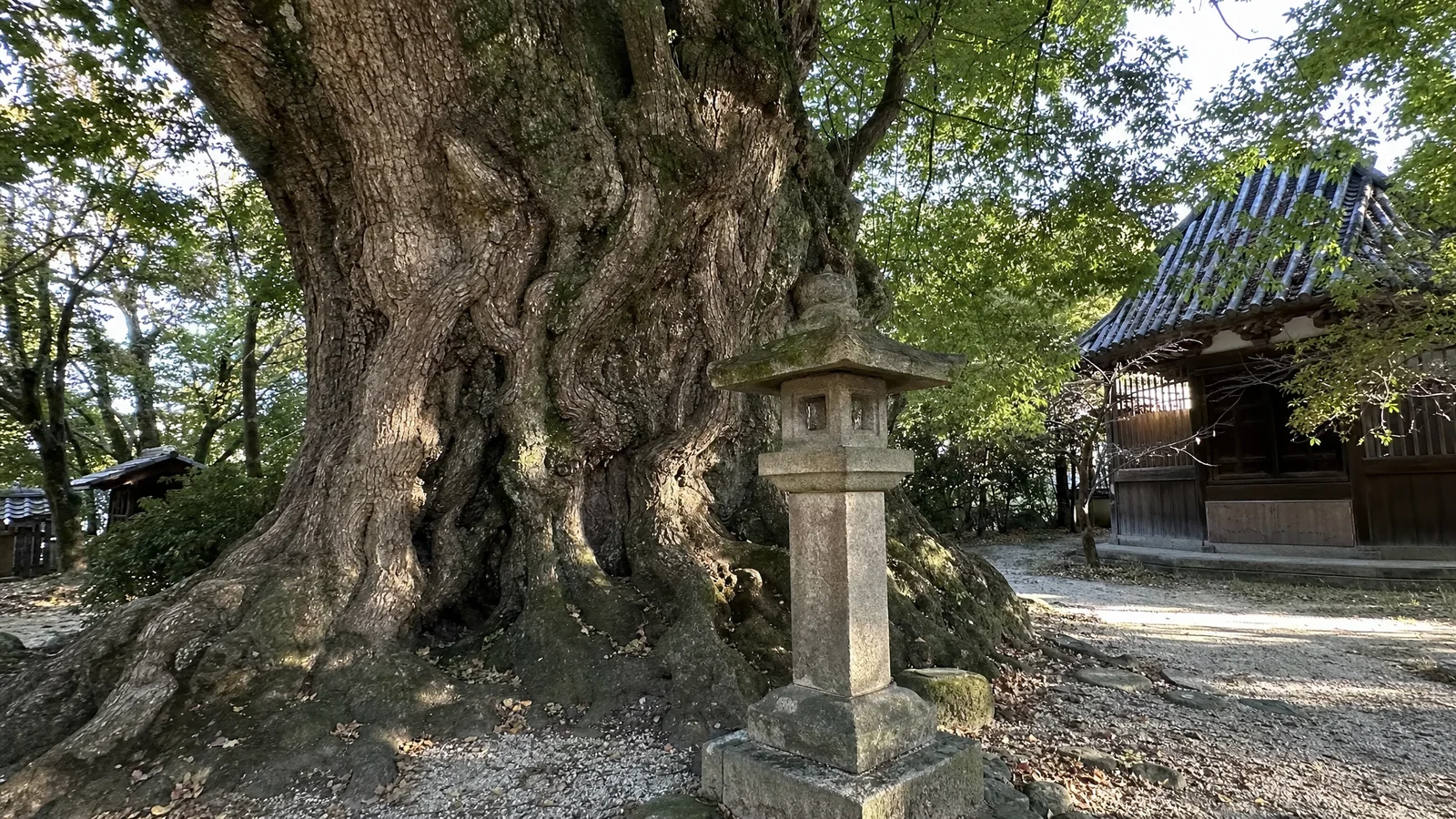
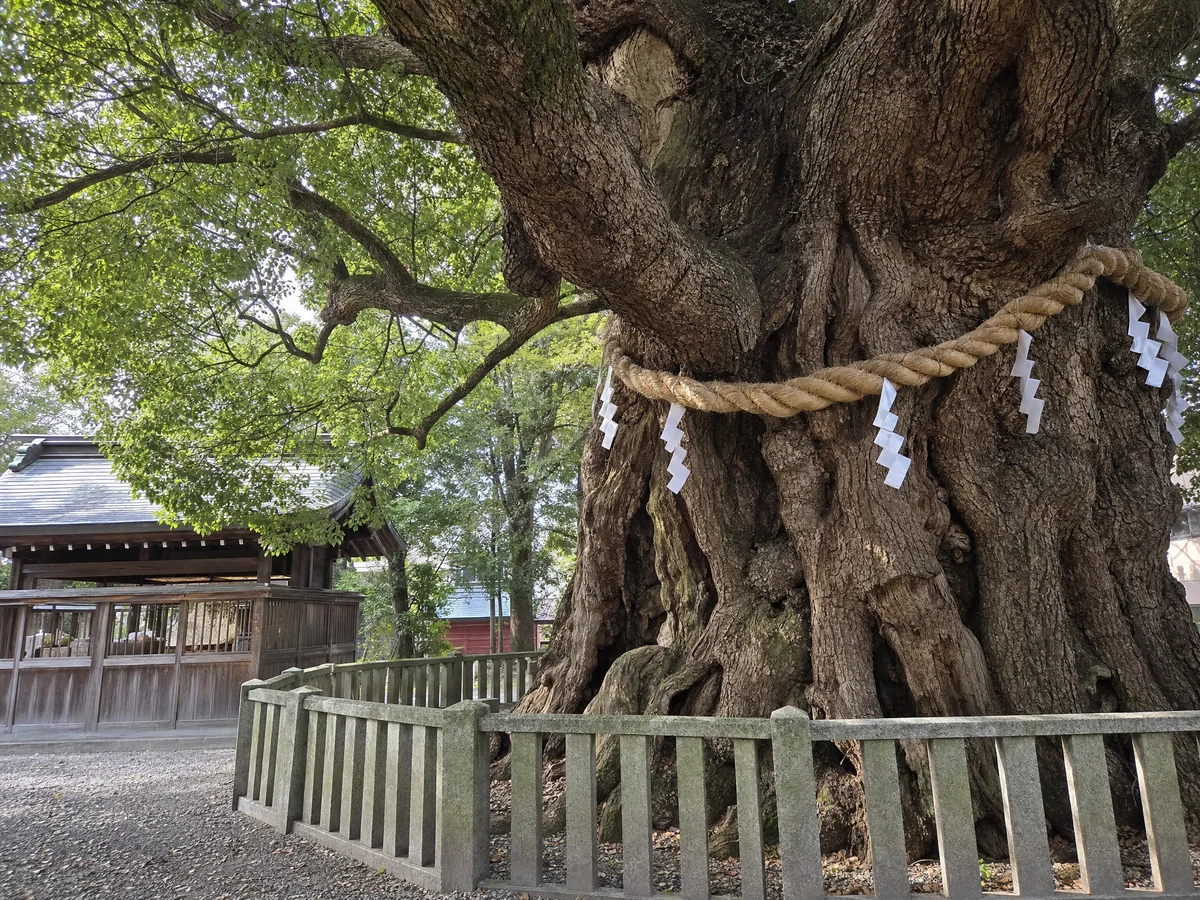
By the early twentieth century the picture sharpens. The PROSEA handbook on the camphor laurel reports that before the First World War, most internationally traded camphor came from natural stands in Taiwan, while Chinese production was used locally. When those stands were depleted, plantations were established, first in Taiwan and after the Second World War in Japan, and since the 1990s China has planted large plantations. Japan, which once produced several thousand tonnes a year, saw output drop as synthetic camphor took over (PROSEA, Cinnamomum camphora). The same handbook notes that records of production and trade are thin, which is a good reason to be wary of confident statements about "the world's camphor."
Why we enjoy this story
There is something humbling about holding a small amber bottle and knowing how many hands a material like this has passed through. Someone climbed those trees. Someone argued over what to call the result. Someone packed it, carried it and sold it on a market street far from where it grew. We are a small business that sells one oil, and we like to remember that we are the latest link in a very long chain, not its centre.
Camphor chests and clothes
The old association with wardrobes is real. PROSEA says camphor has long been used as an insect repellent, especially against moths in clothing, and that the wood is often reserved for chests that keep linen and clothes. It also notes that the fine odour of the wood and the observation that it repelled insects led to the first extraction of the oil. We offer that as history, not as a promise about what any oil does in your closet. For what has actually been looked at, our camphor moth post is the place to go.
If you want to bring the story into the present, there is a simple pleasure to be had: open a bottle, take a slow breath and think of the long line of people who did the same with a resin, a crystal or a distillate of their own. The smell has hardly changed in its basic character, sharp and cool with a dry woody base, and that continuity is a nice thing to sit with for a minute.
What the history leaves you with
- Check the botanical name. Ours is Cinnamomum camphora. "Borneo camphor" or "Barus" in an old text means a different tree and a different compound.
- Old use is a story, not a specification. Centuries of use for a resin say little about any modern distillate, which is why we point to documentation instead. The Certificate of Analysis we publish for one batch lists density, refractive index and optical rotation, and anyone who wants more detail for a lot can ask us in writing through the contact page.
- Know where the oil sits in all this. Camphor oil today is a distillate of the laurel, a small branch of a trade that began with a rare resin.
It is a satisfying thing to hold a bottle and know that the sharp, cooling note inside it is the end of a very long journey, one that began with a tree most of the world never saw.
Camphor Essential Oil
Camphor Essential Oil from our own shop, in sizes from 0.5 oz to bulk.
From $9.99
Shop Now →