Is Camphor Oil Safe Around Dogs and Cats?
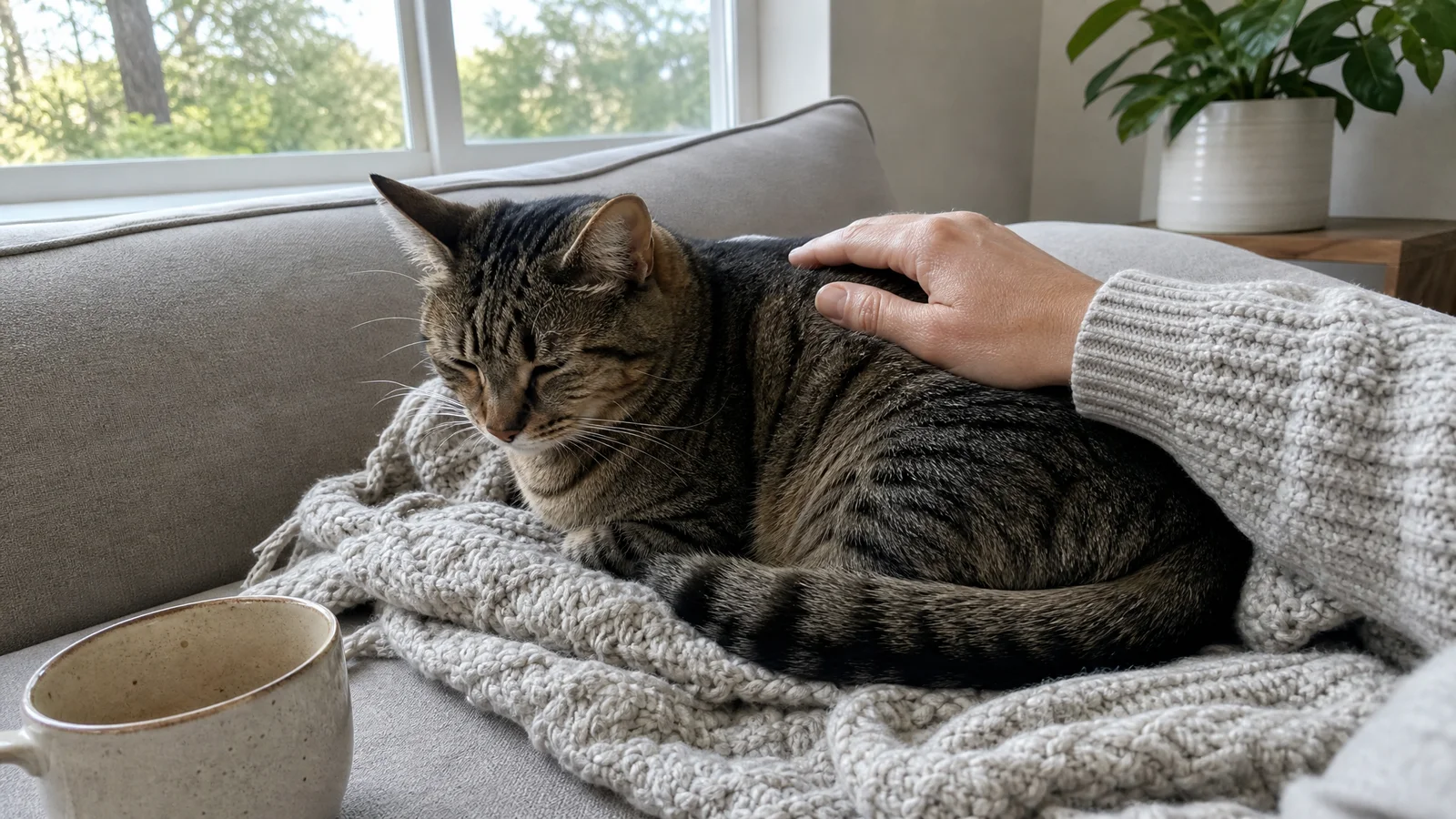
A cat on a warm windowsill, a dog that licks your hands after dinner. Pets share every surface of a home, which is exactly why a strong material like camphor needs a plan. The short version is simple: camphor and pets should not meet at all.
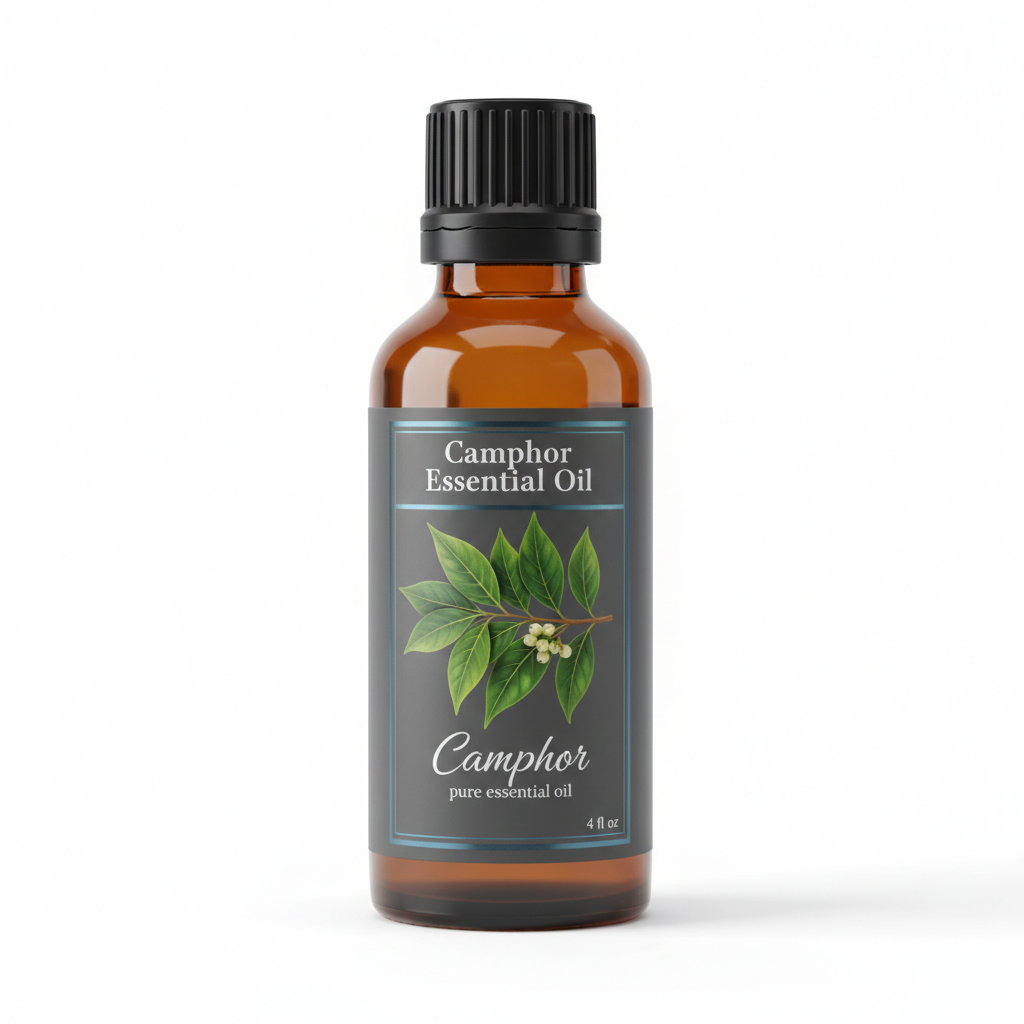
Camphor Essential Oil
Our own Camphor Essential Oil, in sizes from 0.5 oz to bulk.
From $9.99
Shop Now →What the veterinary sources say
Pet Poison Helpline states that camphor is readily absorbed across the skin and should never be applied to dogs or cats, because of the risk of poisoning. It lists skin irritation, nausea, vomiting, diarrhea, depression, and, with larger amounts, seizures as signs, and mentions that in rare cases it can be fatal. The page also notes how common camphor is in topical rubs. The Royal Children's Hospital in Melbourne, writing about people, says most toxic exposure is from swallowing but that skin absorption is real, which is a useful reminder of how the compound behaves.
What we cannot find is a measured, published safe level of camphor vapor for animals. Because there is no such number, we do not tell anyone that diffusing it near pets is fine, and we would not trust a page that did.
Why pets are good at finding trouble
Anyone who has shared a home with a cat knows the routine: if there is a closed door, it needs to be opened; if there is a high shelf, it needs to be climbed. Dogs have their own talents, usually involving a nose that finds a handbag in seconds. Pets explore with their mouths and paws, and they have no idea that the sharp, interesting smell coming from that little bottle is a reason to stay away.
That curiosity is part of why we like to plan for the pet who is cleverer than we are. If the answer to "could my cat reach this?" is anything other than a firm no, move the bottle.
How a pet actually meets camphor
- Through you. If you wear a camphor rub or diluted oil and your pet licks or snuggles that spot, the oil goes where you did not intend. Skip camphor anywhere a pet will touch or lick.
- Through a spill. A tipped bottle on a low shelf, or a leaky cap, is a lick away from trouble. Keep it capped, high and shut away, and wipe spills quickly with the pet out of the room.
- Through closets and drawers. Camphor blocks, tablets and mothballs are a classic way for animals to swallow it. Keep them in latched containers or behind closed doors.
- Through the air. Cats groom oils off their fur, and any airborne oil can end up on a coat. Our advice is not to diffuse camphor in a home with pets.
A good test is to picture your pet's day. Where do they sleep, which floors do they walk on, and which surfaces do they lick or rub against? Any place on that map is somewhere camphor should not be, whether as a spill, a pad, or a drop on your own skin.
Why size matters
Poison thresholds are written per kilogram. Just as a few milliliters mean far more to a toddler than an adult, a few drops mean far more to a four kilogram cat than to you. One milliliter of the batch on our Certificate of Analysis weighs about 0.88 g. That is a lot of material to meet a small animal's body, whatever its camphor content turns out to be.
A few household habits that help
- Use camphor in a room with a door that actually closes, and close it.
- Put the bottle away before you start a project, not after you finish.
- Wash your hands before you pick up the dog or settle the cat on your lap.
- Keep a note of the product name handy so you can tell a veterinarian exactly what was involved.
Visitors matter too. A friend who wears a camphor rub, or a relative whose handbag holds a tin of balm, can bring it into a home without anyone thinking about it. If you have pets, it is fair to mention it politely at the door.
If something happens
If your pet may have licked, swallowed or been coated in camphor, call a veterinarian or Pet Poison Helpline right away, and bring the container. Do not wait for symptoms, and do not try home remedies first.
For people who love both their pets and the scent, there is an easy compromise. Use camphor only in a room the animals never enter, store it where no one can reach it, and be honest with yourself about whether that is realistic in your home. Our camphor and moths article and camphor in closets piece both stress closed, pet-free storage, and the general safety picture sits in is camphor oil safe. If you diffuse other scents, how to diffuse camphor oil explains why we think caution is wise, and our home uses guide shows which jobs suit it best. We sell an external cosmetic oil for adult use, and any question about an animal's health belongs with your veterinarian.
It is a bit of a letdown to hear that a scent you enjoy has to live behind a closed door. But the animals in our homes depend on us to think ahead, and that is a trade most of us are glad to make.
Few household scents are worth a risk to a pet, and camphor, with its quick absorption and sharp punch, sits firmly on the keep-it-away side of the line.
Camphor Essential Oil
Camphor Essential Oil from our own shop, in sizes from 0.5 oz to bulk.
From $9.99
Shop Now →