
Wholesale and Bulk Camphor Oil: A Buyer's Guide to Larger Sizes
Scaling up your camphor oil purchasing is a practical move for soap makers, candle studios, fragrance blenders, spa product formulators, and retailers who go through inventory quickly. But bulk camphor oil buying introduces a new set of decisions. The price-per-ounce math gets attractive fast, yet quality gaps widen at scale too. A single poor-quality drum can set back a production run or compromise a product line.
This guide walks through everything worth knowing before committing to a larger order: what quality actually looks like at the wholesale level, which features matter most when comparing suppliers, where the red flags tend to hide, and how to find reliable sources for camphor oil bulk pricing that holds up over time.

Understanding Camphor Oil at Scale
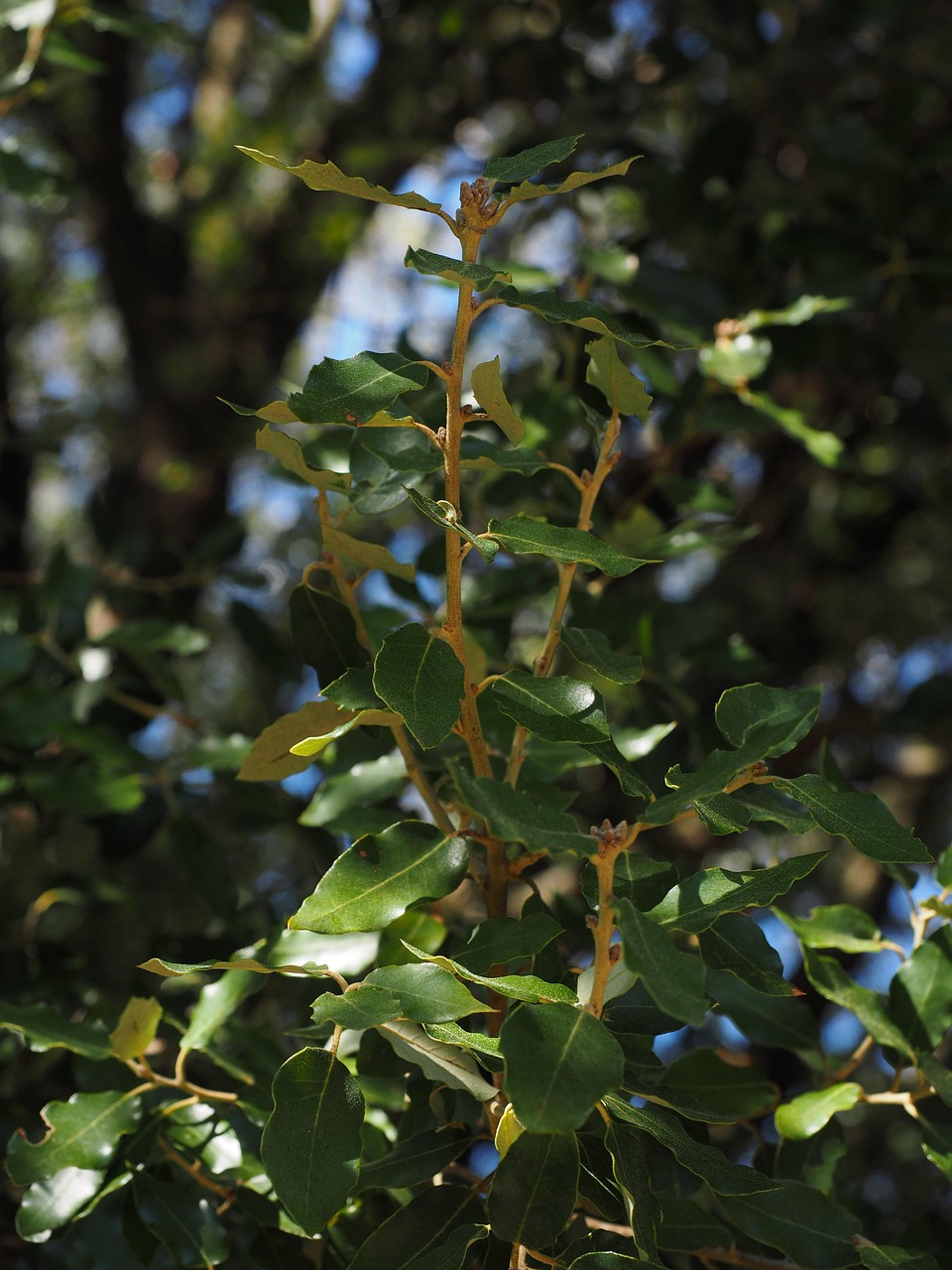
Camphor essential oil is steam-distilled from the wood, roots, and branches of Cinnamomum camphora, a large evergreen tree native to East Asia. The raw distillate contains multiple fractions that are separated by further distillation. White camphor oil is the lightest, most refined fraction and the one most commonly used in cosmetic formulation, perfumery, and aromatherapy blending. Brown and yellow fractions carry heavier, sometimes hazardous compounds and are not appropriate for consumer product use.
This distinction matters even more when buying in bulk. Retail bottles are typically labeled clearly. Wholesale listings, especially from general commodity suppliers, are not always as precise. Knowing which fraction you need before you start comparing prices protects you from a costly mistake. For a deeper look at white camphor's role in finished products, see our guide to white camphor oil in perfumery and blending.
Quality Indicators: What to Look For
Price is the last thing to evaluate, not the first. These are the quality markers that should anchor your comparison.
Gas Chromatography-Mass Spectrometry (GC-MS) Reports
A GC-MS report is the chemical fingerprint of the oil. Any reputable wholesale camphor oil supplier should provide one, either per-batch or upon request. For white camphor, you want to see a high borneol and camphor content (typically 40-60% camphor by weight, depending on source region) with negligible safrole. Safrole is a compound concentrated in the brown and yellow fractions; its presence in a "white camphor" product signals incomplete fractionation or mislabeling.
Country and Botanical Origin
The two dominant commercial sources are Taiwan and China, with some production in Japan, Sri Lanka, and India. Taiwanese camphor has historically been prized for consistency and purity, though Chinese-sourced white camphor from reputable distillers is widely used in professional formulation. Ask suppliers to specify both the botanical species (Cinnamomum camphora) and the country of origin, not just the region or continent.
Optical Rotation and Refractive Index
Alongside the GC-MS report, a full certificate of analysis (COA) should include optical rotation and refractive index values. These physical measurements help confirm authenticity and are harder to manipulate than basic labeling. Camphor oil has a distinctive optical rotation range; any COA that omits these values without explanation is worth questioning.
Color and Clarity
White camphor oil should be clear to very pale yellow in its liquid state. Haziness, visible particulates, or a distinctly yellow or brownish tint at room temperature suggest contamination, inadequate fractionation, or storage degradation. At bulk volumes, request a small sample before committing to the full order.
Aroma Consistency
Camphor has a recognizable sharp, clean, slightly woody-cool scent. Across bulk batches, the aroma profile should remain consistent. Significant variation between lots can indicate blending with synthetic camphor or inconsistent sourcing. Ask whether your supplier offers batch-matched product if you are formulating for a branded line that requires scent consistency.
Key Features to Compare Across Suppliers
Once you have confirmed quality documentation, you can begin a meaningful supplier comparison. These are the features that separate a long-term wholesale partner from a one-time transaction.
Available Size Tiers
Wholesale camphor oil typically comes in several size categories. Common options include 1-liter and 4-liter bottles (sometimes called "case pack" quantities), 5-kilogram to 25-kilogram containers for mid-volume buyers, and 180-kilogram drums for large-scale manufacturing. Not all suppliers serve all tiers. If you are building up your ordering volume gradually, look for a supplier who can meet you at your current scale and grow with you. For guidance on which size makes sense for your operation right now, our article on camphor oil bottle sizes: which to order first is a helpful starting point.
Minimum Order Quantities
True wholesale pricing usually kicks in at a defined minimum order quantity (MOQ). Some suppliers set MOQs at 1 kilogram, others at 25 kilograms or more. Understand the MOQ structure before requesting a quote, because the listed camphor oil bulk pricing often only applies above the MOQ threshold.
Packaging and Shipping Compatibility
Camphor oil is flammable and classified as a hazardous material for shipping purposes. Bulk quantities require UN-rated containers and appropriate hazmat freight arrangements. Confirm that your supplier handles compliant packaging and that your freight carrier is set up for hazmat shipments. Overlooking this step can delay orders or create liability issues at customs, particularly for international purchases.
Lead Times and Stock Availability
Seasonal variation in distillation and shipping disruptions can affect availability. Ask about typical lead times, whether the supplier maintains standing inventory or works on a made-to-order basis, and what their policy is if a batch fails quality inspection before shipment.
Private Label and Documentation Support
If you are a product formulator or brand owner, you may need supplier documentation beyond a COA: safety data sheets (SDS), IFRA conformity statements for fragrance applications, and country-of-origin certificates for regulatory purposes. A wholesale supplier equipped to provide these documents is worth paying slightly more for.
Price Tiers: What to Expect at Different Budget Levels

Camphor oil bulk pricing varies based on origin, purity grade, and order volume. These are general ranges, not fixed market prices, because commodity pricing shifts with crop yields, shipping costs, and currency fluctuation.
| Tier | Typical Volume | Price Range (per kg, approximate) | Best For |
|---|---|---|---|
| Entry Wholesale | 1 to 5 kg | $15 to $30 USD | Small studios, product developers sampling at scale |
| Mid-Volume | 5 to 25 kg | $10 to $20 USD | Growing brands, candle and soap producers |
| Large Volume | 25 to 180 kg | $7 to $14 USD | Manufacturers, distributors, large retailers |
| Drum Quantity | 180 kg+ | Negotiated per contract | Industrial formulators, international distributors |
These numbers assume white camphor oil with full documentation. Undocumented or unfractionated camphor products are often cheaper on paper but carry real formulation and regulatory risk. The savings are rarely worth it.
Red Flags to Avoid
The bulk market is where shortcuts are easiest to hide. Keep an eye out for these warning signs.
- No GC-MS report offered. If a supplier cannot or will not provide batch-specific GC-MS data, there is no reliable way to verify what fraction or quality you are receiving.
- Prices dramatically below market rate. Camphor oil has real production costs. A price that seems too good relative to the ranges above usually signals adulteration, synthetic blending, or mislabeling of the fraction type.
- Vague botanical sourcing. Listings that say only "camphor oil" without specifying Cinnamomum camphora as the species, or that cannot name a country of origin, are not operating with appropriate transparency.
- No SDS available. Safety data sheets are a basic requirement for any hazardous material. A supplier who cannot produce one is not equipped to sell bulk quantities responsibly.
- Inconsistent batch quality. If samples from different batches smell noticeably different, the supplier is not maintaining consistent sourcing or distillation standards.
- No sample policy. Reputable wholesale suppliers almost always allow sample orders before a large purchase. Reluctance to offer samples before a large commitment is a meaningful warning sign.
Where to Buy Wholesale Camphor Oil
Sourcing channels vary significantly in reliability and documentation quality. Here is a practical breakdown.
Specialty Essential Oil Wholesalers
Companies that specialize in essential oils rather than general commodity goods tend to offer better documentation, more precise botanical sourcing, and staff who understand formulation needs. These suppliers usually offer tiered pricing, sample programs, and support for COA and SDS requests. They are typically the best starting point for formulators and brands.
Direct Import from Distillers
For very large volumes, purchasing directly from a distillery in Taiwan, China, or another producing country can reduce the price per kilogram substantially. The tradeoff is that you handle import logistics, customs documentation, and quality verification independently. This channel works well for established buyers with import infrastructure already in place.
B2B Marketplace Platforms
Platforms like Alibaba, Global Sources, and similar directories list many camphor oil suppliers. These can be productive for finding suppliers and comparing pricing, but due diligence is essential. Always request GC-MS reports and samples before ordering. Verify supplier credentials through the platform's verification tools and, where possible, through third-party audits.
Domestic Distributors
For buyers in North America, Europe, or Australia, domestic distributors that import and warehouse camphor oil in country can simplify logistics considerably. You avoid direct import complexity, and shipping times are shorter. The price per kilogram is typically higher than direct import, but the operational convenience often justifies the difference for mid-volume buyers.
For a broader look at vetted online sources across size ranges, our smart shopper's guide to buying camphor oil online covers the landscape in more detail.
Making the Decision: A Practical Checklist
Before placing a wholesale or bulk camphor oil order, work through this checklist.
- Confirm the product is white camphor oil (Cinnamomum camphora, fully fractionated).
- Request and review a current batch GC-MS report.
- Obtain the safety data sheet and confirm hazmat shipping arrangements.
- Order a sample and evaluate color, clarity, and aroma before committing to volume.
- Confirm the MOQ, lead time, and refund or replacement policy for off-spec batches.
- Verify that camphor oil bulk pricing is locked in or understand the conditions under which it may change.
- Ask about documentation support for your specific use case: IFRA statements, COO certificates, etc.
Buying wholesale camphor oil is a straightforward process once you know what documentation to request and which quality signals to trust. Take the time to evaluate suppliers carefully at the start, and the sourcing relationship that follows tends to be both reliable and cost-effective for years to come.