
Camphor Oil Bottle Sizes: Which to Order First
You've decided to add camphor essential oil to your collection. Good choice. Now comes the question that stumps a lot of first-time buyers: do you order the tiny trial bottle, the mid-range 2-ounce, or go straight for the bulk option? Get it wrong and you're either stuck with a bottle you barely use or running out mid-project at the worst possible moment.
This guide walks you through the practical logic of sizing, what quality indicators to look for before you spend a cent, and how to spot the red flags that signal a product worth skipping entirely.
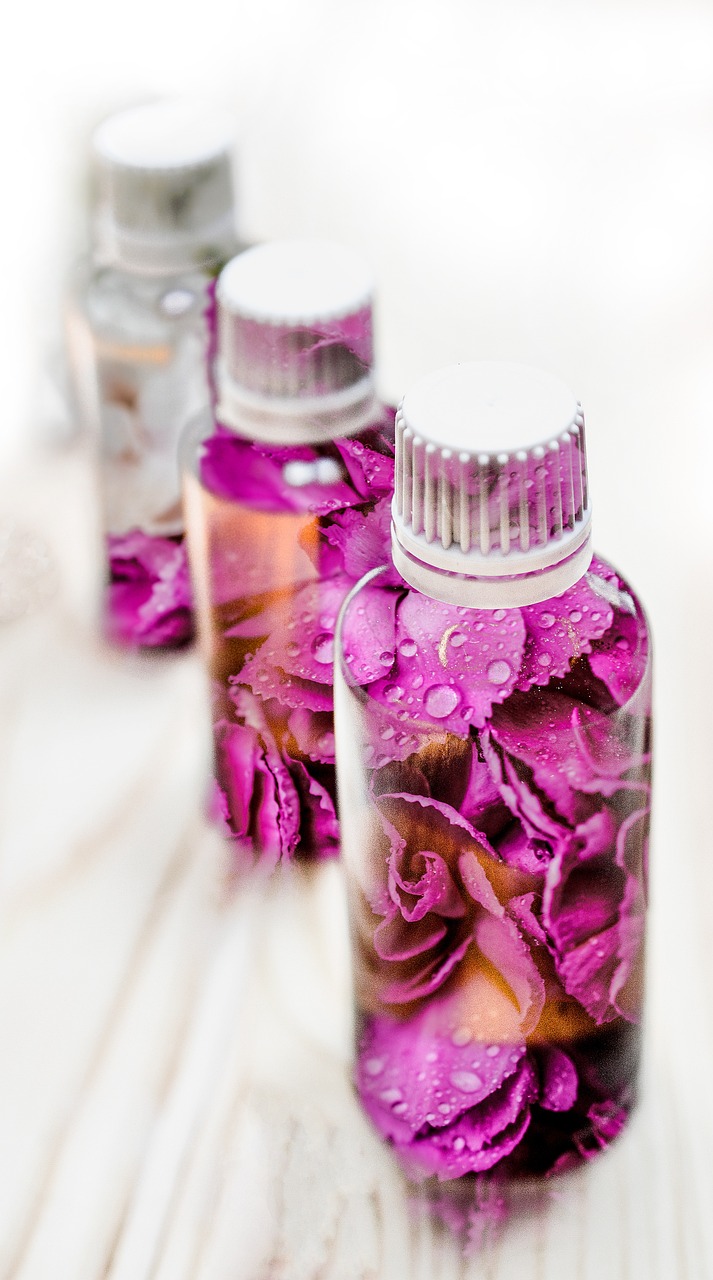
Why Bottle Size Actually Matters
Camphor essential oil is potent. A single drop goes a long way in a diffuser blend or a diluted body oil. That means a 10ml bottle lasts longer than you might expect for casual home use. But if you're blending candles, formulating a skincare line, or running a busy aromatherapy practice, that same 10ml disappears fast.
Buying too small costs more per milliliter. Buying too large ties up money in a product you may not use before its quality starts to decline. The sweet spot depends on two things: your use frequency and your application type.
Before you even think about size, though, you need to know what you're buying. A poorly sourced camphor oil in any bottle size is a bad investment.
What to Look For: Quality Indicators
Species and Origin Transparency
True camphor essential oil comes from Cinnamomum camphora, a large evergreen tree native to East Asia. Reputable suppliers will tell you the botanical name, the country of origin (commonly China, Taiwan, Japan, or India), and which part of the tree was used (typically the wood and branches).
If a listing just says "camphor oil" with no further detail, that's a gap worth questioning. Some oils sold as camphor are blends or synthetic reconstructions, particularly at very low price points. Authentic distilled camphor oil has a sharp, clean, unmistakably cool scent profile. It should never smell flat, musty, or artificially sweet.
Camphor Fractions: White, Brown, and Yellow
Camphor oil is naturally separated into fractions after distillation. White camphor is the lightest and most widely used in cosmetic and aromatic applications. Brown and yellow camphor contain higher concentrations of safrole, a compound restricted or banned in many countries for use in consumer products.
Always confirm you are purchasing white camphor oil. Reputable sellers label this clearly. If a product simply says "camphor oil" without specifying the fraction, contact the supplier before ordering. For a deeper look at how white camphor performs in blending applications, see our guide to white camphor oil in perfumery and blending.
GC/MS Testing and Batch Documentation
Gas chromatography/mass spectrometry (GC/MS) testing identifies the chemical constituents of an essential oil. A trustworthy camphor oil supplier will offer batch-specific GC/MS reports, either on request or available for download on their product page.
Look for reports that show camphor content (often 40 to 60 percent in white camphor), along with supporting constituents like 1,8-cineole, alpha-pinene, and limonene. If a supplier cannot produce a GC/MS report or deflects when you ask, that is a meaningful red flag.
Packaging and Light Protection
Essential oils degrade when exposed to light and heat. Quality camphor essential oil should be packaged in amber or cobalt blue glass bottles. Clear glass bottles are a warning sign for long-term quality. The dropper insert, cap seal, and label should all look professional and secure. A leaking or poorly capped bottle suggests issues with the manufacturer's quality controls beyond just the packaging.
Key Features to Compare Across Bottle Sizes
| Bottle Size | Best For | Typical Price Range | Cost Per ml (Approx.) | Shelf Consideration |
|---|---|---|---|---|
| 5ml to 10ml | First-time buyers, sampling, diffuser use | $5 to $14 | Highest | Use within 12 months once opened |
| 1oz (30ml) | Regular home blenders, candle makers, small batch crafters | $12 to $28 | Mid-range | Good balance of cost and freshness |
| 2oz to 4oz (60ml to 120ml) | Active formulators, soap makers, product developers | $22 to $55 | Lower | Best to use within 18 to 24 months |
| 8oz and above | Small business production, bulk blending | $45 and up | Lowest per ml | Divide into smaller bottles for storage |
Camphor essential oil has a relatively long shelf life compared to citrus oils, but it is not indefinite. Oxidation changes the scent profile over time and reduces its performance in blends. Buying a size you can realistically use within two years is a good rule of thumb.
Top Picks at Different Price Points

Best for First-Time Buyers: 10ml Starter Bottle
If you have never worked with camphor essential oil before, start with a 10ml bottle from a supplier who provides GC/MS documentation. Spend a little more per milliliter here to ensure quality. This size lets you learn the oil's scent character, test it in your diffuser or a small diluted blend, and decide how often you'll actually reach for it.
Brands like Plant Therapy, Eden Botanicals, and Aromatics International offer small sizes with solid documentation. Expect to spend between $7 and $14 for a quality 10ml bottle.
Best Mid-Range Value: 1oz (30ml)
This is the size most home crafters should default to on a second or third order. You've confirmed you like the oil, you have a use for it, and you want better cost-per-ml without overcommitting. A 1oz bottle from a reputable supplier typically runs $15 to $28, depending on sourcing and brand positioning.
At this size, look for suppliers who offer the GC/MS report as a downloadable PDF alongside the product listing. That's a sign of a seller who takes transparency seriously across their entire range, not just the premium-priced items.
Best for Formulators: 2oz to 4oz
If you're actively developing a product line, making candles in batches, or blending regularly, the 2oz to 4oz range makes financial sense. You'll save meaningfully on cost per milliliter, and a quality amber glass bottle in this size will protect the oil well over time.
At this price tier, pay attention to how the oil is priced relative to market averages. Camphor oil pricing varies based on supply chain factors, harvest cycles, and regional sourcing. Our breakdown of how camphor oil is priced in today's market gives helpful context before you commit to a larger order.
Best for Business or Bulk Use: 8oz and Above
Once you're ordering 8oz or more, you're entering wholesale-adjacent territory. Pricing structures shift, minimum order quantities sometimes apply, and the relationship with your supplier becomes more important. Reputable bulk suppliers should still provide full documentation and be willing to discuss sourcing in detail.
For everything you need to know about moving into larger quantities, our dedicated resource on wholesale and bulk camphor oil purchasing covers the process from supplier vetting to storage logistics.
Red Flags to Avoid
Knowing what not to buy is just as useful as knowing what to buy. Watch out for these warning signs.
- Suspiciously low prices. Genuine distilled white camphor oil has real production costs. A 1oz bottle priced at $3 or $4 almost certainly signals adulteration, a synthetic base, or a misrepresented product.
- No botanical name listed. Every reputable essential oil listing should show Cinnamomum camphora as the botanical source. Missing this information suggests the seller is not operating to professional standards.
- Clear glass packaging. As noted above, light exposure degrades essential oils. Clear glass is not acceptable for quality packaging.
- No return or freshness policy. Quality suppliers stand behind their products. A complete absence of customer service information or return guidance is a sign to look elsewhere.
- Vague "camphor oil blend" labeling. Some products mix genuine camphor oil with carrier oils or synthetic camphor without clear disclosure. Read the ingredient list. If it is pure essential oil, the only ingredient should be Cinnamomum camphora.
- Seller cannot confirm the fraction (white vs. brown vs. yellow). This is a basic question. A supplier who cannot answer it does not have sufficient product knowledge.
Where to Buy Camphor Essential Oil
Specialty Essential Oil Retailers
Established essential oil retailers with dedicated quality programs are generally the most reliable source. Companies like Eden Botanicals, Aromatics International, Stillpoint Aromatics, and Liberty Natural Products publish GC/MS reports, source transparently, and have customer service teams who can answer specific sourcing questions.
Direct from Distillers
Some distillers in China, India, and Taiwan sell directly to international buyers, often at lower prices. This route requires more due diligence on your part. Ask for documentation, request a sample before committing to a larger order, and research the company independently before sending payment.
General Marketplaces (With Caution)
Platforms like Amazon or Etsy carry camphor oil from a wide range of sellers. Quality varies enormously. If you buy from a marketplace listing, prioritize sellers who link to GC/MS reports, specify the botanical name and fraction, and have detailed, verifiable reviews. Avoid marketplace sellers with generic branding and no verifiable company information.
A Quick Decision Framework
- First order, never used camphor oil: Buy a 10ml bottle from a documented specialty retailer.
- Confirmed you like it, use it a few times a month: Move to 1oz. Good value, manageable quantity.
- Regular formulator or crafter: Step up to 2oz or 4oz. Reorder every 12 to 18 months for freshness.
- Running a product-based business: Explore bulk and wholesale pricing. Vet suppliers thoroughly before committing to volume.
The camphor essential oil bottle you order first sets the tone for your relationship with this oil. Start with a size that matches your actual use, from a supplier who can answer your questions clearly. From there, scaling up is straightforward once you know what you're working with.