What Is Camphor Oil? The Complete Guide to a Crisp Classic
Key Takeaways
- Camphor oil is a steam-distilled essential oil derived from the wood, roots, and branches of Cinnamomum camphora, a large evergreen tree native to East Asia.
- The oil's signature scent is cool, piercing, and resinous: a camphoraceous note that perfumers and aromatherapists have valued for centuries.
- Commercial camphor oil is typically fractioned into white, brown, and yellow grades; only white camphor is considered safe for cosmetic and aromatic use.
- Camphor has a documented history spanning more than a thousand years, woven through Chinese medicine traditions, Indian Ayurvedic practice, and global spice-route trade.
- Because of its potency, proper dilution and careful handling are essential before camphor essential oil is used in any personal care or aromatic application.

Defining Camphor Oil: More Than a Single Ingredient
Ask a perfumer, a traditional herbalist, and a cosmetic formulator what camphor oil is, and you will get three different answers. All three are correct. That is part of what makes this oil so interesting to understand.
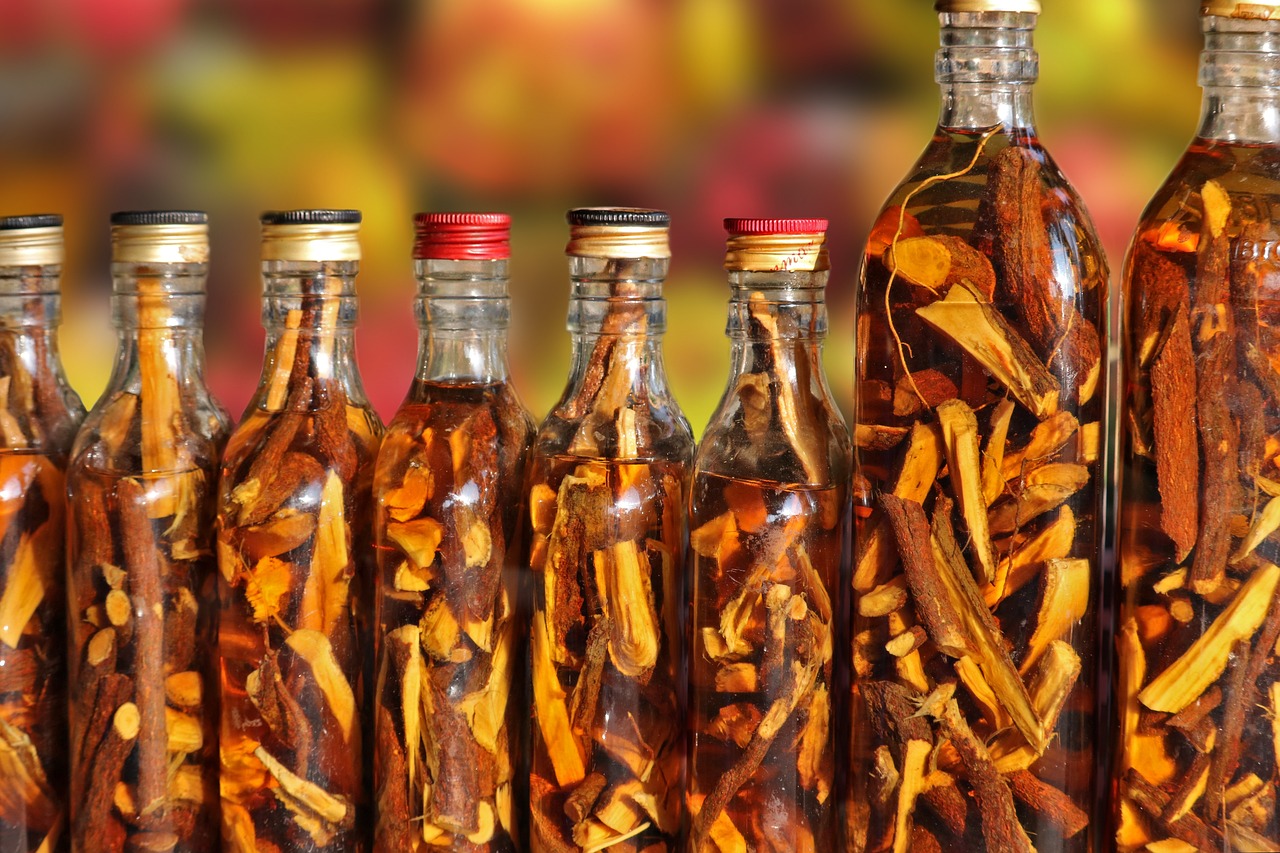
At its most fundamental, camphor oil is an aromatic oil obtained from the camphor tree (Cinnamomum camphora) through steam distillation of chipped wood, bark, and roots. The raw distillate is then separated by fractional distillation into distinct portions based on their specific gravity and chemical composition. The lightest fraction, white camphor oil, is the grade used in aromatherapy and cosmetic products. The heavier fractions, brown and yellow camphor, carry significantly different chemical profiles and are not appropriate for personal use.
So: is camphor an essential oil? Yes, in the strict botanical sense. It is a volatile aromatic compound extracted from plant material by distillation. The camphor molecule itself (a bicyclic monoterpenoid ketone) occurs in high concentration in the distillate, and it is that molecule that gives the oil its cooling, penetrating character.
However, camphor also occupies a unique position in the world of naturals. Unlike lavender or sweet orange, the camphor tree does not give up its aromatic compounds easily. The wood must first be chipped and steam-distilled in large industrial quantities. The crude distillate is then processed further. This means the oil that reaches your shelf has passed through more refining steps than many other essential oils. That context matters when evaluating sourcing claims and quality.
The term oil of camphor appears frequently in older pharmacopeial texts and in historical trade records. It refers to essentially the same material: the liquid aromatic oil (as opposed to camphor in its solid, crystallized form) derived from the same tree. When you see that phrase in antique recipes or historical documents, you are looking at the ancestor of the product sold today.
One more distinction worth making early: camphor the molecule is also produced synthetically from turpentine oil (alpha-pinene). Synthetic camphor has legitimate industrial uses, but it is not the same as naturally distilled camphor essential oil from Cinnamomum camphora. When you are buying for aromatic or cosmetic purposes, look for natural origin and a clear declaration of the botanical source.
The Tree Behind the Oil

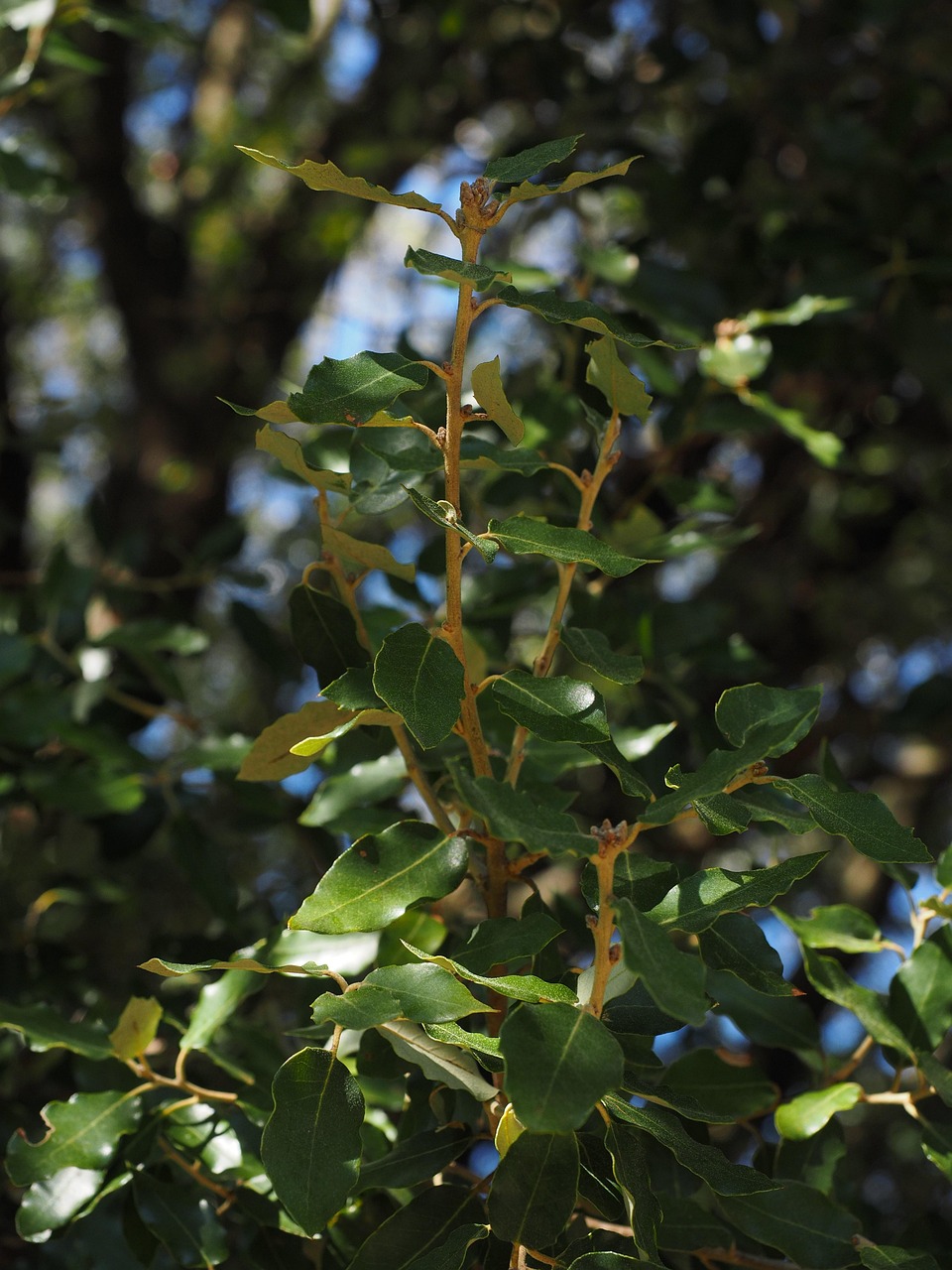
Every essential oil begins with a plant. For camphor, that plant is extraordinary. Cinnamomum camphora, commonly called the camphor laurel, is a large, long-lived evergreen tree in the Lauraceae family. It can grow to 20 to 30 meters tall and live for several centuries. Older specimens in Japan and China have been designated national monuments.
The tree is native to southern China, Taiwan, and Japan, and it has been cultivated across East Asia for millennia. Today it also grows in parts of India, Sri Lanka, Madagascar, and even subtropical regions of Australia and the United States, where it is sometimes considered invasive due to its vigor and adaptability.
What makes Cinnamomum camphora botanically interesting for the essential oil producer is the distribution of aromatic compounds throughout its tissues. The camphor molecule accumulates in special secretory cells found in the wood, bark, leaves, and roots. The heartwood of older trees is richest in camphor content. This is why the distillation of camphor oil is traditionally a wood-focused process rather than a leaf-focused one, unlike tea tree or eucalyptus, where the leaves are the primary aromatic source.
The tree belongs to the same family as cinnamon (Cinnamomum verum), bay laurel, and avocado. If you have ever noticed a faint laurel-like quality in camphor's scent alongside the more dominant cooling notes, that family resemblance is not accidental.
Chemotype variation is worth noting here. Cinnamomum camphora exhibits different chemical populations depending on geographic origin. Trees in Japan and China tend to produce the camphor-rich profile that gives the oil its classic identity. However, some populations of the same species yield oils dominated by linalool, 1,8-cineole, or safrole rather than camphor. Ho wood oil (linalool-rich) and ravintsara oil (cineole-rich, from Madagascar) both come from chemotypes of Cinnamomum camphora, which is why these oils are sometimes confused in the market. True camphor essential oil should declare its chemotype and origin clearly.
For a closer look at the biology, cultivation history, and regional varieties of the camphor tree, see our dedicated article on Cinnamomum camphora: The Tree Behind Camphor Oil.
From Heartwood to Bottle: How Camphor Oil Is Made
The production of camphor essential oil is one of the more involved processes in the essential oil industry. Understanding it helps you evaluate quality and ask better questions of suppliers.
Step 1: Harvesting
Camphor trees are harvested at maturity, typically when the tree is at least 50 years old, although plantation-grown trees may be harvested younger. Branches, roots, and wood chips from felled or pruned trees are collected. Sustainability-conscious producers increasingly source from prunings and managed plantations rather than old-growth forest harvesting.
Step 2: Chipping and Preparing the Wood
The raw wood is chipped or shredded to increase surface area before distillation. Smaller chips release aromatic compounds more efficiently during steam exposure. The chips are loaded into large distillation vessels called stills.
Step 3: Steam Distillation
Steam is passed through the chipped wood at controlled temperatures and pressures. The steam volatilizes the aromatic compounds present in the wood's secretory cells, carrying them upward through a condenser, where the steam and oil vapors cool and separate. The heavier water fraction (hydrosol) sinks, and the lighter oil fraction floats. This crude distillate is sometimes called crude camphor oil.
Step 4: Crystallization and Pressing
An interesting step that distinguishes camphor production from most other essential oil processes: as the crude distillate cools, solid camphor crystals form and precipitate out. This crystalline camphor is the familiar white waxy solid sold in blocks or flakes. It is filtered out of the liquid.
Step 5: Fractional Distillation
The remaining liquid (after crystal removal) is then fractionally redistilled. This step separates the remaining oil into distinct fractions based on their boiling points. White camphor oil (the lightest fraction) comes over first. Yellow camphor follows. Brown camphor, which contains safrole, a compound of regulatory concern, is the heaviest fraction. Only white camphor oil is appropriate for cosmetic and aromatic applications.
This multi-step process means the white camphor oil you purchase represents a refined, selected portion of the full distillate. It is not simply pressed or single-distilled in the way that many other essential oils are produced.
For a more detailed, step-by-step account of this process including images of traditional distillation equipment, visit our article on How Camphor Oil Is Made: From Wood to Crystal to Distillate.
The Scent Profile: What to Expect in the Bottle
Open a bottle of white camphor essential oil and you will understand immediately why it has captivated perfumers and aromatic practitioners for centuries. The scent is arresting. Clean. Penetrating in a way that feels almost physical.
The primary aromatic impression is what fragrance professionals call camphoraceous: a crisp, piercing, slightly medicinal coolness that shares qualities with eucalyptus and mint without being either. Beneath that dominant top note, attentive noses often detect:
- A resinous, woody base with subtle sweetness
- A faint herbal quality, slightly reminiscent of rosemary or sage
- A cooling sensation that feels almost mentholated, even though camphor and menthol are distinct molecules
- A clean, almost crystalline quality that makes it feel transparent rather than heavy
In perfumery, camphor sits in the aromatic or fougère family. It contributes lift and diffusion to blends. Even in small concentrations, it can open up a fragrance, creating the impression of air and space. This is why it historically appeared in classic masculine colognes and fresh aromatic blends, often alongside lavender, clary sage, or woods like cedarwood and vetiver.
The cooling sensation is worth examining more closely. Camphor activates TRPM8 receptors (the same pathway that menthol uses), which explains why inhaling camphor vapor produces that characteristic feeling of coolness in the nasal passages. This is a sensory response, not a temperature change. It makes camphor a useful inhalation oil during cold winter evenings when you want to make the air feel crisp and clear.
Camphor's scent is persistent. It has reasonable tenacity for a top note, which means it lasts longer in a blend or on a surface than oils like bergamot or lemon. This persistence, combined with its diffusive quality, makes it effective in smaller proportions in diffuser blends.
If you want a truly thorough breakdown of camphor's scent, including comparisons to related oils and suggestions for complementary notes, our article on What Does Camphor Oil Smell Like? A Full Scent Profile goes into considerable depth.
White, Brown, and Yellow: Understanding the Fractions
This section is one of the most practically important in any guide to camphor oil. The fractional distillation process described earlier does not produce a single uniform product. It produces several distinct fractions with meaningfully different chemical compositions and safety profiles.
White Camphor Oil
White camphor is the first and lightest fraction to come over during redistillation. It is water-white to very pale in color and has a clean, transparent, camphoraceous scent. Its primary constituent is camphor (the ketone), along with alpha-pinene, camphene, limonene, and other monoterpenes. Safrole content is negligible.
White camphor is the only fraction appropriate for cosmetic, aromatic, and personal care applications. It is what reputable essential oil suppliers mean when they sell "camphor essential oil" for home use.
Yellow Camphor Oil
Yellow camphor is the middle fraction. It has a deeper, heavier scent and contains a broader range of sesquiterpenes. It is sometimes used in industrial fragrance applications or in soaps where the scent profile is acceptable at the concentration levels used. It is not typically sold directly to consumers for topical or inhalation use.
Brown Camphor Oil
Brown camphor is the heaviest, darkest fraction and contains significant concentrations of safrole, a phenylpropanoid compound that is a regulated substance in many countries due to concerns about its chemistry. Brown camphor oil is not for personal use in any capacity. It is important to be aware of its existence because unscrupulous suppliers occasionally mislabel fractions, and the price difference can be significant.
When purchasing camphor essential oil for home or cosmetic use, always verify:
- The fraction is explicitly stated as white camphor oil
- A gas chromatography/mass spectrometry (GC/MS) report is available or provided
- Safrole content is confirmed to be absent or at trace levels only
| Fraction | Color | Key Constituents | Safrole? | Consumer Use? |
|---|---|---|---|---|
| White Camphor | Colorless to pale | Camphor, alpha-pinene, camphene | Negligible | Yes, with proper dilution |
| Yellow Camphor | Yellow to amber | Camphor, sesquiterpenes | Low to moderate | Industrial fragrance only |
| Brown Camphor | Dark brown | Safrole, camphor, higher compounds | High | No |
For a detailed chemical breakdown of each fraction, including typical GC/MS constituent percentages and guidance on how to read a camphor oil analysis report, see our article on White vs. Brown Camphor Oil: Fractions Explained.
A Thousand Years of History and Culture
Camphor's story is long enough to fill a library. It stretches from ancient Chinese texts to medieval Arab trade networks, from Sanskrit pharmacopeias to the perfume ateliers of early modern Europe. To understand what camphor oil is, it helps to understand what camphor has meant to different cultures across time.
Early East Asian Use
The camphor tree and its crystalline product were known in China at least as far back as the Tang Dynasty (618 to 907 CE), and likely much earlier. The solid crystals, called zhangnao in Chinese, appeared in traditional formulations recorded in classical materia medica texts. The tree itself (zhang shu) was regarded as sacred in many communities. Ancient camphor trees still standing in Japanese Shinto shrine complexes are treated as living monuments.
In Japan, camphor trees (called kusunoki) were central to shipbuilding, cabinetry, and ritual life. The wood's natural aromatic quality made it resistant to insects, which was a practical advantage that also acquired symbolic resonance over centuries of use. Camphor chests and storage boxes became cultural objects precisely because of that aromatic property.
The Arab and Persian Trade Routes
Camphor entered the wider world through medieval Arab traders who transported it from the forests of Borneo and Sumatra. Known in Arabic as kafur (the likely etymological root of the English word "camphor"), it was among the most prized aromatic substances in the medieval world, alongside musk, ambergris, and oud. Arab physicians and writers described its cooling, clarifying scent and incorporated it into aromatic preparations.
Marco Polo mentioned camphor in his accounts of Southeast Asia, and it appears in the One Thousand and One Nights as a symbol of rarity and luxury. At certain points in history, Borneo camphor (from a different species, Dryobalanops aromatica) commanded prices comparable to gold. The Cinnamomum camphora camphor that became the commercial standard came somewhat later, but it inherited much of that cultural mystique.
European Arrival and Colonial-Era Trade
Camphor reached European markets through Venetian and later Portuguese trade networks. By the Renaissance, it appeared in European distillation manuals and was used in perfumery, textile preservation, and embalming. It became an ingredient in smelling salts, scented waters, and various cosmetic preparations of the era.
The 19th century brought industrial-scale camphor production, largely driven by demand for its use in cellulose nitrate plastics (celluloid), smokeless gunpowder, and lacquers. Taiwan became the world's leading camphor producer under Japanese administration, with camphor forests representing significant economic and geopolitical importance. That industrial chapter of camphor's history is largely over now, replaced by synthetic alternatives in those industrial applications, but it explains why camphor plantations exist at the scale they do.
Camphor in Religious and Ritual Contexts
In Hinduism, camphor holds a place of genuine spiritual significance. Burning camphor during aarti (a devotional ritual involving fire and light) is a practice observed across India and in Hindu diaspora communities worldwide. The quality valued in this context is symbolic: camphor burns completely, leaving no residue, an attribute associated with the burning away of ego and impurity. The scent that fills a temple during aarti is among the most culturally embedded aromatic experiences in the world.
Similarly, camphor appears in Buddhist traditions across East Asia, particularly in the context of incense and aromatic offerings. Large camphor trees near temples are often considered spiritually significant in their own right.
For the full historical account, including regional trade data, archival sources, and the story of Taiwan's camphor industry, visit our longform history piece: A Thousand Years of Camphor: Temples and Trade Routes.
Cosmetic and Aromatic Uses Today
Today's camphor essential oil occupies a narrower but well-defined space in cosmetic formulation and home aromatics. Its potency means it is used in lower concentrations than many other oils, but that same potency means a little accomplishes quite a lot.
In Home Diffusion and Aromatic Blending
White camphor oil is a useful diffuser oil for evening routines when you want the atmosphere to feel crisp and clear. Its cooling, expansive scent may help create a sense of freshness in a room. It blends particularly well with:
- Eucalyptus globulus or radiata (for a bright, airy atmosphere)
- Lavender (to soften camphor's sharpness and add floral warmth)
- Rosemary (to enhance the herbal quality)
- Cedarwood Atlas (to ground the blend with woody depth)
- Peppermint (to amplify the cool, fresh quality)
A typical diffuser blend using camphor might include 1 to 2 drops of camphor alongside 3 to 4 drops of supporting oils. Because camphor is penetrating and persistent, it does not need to dominate a blend to be perceptible. Start with less than you think you need and adjust from there.
In Skincare Formulation
Camphor has a history of use in cosmetic preparations, particularly in products intended for the scalp and hair. Its cooling sensation makes it a popular addition to scalp serums, shampoos, and hair oils where that invigorating quality is part of the product's sensory experience.
In facial skincare, camphor appears occasionally in products targeting oily or congested skin, often formulated alongside clays, witch hazel, or other astringent ingredients. The scent itself contributes to a feeling of freshness and cleanliness that many users associate with effective skin cleansing.
In body care, camphor is a classic component of cooling balms and massage preparations where the temperature sensation is part of the desired experience. Sports-oriented balms and post-exercise products have featured camphor for well over a century.
Camphor's sensory contribution to a product is often underestimated by formulators working primarily with data. The cooling sensation it imparts on skin is real, repeatable, and significant to users. It is a functional sensory ingredient, not merely a scenting agent.
In Perfumery
Natural camphor is a niche but meaningful ingredient in natural perfumery. It contributes a dry, crystalline top note and exceptional diffusion. Perfumers sometimes describe it as adding a kind of audibility to a fragrance: it makes the composition easier to smell from a distance. Classic fougère structures (which pair aromatic herbs with oakmoss, coumarin, and woods) often benefit from a touch of camphor to emphasize their aromatic character.
Camphor also appears in incense formulation, both in stick and resin blend forms, where it contributes to the clean, clarifying quality of devotional incense traditions.
In Insect-Deterrent Products
One well-established cosmetically adjacent use of camphor is in products designed to deter insects in storage spaces. Cedar chests and camphor chests served this purpose for centuries. Aromatic sachets containing camphor chips, camphor crystals, or camphor oil-infused materials are still used in wardrobes and storage boxes as a moth deterrent. This is not a cosmetic claim; it is a sensory and behavioral response of insects to camphor's volatile compounds, and it is well-documented in entomological literature.
Safety, Dilution, and Sensible Handling
Camphor essential oil is potent. This is not a disclaimer added for legal formality. It is a practical reality that should shape every decision you make about using it. Understanding the safety parameters around camphor does not make it a difficult oil to work with; it makes you a more capable and confident user.
Why Camphor Demands Respect
The camphor molecule in high concentrations is a ketone with significant physiological activity. Camphor poisoning from oral ingestion, even of relatively small amounts, is a genuine clinical concern, which is why camphor-containing products in many countries carry strict concentration limits and labeling requirements. This guide is about aromatic and cosmetic use only. Camphor essential oil is never for internal use.
For topical application, the EU's Scientific Committee on Consumer Safety (SCCS) has evaluated camphor and set maximum usage concentrations for different product categories. Responsible formulators work within these parameters. For home blending, the relevant guidance is to keep camphor at conservative dilution levels.
Recommended Dilution for Home Use
When blending camphor essential oil into a carrier oil for topical application (massage, scalp care, body balm), a dilution of 0.5% to 1% is appropriate for most adults. This means approximately 3 to 6 drops of camphor essential oil per 30 ml (one ounce) of carrier oil. Staying at or below 1% is prudent for a first-use or new-to-camphor context.
In leave-on facial products, camphor should be used with particular care and at the lower end of any concentration range. For rinse-off products like shampoos, slightly higher levels may be acceptable, but working with established formulation guidelines is wise.
Who Should Exercise Extra Caution
- Pregnant and breastfeeding individuals: Camphor is generally considered unsuitable during pregnancy. Consult a qualified healthcare provider before any use.
- Infants and young children: Camphor-containing products are widely contraindicated for use on or near children under 2 years old. Many guidelines extend this caution further. Keep camphor oil stored out of reach of children.
- Individuals with seizure history: Camphor's chemistry is relevant here; consult a healthcare provider before aromatic or topical use.
- Anyone with sensitive skin: Perform a patch test before any topical application. Apply a small amount of the diluted preparation to the inner arm, wait 24 hours, and assess for any reaction before wider use.
Storage and Handling
Store camphor essential oil in a dark glass bottle, tightly sealed, away from heat and light. Camphor is relatively stable compared to many essential oils, but oxidation over time will alter its scent profile and potentially increase skin sensitization potential. A shelf life of 2 to 3 years from distillation date is a reasonable working assumption if stored properly.
Never use camphor near open flames. Like all essential oils, it is flammable. Keep it away from heat sources and candles when diffusing.
For a comprehensive handling guide covering dilution tables, carrier oil pairings, patch testing protocols, and storage practices, see our detailed resource: Camphor Oil Dilution and Handling: Sensible Use of a Potent Oil.
How to Buy Camphor Essential Oil: A Practical Guide
The camphor essential oil market has some specific pitfalls that an informed buyer can easily avoid. Here is what to look for and what to question.
What the Label Should Tell You
A properly labeled camphor essential oil will include:
- Botanical name: Cinnamomum camphora (be cautious if this is absent)
- Fraction or type: White camphor oil, explicitly stated
- Country of origin: Typically China, India, or Taiwan for genuine camphor oil
- Part of plant used: Wood, or wood and root
- Extraction method: Steam distillation
- Lot number and batch traceability
If a product simply says "camphor oil" without specifying fraction, or if it offers no botanical name, these are gaps worth asking about before purchase.
GC/MS Testing: Your Most Useful Tool
Gas chromatography/mass spectrometry testing is the standard analytical method for verifying essential oil identity and purity. Reputable suppliers will either publish GC/MS reports on their website or make them available on request. For camphor oil specifically, you want to confirm:
- Camphor (the ketone) is present as a dominant constituent, typically in the range of 40% to 60% for white camphor oil
- Safrole is absent or at trace levels only (below 0.1% is the expected result for genuine white camphor)
- The overall constituent profile matches published reference ranges for white camphor from the declared origin
Suppliers who decline to share testing data or who cannot explain their quality verification process deserve skepticism, particularly for an oil like camphor where fraction mislabeling carries real consequences.
Price Signals
Camphor essential oil is not an expensive oil relative to most naturals. It is produced in significant industrial quantities, and genuine white camphor should be reasonably priced. If you encounter camphor priced dramatically below market norms, that is a reason to ask questions about quality and sourcing. Conversely, very high prices for camphor are not automatically a quality signal; the oil's production economics do not support extreme premium pricing the way that rare florals (rose, neroli) might.
Organic and Sustainability Claims
Certified organic camphor essential oil exists and is worth seeking for personal care use. Organic certification for camphor is less universal than for some other oils because much production comes from older plantation trees and wild-harvested sources where certification infrastructure is less developed. If organic sourcing matters to you, look for a recognized certifying body (USDA Organic, Ecocert, or equivalent) rather than general "natural" claims.
Sustainability is an increasingly important consideration. Some camphor production involves harvesting of mature trees that cannot be quickly replaced. Suppliers who can explain their sourcing practices, including whether they use managed plantations, prunings, or certified sustainable forestry, demonstrate a level of supply chain engagement worth rewarding.
Smell It Before You Commit (When Possible)
Camphor essential oil has a distinctive, unmistakable scent. If you have an opportunity to smell a tester before purchasing, the oil should present as clean, crisp, and cooling. Any hint of mustiness, a brownish color, or a heavier, more complex scent than expected could indicate a heavier fraction than advertised. Trust your nose; it is a remarkably sensitive analytical instrument when it comes to aromatic quality.
Bringing It All Together
Camphor oil rewards those who take the time to understand it. It is not a simple, beginner-friendly floral that works the same way in every context. It has a specific identity shaped by its botanical origin, its complex production process, and its very long cultural history.
What camphor oil offers, at its best, is clarity. In the diffuser, it opens a room and makes the air feel alive. In a cosmetic formula, it contributes a cooling sensation and a scent that reads as clean and purposeful. In a perfume blend, it lifts the composition and gives it reach. In a storage sachet, it keeps moths at a respectful distance. These are distinct, practical contributions from a single oil with a thousand-year history of earning its place on the shelf.
As with all potent aromatic materials, the key is informed use. Know which fraction you have. Dilute it appropriately. Keep it away from children and away from heat. Source it from suppliers who can account for their product from tree to bottle.
Do that, and camphor essential oil will be one of the most characterful and satisfying additions to your aromatic or cosmetic practice.
Ready to go deeper? Explore the full camphor collection:
- What Does Camphor Oil Smell Like? A Full Scent Profile
- Cinnamomum camphora: The Tree Behind Camphor Oil
- How Camphor Oil Is Made: From Wood to Crystal to Distillate
- A Thousand Years of Camphor: Temples and Trade Routes
- White vs. Brown Camphor Oil: Fractions Explained
- Camphor Oil Dilution and Handling: Sensible Use of a Potent Oil