
Camphor as a Perfume Note: The Crisp Camphoraceous Family
There is a moment, usually outdoors in winter, when cold air carries a sharp, almost medicinal brightness that stops you mid-breath. Perfumers have been chasing that sensation for centuries, and one ingredient sits at the heart of it: camphor. As a camphor perfume note, it occupies a fascinating corner of the fragrance world. It is simultaneously ancient and modern, polarizing and precise, difficult to place yet instantly recognizable once you know it.
This deep-dive looks at what camphor actually is from a chemical standpoint, how perfumers classify and use the camphoraceous fragrance family, what research observations tell us about its aromatic compounds, and what you need to know about sourcing quality material safely.
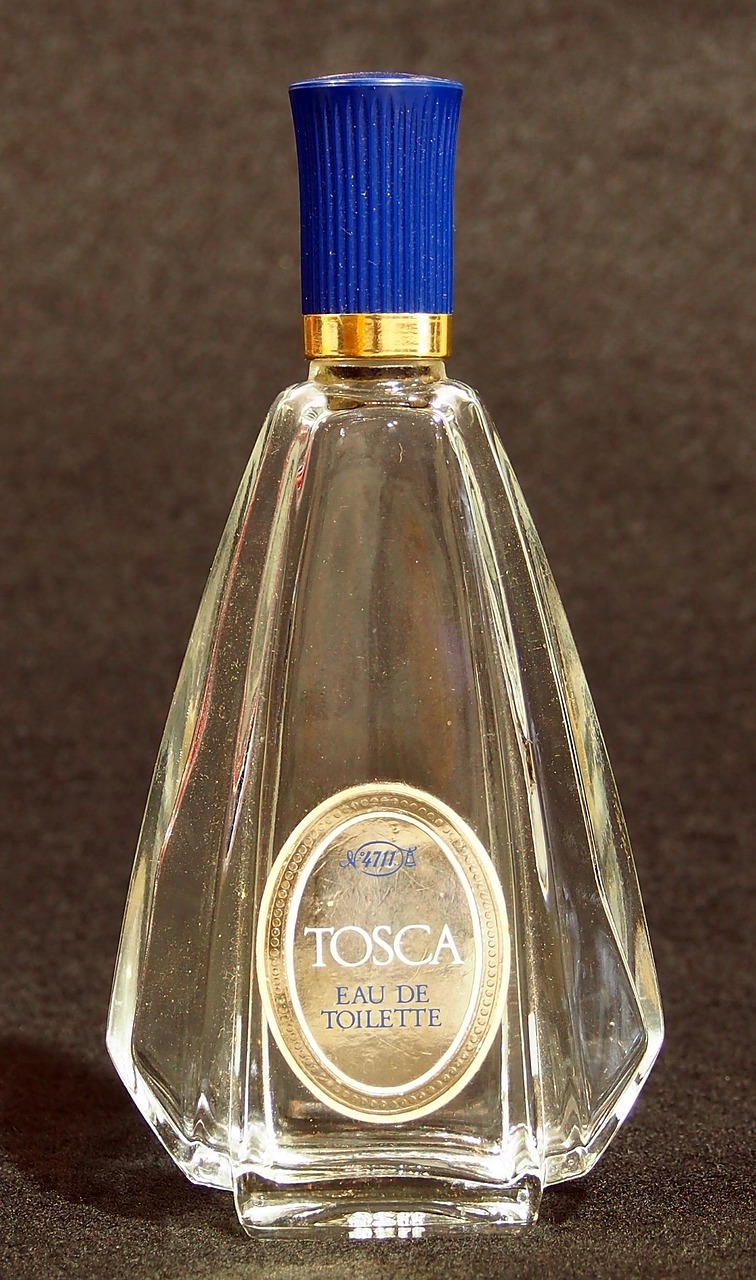
The Camphoraceous Fragrance Family: A Formal Introduction
Fragrance classification systems have long recognized a distinct camphoraceous family, sometimes grouped under broader herbal or fougère umbrellas but consistently treated as its own sensory category. The defining quality is that crisp, cool, slightly sharp character: penetrating without being harsh, clean without smelling like soap, and bracing in a way that feels genuinely natural rather than synthetic.
The camphoraceous family clusters with eucalyptus, rosemary, lavandin, and certain coniferous notes. All of them share elevated concentrations of specific molecular compounds, particularly 1,8-cineole and borneol, which interact with nasal receptors to produce that signature coolness. Camphor itself, the compound rather than the tree, occupies the top of this sensory pyramid. It reads faster on the nose than eucalyptus, less green than rosemary, and far more assertive than most lavenders.
In modern perfumery, camphoraceous notes often appear in the top or heart of a composition, providing lift and brightness. They signal freshness and clarity to a wearer's nose before the warmer base notes arrive. Historically, they featured prominently in fougères, chypres, and masculine aquatics. Today, perfumers across genders deploy crisp notes in perfumery precisely because they register as clean without relying on the overused citrus-burst formula.
Chemical Composition: What Gives Camphor Its Character
Camphor essential oil is distilled primarily from Cinnamomum camphora, a large evergreen tree native to East Asia, particularly Taiwan, Japan, and parts of China. The crude oil undergoes fractional distillation to separate it into white, yellow, and brown fractions based on density and composition. White camphor oil is the fraction used in cosmetics and perfumery; the heavier brown fraction contains safrole and is considered unsuitable for these applications.
The key aromatic compounds in white camphor oil include:
- Camphor (the ketone compound): Typically comprising 30 to 50 percent of white camphor oil, this bicyclic monoterpenoid ketone delivers the defining sharp, cool, penetrating note. Its vapor pressure is high relative to its molecular weight, which explains why it projects so immediately on the skin or diffuser.
- 1,8-Cineole (eucalyptol): Ranging from roughly 10 to 20 percent, this oxide compound contributes the softer, slightly cooling layer beneath camphor's sharper edge. It is the same compound that defines eucalyptus oil and softens what would otherwise be an abrasive opening.
- Alpha-pinene and beta-pinene: These monoterpene hydrocarbons add a woody, resinous undertone. They evaporate quickly and contribute to the top-note character, lending a slight forest quality that grounds the sharper camphor compound.
- Borneol: A monoterpenoid alcohol that reads as camphoraceous but slightly earthier. Research published in fragrance chemistry literature has observed borneol as a contributor to the "cool-dry" facet that perfumers often describe when working with camphoraceous materials.
- Safrole (in brown fraction only): Worth understanding because its absence in properly fractionated white camphor oil is a quality indicator. Safrole is regulated by the International Fragrance Association (IFRA) due to safety concerns, and reputable suppliers test to confirm its removal.
Research Observations on Camphor's Aromatic Compounds
Scientific interest in the olfactory and chemical behavior of camphoraceous compounds has produced a useful body of literature, though it is worth framing these findings carefully. Research suggests associations and observations; it does not establish perfumery outcomes as guaranteed or universal.
One area of consistent observation involves the interaction between camphor and cold-sensitive receptors in the nasal mucosa. Several studies have examined how certain monoterpenoid ketones interact with TRPM8 receptors, which are associated with the perception of coolness. Research published in journals covering chemical senses suggests that camphor activates these receptors at lower concentrations than menthol, producing a subtler coolness rather than an intense minty sensation. This explains the "crisp" descriptor perfumers reach for: it is a genuine physiological response, not just a poetic label.
Separate research has examined the evaporation behavior of camphor as a volatile compound. Its relatively high sublimation rate at room temperature, well-documented in physical chemistry literature, means that camphor as a perfume note leads in diffusion. Some research suggests this front-loading quality makes camphor useful for opening a fragrance composition with strong projection before settling into supporting the middle notes. Perfumers working with white camphor oil in perfumery and blending often describe managing this volatility as one of the key technical skills.
Studies examining the olfactory classification of camphoraceous compounds frequently place them in a separate primary odor category from floral, musky, or sweet families. Research from psychophysical fragrance studies suggests trained evaluators consistently rate camphoraceous stimuli as high on "sharpness" and "naturalness" dimensions, while untrained evaluators often associate them with cleanliness and outdoor environments. This dual reception makes camphor useful across contexts, from functional personal care formulations to artistic fine fragrance.
Camphor in Perfume Composition: How Perfumers Actually Use It
Raw camphor essential oil is rarely used as a solo note in finished perfumery. Its intensity requires balancing. Most perfumers work with it at concentrations between 0.5 and 3 percent of a formula, where it functions more as a modifier than a featured accord. At these levels, it amplifies the crispness of other notes rather than dominating the composition.
The camphoraceous family pairs with remarkable versatility. Lavender accords become more precise and less floral when camphor is introduced. Woody bases gain a sharpened, almost lacquered quality. Citrus tops feel less ephemeral and more structured. Understanding what camphor blends well with is essential before incorporating it into your own compositions, since misjudging the balance can tip a fragrance from crisp into clinical.
In historical perfumery, camphor appeared in the classical fougère structure, alongside coumarin and oakmoss, where it contributed to the "fresh barbershop" quality that defined the category for much of the twentieth century. Contemporary niche perfumers have returned to it for its ability to evoke a particular kind of clarity: cold forests, clean stone, morning air before the day heats up.
"Camphor is one of those materials that a nose learns to love precisely because it resists easy prettiness. It asks something of the composition around it."
A sentiment shared widely in perfumery education circles, and one that captures why camphoraceous notes persist in serious fragrance work.
Safety Profile: What You Need to Know Before Working with Camphor Oil

Camphor essential oil has a well-documented safety profile for external, aromatic use when handled correctly. However, it is one of the essential oils that warrants careful attention because its margin between appropriate use levels and overuse is narrower than many commonly used oils.
Dilution Standards
IFRA guidelines and widely referenced aromatherapy safety resources generally recommend camphor oil dilution at 2 percent or below for leave-on skin applications. For rinse-off products, slightly higher concentrations may be considered, but 2 percent remains a conservative, widely respected ceiling for cosmetic formulations. Always work within these limits and patch test before broader application.
Populations Who Should Avoid or Limit Exposure
- Pregnant individuals: Camphor is generally advised against during pregnancy. Many safety references flag it as one to avoid entirely in this context.
- Children under 2 years: Concentrated camphoraceous products are not appropriate for young children. Even diffused camphor in enclosed spaces should be avoided with infants present.
- Individuals with known sensitivities to monoterpenoid ketones: People who have experienced reactions to similar compounds should approach camphor oil cautiously and consult a qualified healthcare provider before use.
Inhalation and Diffusion
For aromatic and diffusion use, standard safety practice recommends diffusing in well-ventilated spaces for intervals of 30 to 60 minutes rather than continuously. High concentrations of camphor vapor in enclosed spaces can be irritating to mucous membranes. If you experience any irritation while diffusing, discontinue use and ventilate the space.
As always, if you have any underlying health considerations, consult a qualified healthcare provider before incorporating camphor essential oil into your routine.
Sourcing and Quality Indicators
The camphor oil market contains significant quality variation, and understanding what distinguishes a premium white camphor oil from a poor specimen matters both for fragrance outcomes and safety.
Fraction Purity
The single most important quality factor is proper fractionation. White camphor oil should be clearly identified as the light fraction of Cinnamomum camphora distillation. Any supplier who cannot confirm fractionation or who offers "whole camphor oil" without fraction specification should be approached with caution. Safrole content in improperly fractionated material is a genuine concern.
GC/MS Testing
Gas chromatography/mass spectrometry testing documents the chemical composition of an individual oil batch. A quality supplier provides a GC/MS report confirming camphor content (30 to 50 percent range for white camphor), cineole levels, pinene presence, and, critically, the absence or negligible trace of safrole. Before purchasing, learning how to buy pure camphor oil using a structured quality checklist makes the difference between a reliable supply and a problematic one.
Origin and Botanical Source
Authentic camphor oil derives from Cinnamomum camphora. Some materials labeled as camphor-like or camphoraceous come from other botanical sources: ho wood oil (also from C. camphora but different chemotypes), spike lavender, or rosemary ct. camphor. These are legitimate materials with their own applications, but they are not the same as true camphor essential oil and should not be substituted without understanding the compositional differences.
Appearance and Odor as First Indicators
White camphor oil is a clear, water-white to very pale yellow liquid. Any significant color (yellow, brown, or amber tones) suggests contamination with heavier fractions. The odor should be immediately crisp, sharp, and bright: penetrating on first contact, with a slightly woody, resinous secondary note. If the oil smells musty, flat, or particularly harsh without the characteristic brightness, freshness of distillation or storage conditions may be compromised.
A Note on Synthetic Camphor in Perfumery
It is worth acknowledging that much of what functions as a "camphor note" in commercial fine fragrance is achieved using synthetic camphor (2-bornanone), produced industrially from alpha-pinene derived from turpentine. Synthetic camphor is chemically identical to the primary ketone compound in natural camphor oil, and it offers perfumers consistency and cost advantages.
Natural white camphor essential oil brings the full complexity of its surrounding compounds: the cineole, the pinenes, the borneol. This complexity is precisely what makes it more interesting as a blending material for artisan and niche perfumery. The synthetic isolate reads as clean and precise; the natural oil reads as alive. For cosmetic formulators and fragrance blenders who value botanical depth, that distinction matters.
Working with the Camphoraceous Family
The camphoraceous fragrance family rewards patience and a willingness to rethink "clean." It is not a soft green note or a gentle floral. It is specific, directional, and historically significant. Camphor as a perfume note has been present in fragrance for over a thousand years, from ancient incense formulations to mid-century fougères to today's minimal, transparent compositions.
Its chemistry explains its staying power: high volatility for immediate projection, receptor interactions that register as cool clarity, and a molecular complexity that supports rather than dominates surrounding notes when used with restraint. For perfumers and formulators who want crisp notes in perfumery that feel genuinely rooted in botanical tradition, camphor remains one of the most reliable tools available.
Approach it with respect for its concentration, attention to sourcing and fractionation, and curiosity about its interaction with the other materials in your palette. That combination tends to produce the most interesting results.