Camphor and Coconut Oil: A Simple Two-Ingredient Cosmetic Blend
Some of the most enduring cosmetic recipes are also the simplest. Camphor and coconut oil have been paired in personal care traditions across South Asia, East Asia, and the Middle East for generations, and the combination remains popular today for good reason. Coconut oil brings a rich, moisturizing base with a mild tropical scent. Camphor oil contributes its famously sharp, cool, clarifying aroma and a light, almost weightless texture. Together, they create a blend that feels intentional without requiring a cabinet full of specialty ingredients.
This guide walks you through everything you need to make your own camphor and coconut oil blend at home: the exact measurements, the step-by-step process, safety information you should read before you start, storage guidance, and a handful of variations if you want to take the recipe further.
Before You Begin: A Word on Camphor Oil Quality
Not all camphor oil is the same, and the differences matter for cosmetic use. There are three main fractions of distilled camphor oil: white, brown, and yellow. White camphor oil is the only fraction considered appropriate for cosmetic and aromatic applications. Brown and yellow camphor oils contain high concentrations of safrole, a compound not suitable for skin use. When you are shopping, look for a product clearly labeled as white camphor essential oil and sourced from Cinnamomum camphora.
For more on how camphor oil fits into a broader home routine, the complete guide to camphor oil uses at home covers sourcing, storage, and a range of applications worth exploring before you buy your first bottle.
Recipe Overview
| Detail | Information |
|---|---|
| Difficulty Level | Beginner |
| Prep Time | 5 to 10 minutes |
| Yield | Approximately 2 oz (60 ml) |
| Shelf Life | Up to 12 months |
| Application Type | Topical cosmetic (body and scalp) |
Ingredients
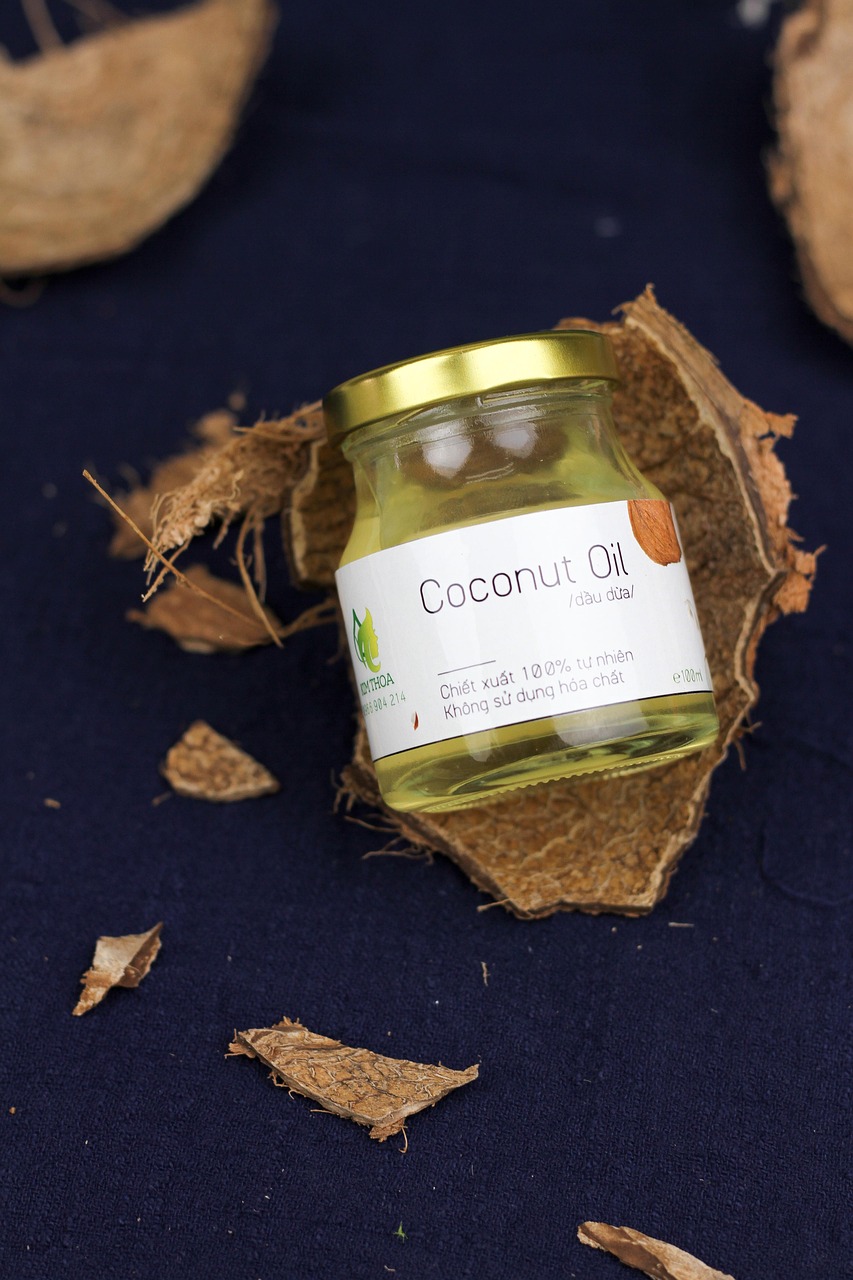
- Fractionated coconut oil: 2 oz (60 ml / approximately 4 tablespoons). Fractionated coconut oil stays liquid at room temperature and absorbs easily, which makes it ideal for this blend. Standard virgin coconut oil works too, but it will be solid below about 76°F (24°C).
- White camphor essential oil: 12 drops (for a 1% dilution) or up to 24 drops (for a 2% dilution). See the dilution guidance below before deciding which concentration to use.
That is genuinely all you need. Two ingredients, one small jar.
Understanding Dilution: The Most Important Part of This Recipe
Camphor essential oil is potent. Using it at too high a concentration on the skin can cause irritation, and some people are sensitive even at standard dilution levels. Getting the ratio right is not optional; it is the foundation of safe cosmetic use.
Here is a quick reference for dilution in a 2 oz (60 ml) carrier oil base:
| Dilution Percentage | Drops of Camphor EO | Recommended Use |
|---|---|---|
| 0.5% | 6 drops | Sensitive skin, first-time users, face-adjacent areas |
| 1% | 12 drops | General body use, most adults |
| 2% | 24 drops | Scalp or foot application, occasional use |
For most first-time blenders, start at 1% and adjust from there once you know how your skin responds. Never exceed a 3% dilution for any leave-on cosmetic product intended for regular use.
Step-by-Step Instructions
- Gather your materials. You will need a small glass measuring cup or beaker, a 2 oz dark glass jar or bottle for storage, a small funnel (optional but helpful), and a label and pen.
- Measure your coconut oil. Pour 2 oz of fractionated coconut oil into your measuring cup. If you are using solid virgin coconut oil, gently warm the jar in a bowl of warm water until it liquefies, then measure. Do not microwave essential oil blends or containers that will hold them.
- Count your camphor drops. Hold the camphor oil bottle vertically and let drops fall slowly into the coconut oil. Count carefully. For a 1% dilution, stop at 12 drops. For a 2% dilution, stop at 24 drops.
- Stir gently. Use a small glass stirring rod or the handle of a clean spoon to stir the blend for about 30 seconds. Essential oils and carrier oils combine easily; no emulsifier is needed.
- Transfer to your storage jar. Pour or funnel the blend into your dark glass jar. Amber or cobalt glass protects the oil from light degradation. Avoid plastic containers, as camphor and other essential oils can degrade certain plastics over time.
- Label immediately. Write the date, the dilution percentage, and the ingredients on your label and affix it before you forget. This is especially important if you plan to store the jar for several months.
Patch Testing: Do This Before Every New Blend
Even if you have used camphor oil before, a patch test is worth doing each time you make a new batch, since concentrations and skin conditions vary.
Apply a small amount of the finished blend to the inside of your elbow or wrist. Leave it uncovered for 24 hours. If you notice any redness, itching, or discomfort, wash the area with soap and water and do not use the blend on larger areas. If there is no reaction after 24 hours, the product is likely suitable for your skin at that concentration.
Safety Warnings and Contraindications
Please read this section fully before using camphor oil in any cosmetic blend.
- Keep away from children. Camphor is not appropriate for use on or near infants and young children. Many professional aromatherapy organizations recommend avoiding camphor entirely for children under 10 years old. Keep all camphor-containing products stored securely out of reach.
- Avoid the face and mucous membranes. Do not apply this blend near the eyes, nose, or mouth. Camphor's vapors are intense and can cause significant discomfort if they come into contact with sensitive facial areas.
- Do not use on broken or damaged skin. This blend is for intact skin only. Avoid applying to any area that is cut, chapped, sunburned, or otherwise compromised.
- Pregnancy and nursing. If you are pregnant or nursing, consult a qualified healthcare provider before using camphor oil in any form.
- Sensitivity and allergy history. If you have a known sensitivity to plants in the Lauraceae family (which includes camphor, cinnamon, and bay laurel), use caution and consult a healthcare professional before proceeding.
- This is a cosmetic product only. The blend described here is intended for aromatic and cosmetic use. It is not a substitute for professional medical care. If you have a skin concern, consult a qualified dermatologist or healthcare provider.
How to Use the Blend
Once your patch test is complete and you are ready to use the blend, a little goes a long way. Camphor oil benefits for skin are best appreciated when the product is applied sparingly rather than generously. Start with a few drops warmed between your palms, then smooth over the target area.
Common cosmetic applications include:
- Body massage oil: Apply a small amount to the upper back, shoulders, or legs after a bath or shower while skin is still slightly warm. The camphor aroma opens up beautifully with gentle warmth.
- Scalp oil: Massage a few drops into the scalp before shampooing. The cool sensation is pleasant during warm-weather months, and many people enjoy the clarifying scent as part of a pre-wash scalp ritual. For more ideas along these lines, see our guide to camphor oil for hair and scalp scenting.
- Foot care ritual: Apply to the soles and heels of the feet and put on cotton socks. Leave on for 20 to 30 minutes, then rinse if preferred. The 2% dilution is particularly well-suited for this use.
- Chest and décolleté: Use sparingly on the chest area (avoiding the neck and face) as part of an evening wind-down ritual. The camphor scent is cool and clarifying, which many people associate with a sense of quiet and stillness before bed.
Storage Instructions and Shelf Life
Store your finished blend in a dark glass jar away from direct sunlight, heat, and humidity. A bedroom drawer or bathroom cabinet that does not get too warm works well. Avoid storing in a spot that fluctuates between hot and cold, such as near a radiator or an exterior wall.
Fractionated coconut oil is highly stable and has a long shelf life on its own. White camphor essential oil is also relatively stable. A well-made batch stored correctly should remain usable for up to 12 months. Check for any change in scent (a sour or rancid smell indicates the carrier oil has oxidized) before each use.
Write the date on your label when you make the blend, and note a discard date 12 months out. When in doubt, make a fresh batch. The recipe takes under 10 minutes.
Variations and Substitutions
Carrier Oil Substitutions
Fractionated coconut oil is the most versatile carrier for this blend, but several others work well depending on your preferences:
- Jojoba oil: Technically a liquid wax, jojoba has an exceptionally long shelf life and a very light texture. It is a good option for those who find coconut oil too rich.
- Sweet almond oil: Slightly heavier than fractionated coconut oil, with a mild nutty scent. Rich in oleic acid, which many people find leaves skin feeling soft. Note: not suitable for those with tree nut sensitivities.
- Grapeseed oil: Very light and nearly scentless, making it a good neutral base if you want the camphor aroma to come through without any competing notes from the carrier.
Adding a Third Ingredient
If you want to build on this basic recipe, a small addition of peppermint essential oil (2 to 4 drops per 2 oz base) deepens the cooling sensation and adds a complementary aromatic layer. Eucalyptus radiata is another option that blends naturally with camphor's woody-cool character.
If you add a second essential oil, recalculate your total essential oil volume to ensure the combined dilution stays within the appropriate range. For example: if you are working at a 1% dilution, the total from all essential oils combined should remain at 12 drops per 2 oz, not 12 drops each.
A Lighter Formula for Warm Months
In summer, a 50/50 blend of fractionated coconut oil and grapeseed oil creates a lighter base that absorbs faster and feels less heavy on warm skin. Use the same camphor drop count as in the original recipe.
Taking the Recipe Further
Once you are comfortable with this basic blend, camphor oil opens up into a surprisingly wide range of home applications beyond skin care. It pairs well with linen and room sprays, wardrobe sachets, and cool-air diffuser blends. If you are curious about those directions, the guide to DIY camphor room and linen spray is a natural next step.
Two ingredients, one small jar, and a scent that has stayed relevant across centuries of cosmetic tradition. This blend rewards the time it takes to make it properly, and once you have the ratio dialed in for your skin, it becomes a genuinely useful addition to a regular care ritual.